
There’s a particular comfort in the idea of sunshine: it arrives with warmth, it brightens the day, and it feels almost ceremonial—like nature itself is handing out a daily blessing. Yet many people notice a twist in the story. The same sunlight that feels restorative may also seem unpredictable, insufficient, or simply difficult to obtain consistently. In that gap—between the desire for daylight and the need to maintain adequate vitamin D—lies the fascination of “the best of both worlds.” Sunlight and vitamin D supplements are not rivals. They can be complementary partners, working together to support what your body needs.

Why Sunshine Feels Like a Direct Path to Health
Sunlight is one of the few environmental forces that people can actually feel in real time. After a morning walk, you may notice improved mood, a more elastic sense of energy, and a calmer mind. This isn’t imagination; daylight influences circadian rhythm and behavioral patterns, which can indirectly affect overall well-being.
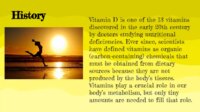
But the deeper mechanism is quietly biochemical. When ultraviolet B (UVB) rays strike the skin, they help trigger the production of vitamin D—an essential nutrient involved in bone health, immune regulation, and more. The allure of sunlight is therefore twofold: it’s both an experience and a signal. It tells your biology, “the world is bright; it’s time to prepare.”
The Common Observation: “I Don’t Get Enough Sunlight”
Many people say the same sentence, in different dialects of concern: I don’t get enough sunlight. It can be true even when you live in a sunny region. Modern routines are less forgiving. Office days, indoor hobbies, weather changes, heavy sunscreen use, higher latitude seasons, and even sun-avoidant habits for skin safety can all reduce UVB exposure.
There’s also the reality of lifestyle fragmentation. Some days you’re indoors when the UVB signal is strongest; other days you may go outside but cover up with clothing, tinted windows, or a protective hat. And then there’s pigmentation and skin type. Melanin can act like a natural filter, reducing UVB penetration. The result is often an uncomfortable uncertainty: you want the benefits, but your body may not receive enough of the right kind of light.
Vitamin D Supplements: The Practical Bridge
Vitamin D supplements function like a steady logistical system. They don’t depend on weather, scheduling, or the availability of “peak sun.” Instead, they provide vitamin D in a consistent dose, helping many people close the gap when UVB exposure is limited.
It’s important to appreciate the elegance of this solution. Your body doesn’t need sunlight every minute of the day to maintain vitamin D status. It needs sufficient stores over time. Supplements can be used to support those stores—especially for individuals who are elderly, have limited sun exposure, follow a diet that doesn’t include enough vitamin D, or have conditions that affect absorption.
Thinking Beyond the Hype: Why the “Fascination” Makes Sense
People aren’t simply chasing a trend. They’re responding to a deeper fascination: the desire for control in a world where biology is partly environmental. Vitamin D sits at a crossroads—between atmosphere and metabolism. That connection sparks curiosity because it feels like a tangible lever. You can step outside. You can take a supplement. You can adjust.
Yet fascination becomes valuable only when it’s grounded in nuance. Sunshine exposure has trade-offs; supplements have dosing considerations. The “best of both worlds” idea is compelling because it suggests balance rather than extremes.
Sunlight vs. Supplements: Not an Either–Or Choice
Sunlight is a natural input, but it’s variable. Supplements are a controlled input, but they aren’t a substitute for every aspect of daylight’s influence. Think of sunlight as a multifaceted experience that includes mood, circadian alignment, and behavioral activation. Supplements, meanwhile, are precision tools that target vitamin D status.
When used together, they can address both the experiential and the nutritional dimensions. One supports the body’s seasonal rhythms and daily habits. The other supports biochemical adequacy. Together, they reduce the risk of underexposure and underestimation.
The Subtle Role of Timing, Skin Coverage, and Environment
Even when sunlight is available, the “delivery system” depends on variables. UVB strength changes with latitude, season, cloud cover, and time of day. Glass windows often filter UVB. Sunscreen—while essential for skin protection—can also reduce vitamin D synthesis. Clothing coverage further limits UVB access.
Therefore, consistent vitamin D may require more deliberate sunlight exposure than people assume. This doesn’t mean abandoning sun safety. Rather, it means recognizing that “being in the sun” isn’t the same as receiving adequate UVB.

Dosage Considerations and the Importance of Individualization
Supplements are most effective when they match the person. Some individuals have consistently high vitamin D levels from diet, regular sun, or genetic factors. Others need additional support due to lifestyle, skin type, or physiological differences. Over-enthusiastic dosing can become counterproductive.
In practice, many people benefit from starting with evidence-based guidance—often through vitamin D testing and consultation with a qualified healthcare professional. Testing helps clarify whether supplementation is necessary and how much is appropriate. It also helps avoid the common error of guessing, where symptoms are used as proxies for nutrient status.
How to Combine Both Approaches Without Overthinking
A balanced strategy can be remarkably simple. Consider sunlight exposure as a routine and supplements as an insurance policy. You might spend time outdoors regularly—within safe limits—while using vitamin D supplements to stabilize intake during low-sun seasons or for days when outdoor time is limited.
This approach can feel less like a calculation and more like a rhythm. Short and long sentences both matter here: small habits accumulate. The body responds to consistency, not sporadic heroism.
Safety, Skin Protection, and a Smarter Relationship With Sun
The fascination with sunlight must coexist with skin safety. Sunburn is not a victory. It’s a warning flare. Protective behaviors—like seeking shade, wearing hats, using sunscreen, and avoiding peak exposure when necessary—remain important.
Vitamin D support doesn’t require reckless exposure. Instead, it calls for a respectful relationship with daylight: enough to support healthy rhythms, without turning skin into a battleground.
Signs of Inadequacy and When to Seek Guidance
Low vitamin D can present subtly. Fatigue, musculoskeletal discomfort, reduced exercise tolerance, and mood changes are sometimes associated with deficiency, though they are not exclusive to it. Because these symptoms overlap with many conditions, self-diagnosis can mislead.
When concern is persistent—especially in people with higher risk factors—testing and professional advice can cut through ambiguity. This is where the “best of both worlds” mindset becomes practical: use sunlight where possible, supplement when needed, and verify with appropriate assessment.
The Long View: Building Resilience Through Balance
Sunlight and vitamin D supplements share a common aim: to support the body’s capacity to thrive. The deeper reason the idea is so compelling is that it honors how real life works. Weather changes. Schedules shift. Seasons arrive and disappear. Your body still needs stability.
When sunlight and supplementation operate in tandem, the result can be steadier bone support, more reliable immune function, and a sense of personal agency. Not control over nature—control over consistency. That’s the quiet magic of the best of both worlds.