
For an obese body, the question of “Should I rely on sunlight or supplements?” can feel like standing before two doors painted the same color—both promise transformation, yet neither guarantees the ending you imagine. Sunlight arrives like a seasonal storyteller, quiet but persistent. Supplements arrive like a well-labeled toolbox, precise and convenient. The truth is not a simple choice; it is a choreography between biology, behavior, and context. Like a ship that needs both wind and compass, obese individuals benefit from understanding how natural light and targeted nutrients each steer different parts of metabolism, mood, and long-term health.

The Sun as a Metabolic Conductor: How Light Influences the Body
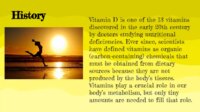
Sunlight is not merely illumination; it is an environmental signal that organisms evolved to interpret. When ultraviolet B (UVB) reaches the skin, the body can produce vitamin D—an ingredient often associated with bone health, but far more relevant than that. Vitamin D participates in calcium regulation, immune modulation, and cellular signaling pathways that interact with energy balance. In metabolic terms, sunlight can be thought of as a “metabolic conductor,” helping coordinate diverse biological musicians—hormonal messengers, inflammatory cues, and skeletal integrity—so they don’t play out of time.
For obese individuals, there is an additional complication: vitamin D can be sequestered in adipose tissue. Imagine a lamp whose light is absorbed by thick curtains. The lamp still glows, but less illumination reaches the room. That doesn’t mean sunlight is futile. It means sunlight may need to be paired with smart strategies—consistent exposure, safe habits, and realistic expectations about blood levels.
There is also the psychological dimension. Sunlight can elevate mood and support circadian rhythm stability. A steadier circadian clock can improve sleep quality, appetite regulation, and insulin sensitivity. Even when the nutrient outcome is modest, the behavioral downstream effects can be meaningful.

Supplements as Precision Tools: When Convenience Becomes Clinically Useful
Supplements are often treated as a shortcut, but in healthcare reality they can be a form of precision. If a deficiency exists—or if lifestyle circumstances make adequate sunlight unlikely—supplementation can be a reliable method to restore equilibrium. Think of supplements as “architectural scaffolding.” They do not replace the whole building, but they help a structure rise safely when conditions are unstable.
Obesity frequently correlates with lower vitamin D status, due to increased storage capacity in fat tissue, less skin exposure (sometimes for practical or cultural reasons), and variability in dietary patterns. In these cases, supplements may help bridge the gap between physiological need and real-world absorption.
Yet supplements are not a universal solvent. They work best when they are targeted: an evidence-informed dose, guided by lab testing and clinical context. Over-supplementation can carry risks—especially with fat-soluble vitamins—so the ethical approach is not “more,” but “enough.”
There is also the issue of nutrient synergy. Many obese individuals may not only struggle with vitamin D, but also with related nutrients such as calcium, vitamin K, magnesium, and protein adequacy. Supplementation can become most effective when it is integrated into a broader nutritional framework rather than treated as a standalone ritual.
Sunlight vs. Supplements: A False Binary That Obscures the Real Question
The sunlight-or-supplement debate often becomes tribal: one camp prefers nature, the other prefers measurement. But the body is not sentimental; it is conditional. It responds to dosing, timing, absorption, and consistent patterns. The real question is less “which is better” and more “which pathway best fits your constraints while protecting your long-term physiology.”
Sunlight and supplements can function like complementary lenses. Sunlight provides a more holistic environmental stimulus—light exposure affecting circadian biology, possibly influencing behavior and adherence to healthier routines. Supplements provide the controllable nutrient input that can correct measurable deficits. One sets the atmosphere; the other supplies the missing brick.
In other words, the decision should be strategic. If sunlight exposure is feasible and safe, it may contribute to overall well-being. If deficiency is confirmed—or if exposure is limited due to skin pigmentation, climate, mobility limitations, or work schedules—supplements may be a more direct route to biological correction.
Safety First: The Health Tradeoffs No One Can Ignore
Sunlight is both ally and potential hazard. For obese individuals, concerns can include reduced mobility (leading to prolonged exposure in limited settings), medication interactions that may increase photosensitivity, and personal skin cancer risk factors. Dermatologic wisdom matters here: sunscreen, protective clothing, and sensible timing can reduce harm.
Supplements also require a safety lens. Vitamin D dosing should ideally be anchored to blood tests such as 25(OH)D. If calcium intake is low, supplement plans may need coordination to prevent skeletal strain or imbalance. Moreover, individuals with kidney disease or granulomatous disorders must be especially cautious and follow clinician guidance.
Safety is not a mood; it is a system. It includes the right intensity, the right duration, and the right monitoring cadence.
Metabolic and Inflammatory Crosscurrents: What Obesity Changes
Obesity is more than excess weight—it can reshape inflammatory tone and alter hormone signaling. Chronic low-grade inflammation may influence how nutrients are utilized. Vitamin D is often discussed for immune regulation, but the relationship is not a single switch. Think of it as a dimmer rather than a light switch: it can adjust how intensely inflammatory signaling escalates.
Additionally, insulin resistance—common in obesity—creates a metabolic climate where regular circadian rhythm and micronutrient adequacy are both important. Sunlight can indirectly support metabolic rhythm through sleep and activity patterns. Supplements can address a specific nutrient shortage that might otherwise leave the system working under a constant handicap.
This is why the healthiest approach tends to be hybrid: optimize daily routines and correct deficiencies. No single lever controls the whole machine.
Behavioral Adherence: The Hidden Determinant of Results
Even the most “correct” plan fails if it cannot survive real life. Sunlight-based strategies require time outdoors, skin exposure considerations, and seasonal adaptability. Supplements require remembering doses and accepting that results can be gradual.
In obese individuals, adherence can be affected by mobility constraints, fatigue patterns, and social factors. For someone with limited outdoor time, sunlight might be a thin thread. In that case, supplements could provide a sturdier strand—one that is easier to maintain consistently.
Conversely, for someone who enjoys outdoor activity and can safely manage exposure, sunlight may act as both nutrient contributor and motivational amplifier. The best plan is the one that can be repeated without drama.
Choosing a Path: A Narrative Framework for Personal Decision-Making
A practical approach begins with clarity. Start by asking: Are you deficient, insufficient, or merely unsure? Blood testing can convert uncertainty into a map. Then consider exposure feasibility. If you can safely get sunlight—especially during seasons when UVB is available—incorporating it can support both nutrient status and circadian health.
If sunlight access is inconsistent, or if labs show low vitamin D, supplements may be the more reliable scaffold. The most appealing strategy is often “sunlight plus targeted supplementation,” guided by clinician advice and periodic monitoring.
Finally, align your plan with nutrition quality. Obese individuals benefit when the nutrient conversation is paired with protein sufficiency, fiber-rich foods, and consistent meal patterns. The body responds to a symphony, not a solo.
The Unique Appeal of Each Option: Two Complementary Whispers
Sunlight’s appeal is its breadth. It touches mood, rhythm, and the gentle biology of daytime. It feels like a daily whisper: you are part of the world’s cycle. Supplements’ appeal is their specificity. They offer measurable correction when the environment cannot provide what the body needs.
When combined thoughtfully, they can form a more persuasive narrative than either alone. Sunlight becomes the atmosphere; supplements become the calibrated remedy. The obese body, often treated as a stubborn puzzle, can instead be approached as a dynamic system—one that thrives on both natural signals and carefully measured support.
Conclusion: Aim for Balance, Not Dogma
Relying on sunlight or supplements for vitamin D and related health outcomes is not a competition. It is a partnership. Sunlight can support circadian integrity and help the body manufacture essential nutrients, while supplements can correct deficiencies with precision when exposure is limited or biologically insufficient. For obese individuals, the most compelling strategy usually blends both: practical sunlight habits where safe, coupled with targeted supplementation when labs and medical guidance indicate a need.
In the end, the body is not choosing between the sun and a pill. It is choosing consistency, adequacy, and safety—day after day, with a plan that can actually be lived.