Have you ever wondered what happens when your vitamin D capsule shows up to the party… but your meal forgot to bring the “fat plus” invitation? It’s a playful question with a serious undertone: if vitamin D is taken without fat, will it still do its job, or will it simply pass through like an awkward uninvited guest?
Here’s the challenge: vitamin D is a fat-soluble nutrient, meaning it tends to hitch a ride in lipid pathways. So taking it on an empty stomach—or alongside a truly low-fat meal—may reduce absorption, and reduced absorption may translate into smaller increases in blood levels. Yet the story isn’t purely doom-and-gloom. The human body has contingencies. It’s adaptable, opportunistic, and occasionally forgiving.
Vitamin D: A fat-soluble hitchhiker
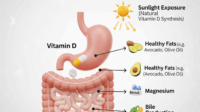
Vitamin D behaves differently from water-soluble vitamins like vitamin C. Instead of dissolving freely and traveling through watery environments, it prefers the company of fats. After you swallow a D dose, your digestion needs to manufacture the right conditions for absorption. Bile salts, which are involved in fat digestion, help emulsify lipids and assist in the uptake of fat-soluble compounds.
So, imagine vitamin D as a small traveler trying to enter a city gate. With fat present, the gates swing open more easily. Without fat, the gates may still open—but perhaps not as wide, or not for as long. The result can be a less efficient “entry,” meaning less vitamin D reaches the bloodstream.
What studies often measure: blood levels and kinetics
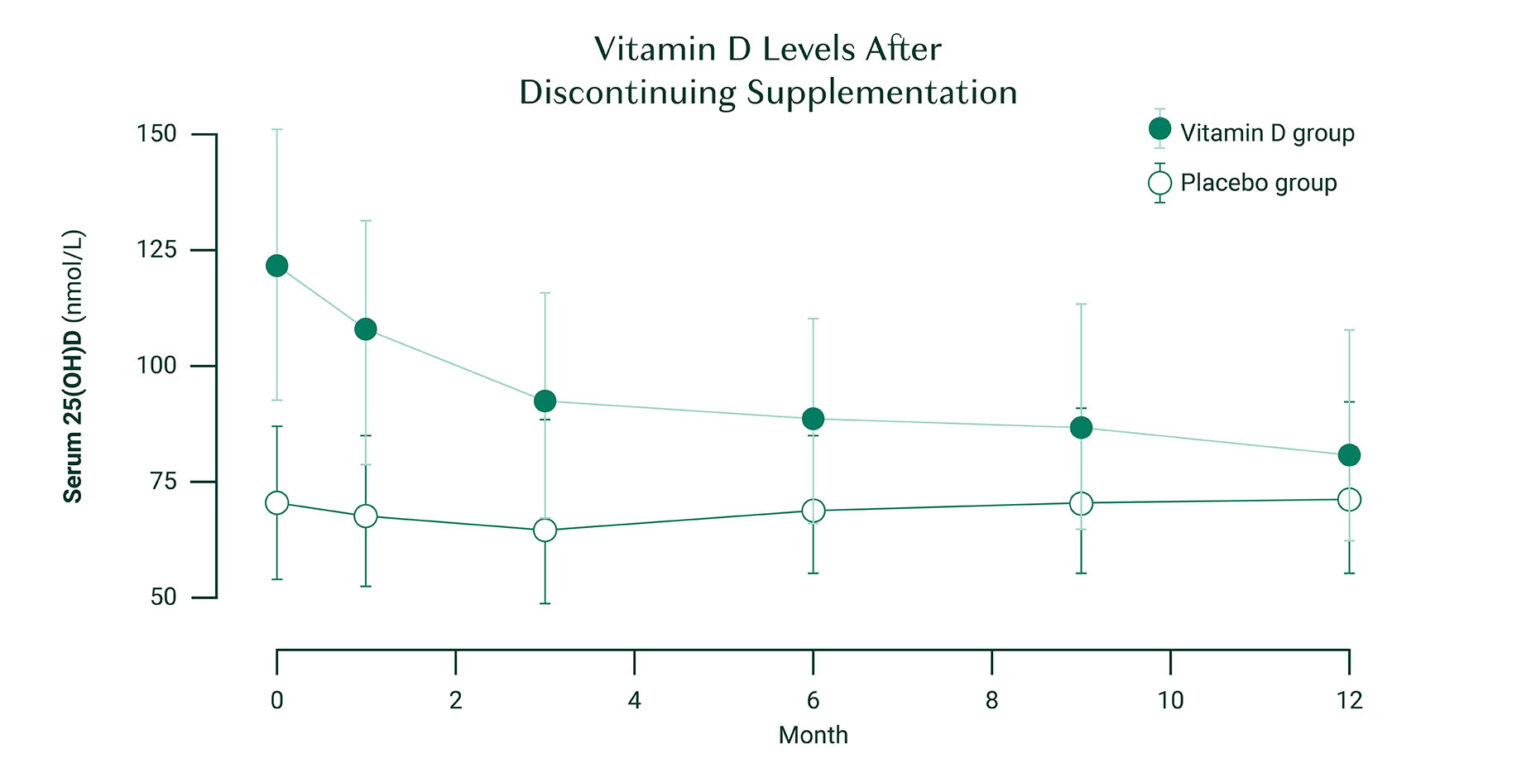
When researchers explore this question, they typically focus on outcomes like changes in serum 25-hydroxyvitamin D—the main circulating marker used to estimate vitamin D status. This isn’t instant fireworks. Vitamin D changes tend to unfold over weeks, because the body must absorb the dose, then distribute it, then reflect it in circulating levels.
In practical terms, studies compare vitamin D taken with food versus vitamin D taken without adequate dietary fat. The pattern that emerges is frequently consistent: absorption and serum rise can be blunted without fat, though not always to the point of meaninglessness.
And yes—this is where the plot thickens. “Without fat” doesn’t always mean “zero absorption.” Digestion is a chaotic orchestra. Even “low-fat” meals may contain small amounts of lipids, and the body still processes nutrients dynamically.
Do you lose the entire benefit when fat is absent?
Not necessarily. Even if absorption is reduced, some vitamin D may still get through via alternative routes. The intestine is not a rigid door; it’s more like a busy transit hub with multiple mechanisms. Factors such as gut health, baseline vitamin D status, body composition, and the specific formulation of the supplement can influence how much is absorbed.
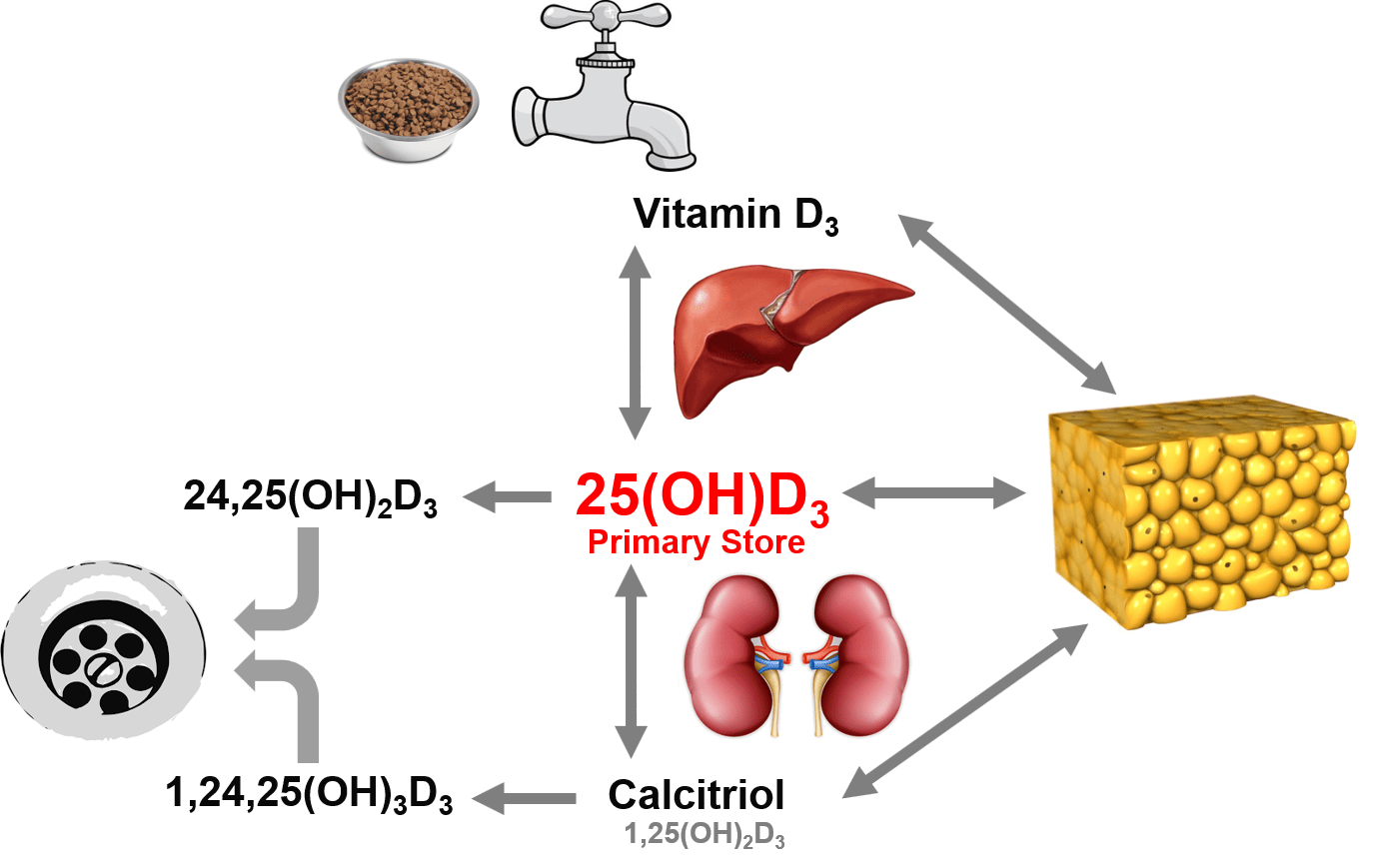
Another nuance: vitamin D is stored in fat tissue and mobilized over time. That means the body may still accumulate some vitamin D even if each dose is less efficiently absorbed. Over repeated dosing, those increments can add up.
Still, if your goal is maximal improvement—particularly if you’re deficient—taking vitamin D without fat may feel like running on a treadmill set to “low power mode.” The movement happens, but the effort-to-result ratio can change.
Magnitude matters: smaller rises vs. meaningful correction
Here’s the critical distinction. “Reduced absorption” does not automatically mean “no improvement.” In many study contexts, the question is: How much does serum vitamin D increase?
With fat present, increases often appear larger and sometimes faster. Without fat, the rise can be smaller. Yet smaller isn’t the same as flat. If someone is starting with very low levels, even reduced absorption might still support a clinically relevant correction when dosing continues consistently.
But if someone is already near an adequate range, reduced absorption could matter more. In that scenario, the body may hover below the target because the marginal dose isn’t enough to compensate for slower uptake.
Baseline vitamin D status changes the story
Vitamin D status before supplementation is like your starting altitude. Someone who is deficient has more “room to climb.” Their body may respond robustly even under suboptimal absorption conditions. Someone who is already sufficient might not experience the same dramatic movement.
Additionally, deficiency can change physiology—gut absorption efficiencies, storage dynamics, and hormonal signaling. So the “no fat” effect may appear more pronounced in some groups than others.
Translation: your experience may depend on where you started, not just what you took.
Supplement formulation: the hidden variable
Not all vitamin D is created equal. The supplement form can influence bioavailability. Some products are engineered for improved absorption, sometimes using carriers or specific chemical forms that behave differently in the digestive tract.
There can also be differences between vitamin D2 and D3 in terms of how the body processes them, which means the same “fat-free” circumstance might not yield identical results across formulations.
If you’ve ever tried different brands of supplements and noticed inconsistent results, this is one reason why. It’s not “placebo”; it’s chemistry and logistics.
The meal context: fat quantity, not just presence
“Without fat” is an oversimplification. Real life is messier than a lab tray. Fat content varies widely—from a handful of nuts to a drizzle of olive oil to a full meal with fat coming in multiple waves.
Even within the same category, timing matters. Taking vitamin D with a meal that contains some fat may enhance absorption compared with taking it between meals or with a bland, low-lipid snack.
If you want a simple strategy, think in terms of alignment: take vitamin D alongside the meal when your digestive system is already actively processing lipids. That coordination can improve the chances that vitamin D is escorted into the bloodstream efficiently.
Safety considerations: higher doesn’t always mean better
Because vitamin D is fat-soluble, excessive dosing can accumulate. The goal isn’t to “fight back” against low absorption by dramatically increasing the dose unless it’s appropriate for your situation and guided by evidence-based targets.
Over time, too much vitamin D can contribute to issues such as elevated calcium levels. That’s why testing matters—especially if you’re experimenting with timing or taking higher doses.
Consider this a built-in plot safeguard: if you change how you take vitamin D, monitor outcomes rather than escalating blindly.
So… what should you do?
Let’s return to the playful question: what happens if you take vitamin D without fat? Often, absorption is reduced. The body still may absorb some, but the increase in blood levels can be smaller compared with taking vitamin D with a meal that includes dietary fat.
A practical challenge—and a solution—is to treat your supplement routine like an experiment. Try pairing vitamin D with a meal that contains a modest amount of healthy fat, keep the dose consistent, and consider checking serum 25-hydroxyvitamin D after an appropriate interval. This helps confirm whether your strategy produces the expected biochemical “plot twist.”

A final twist: consistency beats theatrics
Instead of stressing about a single dose taken without fat, focus on the broader pattern. Consistency, appropriate dosing, and meal alignment generally outperform frantic timing tweaks. Vitamin D isn’t a one-act play; it’s a long-running series. When taken regularly, the body can adapt and gradually improve status—even if some doses aren’t perfectly optimized.
So if fat-free timing is your only option right now, don’t assume the benefit is erased. But if you want maximal efficiency, invite the fats to the table. Your vitamin D may respond as though the party finally has the right soundtrack.