In later life, the body often feels like a library whose doors open more slowly—still full of knowledge, yet less quick to correct mistakes. Vitamin D is one of those “quiet caretakers,” guiding bones, muscles, and immune rhythm. But in the elderly, the margin between helpful and harmful can narrow. When vitamin D accumulates beyond what the body can comfortably buffer, toxicity may take root, almost like a careful garden suddenly overwatered—vital life turning into troublesome excess.
Why the Elderly Become More Sensitive
Age changes the way vitamin D is processed, stored, and released. The elderly often experience a subtle shift in physiology: kidneys may clear metabolites more slowly, the gut may absorb nutrients differently, and body composition changes can alter how fat-soluble substances distribute. Vitamin D is fat-soluble, meaning it doesn’t simply pass through like water in a river. It can linger, gathering over time, especially when doses are repeatedly increased—sometimes with good intentions.
Think of vitamin D as a seasoning in a long-simmering stew. Early on, taste corrections are easy. But after years—after many “refills”—the stew may become too salty. Toxicity is rarely dramatic in the beginning. It more often arrives as a gradual change in how the body feels and functions: fatigue, appetite shifts, and faint but persistent unsteadiness. The elderly, already navigating balance and chronic disease, may interpret these signals as “just getting older,” delaying recognition.
The Mechanism of Harm: Calcium Becomes the Main Character
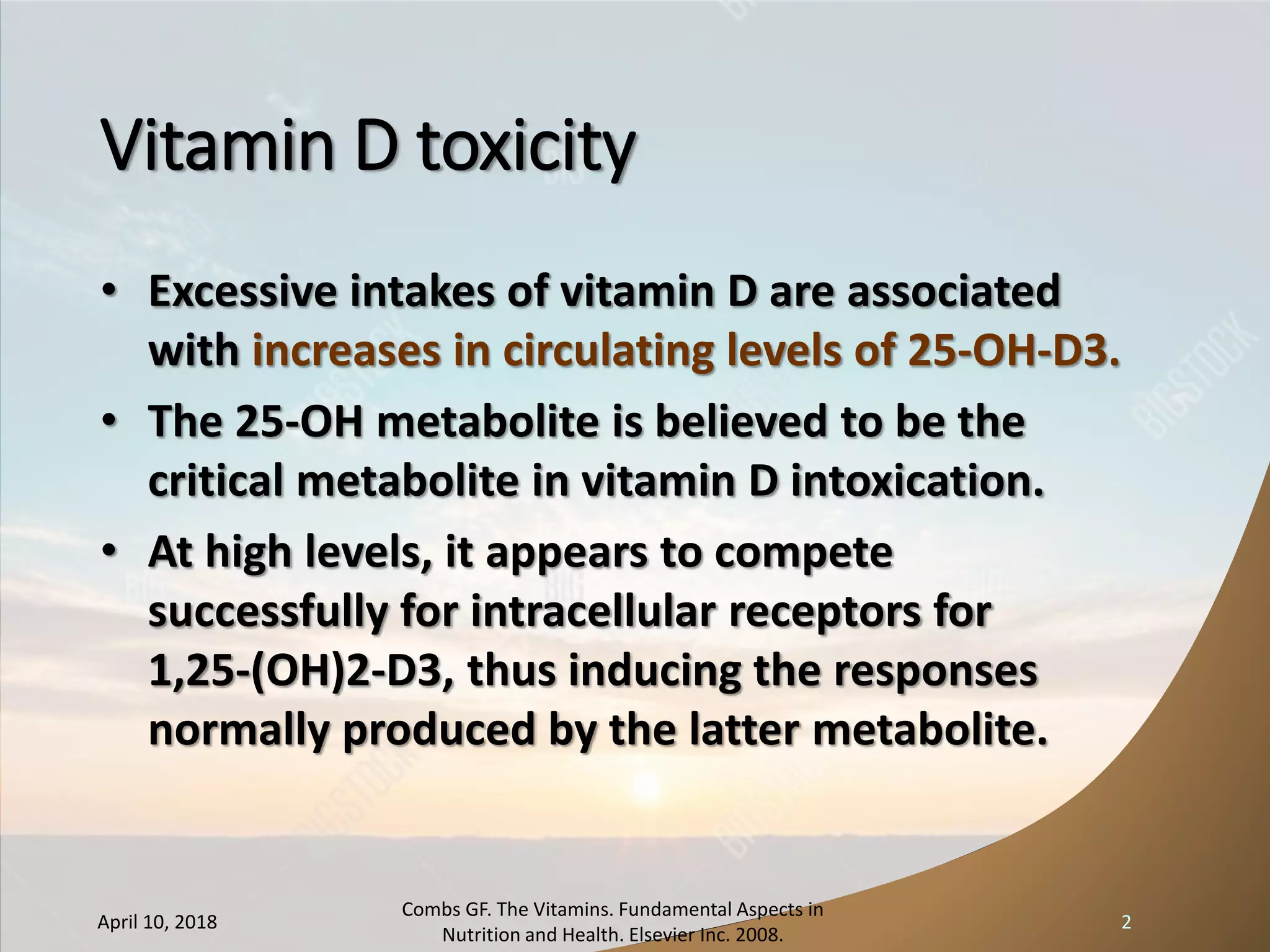
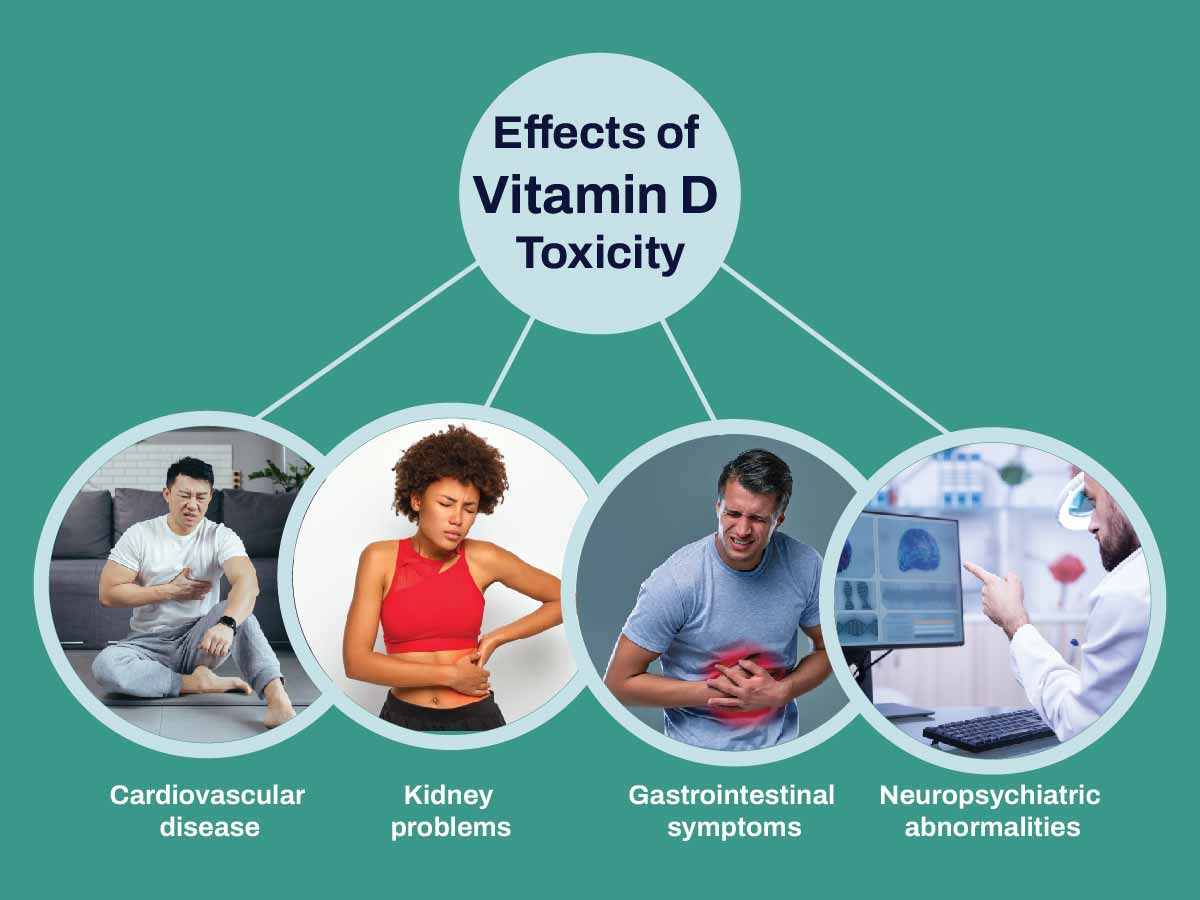
Vitamin D’s core job is to orchestrate calcium absorption. In healthy quantities, it helps keep bones mineralized and muscles responsive. In toxicity, however, the process turns from choreography into chaos. Elevated vitamin D can drive calcium upward—hypercalcemia—leading to a cascade of effects across multiple organs.
Calcium isn’t merely structural. It’s an electrical messenger and cellular regulator. Too much calcium can interfere with neural conduction, smooth muscle function, and kidney handling of fluids. The body may respond with gastrointestinal discomfort, decreased appetite, constipation, and nausea. Meanwhile, the kidneys may struggle to filter the excess—potentially fostering dehydration and kidney injury. The result can feel like the body is simultaneously thirsty and sluggish, as if every system is running on an off-kilter timetable.
Common Risk Factors: When Supplement Choices Converge
Toxicity tends to appear when several risk factors align. One of the most frequent contributors is high-dose supplementation—whether daily, weekly, or “loading” regimens prescribed or self-initiated. Another risk is prolonged use without rechecking blood levels. Vitamin D intake is often added from multiple sources: a standard supplement, a multivitamin, fortified foods, and occasional high-strength tablets. Overlap is easy to miss because each product looks harmless on its own.
Chronic kidney disease, certain medications, and disorders affecting calcium metabolism can also tilt the balance. Some people take vitamin D to counter bone fragility; others take it for mood or general wellness; still others accept it as a routine winter precaution. The elderly may also have variable mobility, different dietary patterns, and changing sun exposure—making lab monitoring particularly important.
Symptoms That Imitate Aging
Early signs of vitamin D toxicity can masquerade as ordinary aging or as symptoms of existing conditions. This “symptom camouflage” can lead to delays in evaluation. People may experience fatigue that feels out of proportion, weakness, increased thirst, frequent urination, confusion, and constipation. In more severe cases, lethargy and altered mental status can emerge.
Bone discomfort may also appear, though it is often less straightforward than expected. Some individuals experience muscle aches or reduced mobility, not because the bones are suddenly deteriorating, but because calcium imbalance alters muscle performance and nerve signaling.
Because these symptoms overlap with dehydration, medication side effects, urinary issues, and metabolic disorders, the clinical picture requires careful interpretation. A history of vitamin D intake should be treated as a key that can unlock the correct diagnosis.
Diagnostic Clarity: What Clinicians Typically Check
Diagnosis is rarely based on symptoms alone. Clinicians generally look for biochemical evidence of excess—especially elevated serum calcium and elevated 25-hydroxyvitamin D levels. They may also assess kidney function, electrolyte balance, and related markers that help distinguish vitamin D toxicity from other causes of hypercalcemia.
This step matters because hypercalcemia has multiple origins—some benign, some urgent. The elderly are particularly vulnerable to dehydration and renal complications, so timely lab assessment can prevent a small imbalance from turning into a cascade.
Beyond numbers, clinicians consider patterns: the time course of supplementation, changes in dose, symptoms that started after increased intake, and any concurrent supplements or medications that affect calcium.
Why Timing and Dose Matter More Than People Expect
Vitamin D toxicity is often a story of accumulation rather than accident. A single very large dose can contribute, but repeated supratherapeutic intake is a common route—especially when blood levels are never remeasured. The body may store vitamin D in fat tissue and release it gradually, extending the risk period even after supplementation stops.
Another subtlety is inter-individual variability. Two elderly adults can take the “same” dose and experience different blood levels due to differences in absorption, comorbidities, body composition, and baseline vitamin D status. This is why “one-size-fits-all” dosing can be perilous for older populations.
Complications: From Dehydration to Kidney Stress
Hypercalcemia can pull water out of cells and increase urinary calcium excretion, leading to dehydration. Dehydration in the elderly is not a minor inconvenience. It can worsen blood pressure control, strain cognition, and aggravate existing kidney issues. When the kidneys are already working under stress, excess calcium may amplify the problem.
In more serious scenarios, kidney injury can occur. The term “catastrophic” is often reserved for dramatic events, yet toxicity can be quietly consequential. The harm can unfold over days to weeks—confusing at first, then undeniable.
Cardiac rhythm and vascular tone can also be affected by electrolyte changes. While not every case advances to that level, the possibility reinforces why clinicians treat vitamin D toxicity as more than a vitamin problem.
Prevention Through Precision: Safer Supplement Strategies
Prevention is where the story becomes hopeful. The key is precision—knowing baseline vitamin D status and tailoring dosing accordingly. For many elderly individuals, periodic lab monitoring (as guided by clinicians) can reduce uncertainty. Instead of escalating doses “just in case,” targeted supplementation can avoid overshooting.
It helps to treat vitamin D intake like a combined account balance. Multivitamins may contain vitamin D, fortified products may add more, and additional supplements can stack without obvious warning. Keeping a medication and supplement inventory can reveal hidden totals.
Sun exposure is sometimes discussed, but in older adults it may vary widely due to mobility, skin sensitivity, and lifestyle. Therefore, relying solely on sunlight may not be enough—and may cause people to compensate with higher supplementation, increasing risk.
What to Do If Toxicity Is Suspected
If vitamin D toxicity is suspected—especially in an elderly person with relevant symptoms and a history of high-dose supplementation—prompt medical evaluation is essential. The goal is to confirm biochemical abnormalities and prevent dehydration or kidney complications. Clinicians may recommend stopping vitamin D supplements and addressing elevated calcium through appropriate interventions.
Treatment plans depend on severity. Hydration and supportive care are often central, and medications may be considered to manage calcium levels. The elderly may require particular caution because they are more prone to side effects from aggressive fluid shifts or medication changes.
Importantly, “natural” remedies should not be used as stand-ins for evaluation. The body’s chemistry is not a mood to be improvised; it is a system requiring measured correction.
Living With Balance: Restoring the Body’s Rhythm
Recovery from vitamin D toxicity is typically about returning the internal environment to equilibrium. Once supplementation is stopped and levels stabilize, many symptoms improve. Yet the aftermath may require reassessment of bone health strategy, supplement necessity, and long-term monitoring.
This is where the metaphor deepens: the body is not a static machine. It is a living orchestra. Vitamin D is not the conductor alone—it is part of a section. When calcium becomes over-amplified, the music becomes discordant. But with careful tuning—through correct dosing, monitoring, and medical guidance—harmony returns.
For elderly adults and caregivers, the most intriguing appeal of prevention is empowerment. A few thoughtful steps—reviewing total intake, verifying lab results, and respecting individualized dosing—can transform vitamin D from a hidden hazard into a reliable ally for bones and resilience.