Vitamin D deficiency can arrive quietly—sometimes without drama, sometimes without symptoms—yet it can nudge the body toward fatigue, weaker bones, and a less resilient immune response. In the United States, where sunlight exposure varies by latitude, lifestyle, skin tone, season, and sunscreen habits, fortified foods have become a practical, day-to-day strategy. They turn an invisible nutrient gap into something measurable, predictable, and—most importantly—accessible. What follows is a guided tour through the types of fortified foods readers will encounter, the reasons fortification matters, and how to use these products wisely.
Why Vitamin D Deficiency Persists in the U.S.
Even in a country known for abundant food options, Vitamin D can be surprisingly inconsistent. Natural dietary Vitamin D is limited, and many people do not synthesize enough through skin exposure. Seasonal shifts can reduce ultraviolet B (UVB) availability, and modern routines often keep us indoors for much of the day. Meanwhile, cultural and personal preferences—such as darker pigmentation, full-coverage clothing, or higher sunscreen use—can further reduce cutaneous production.
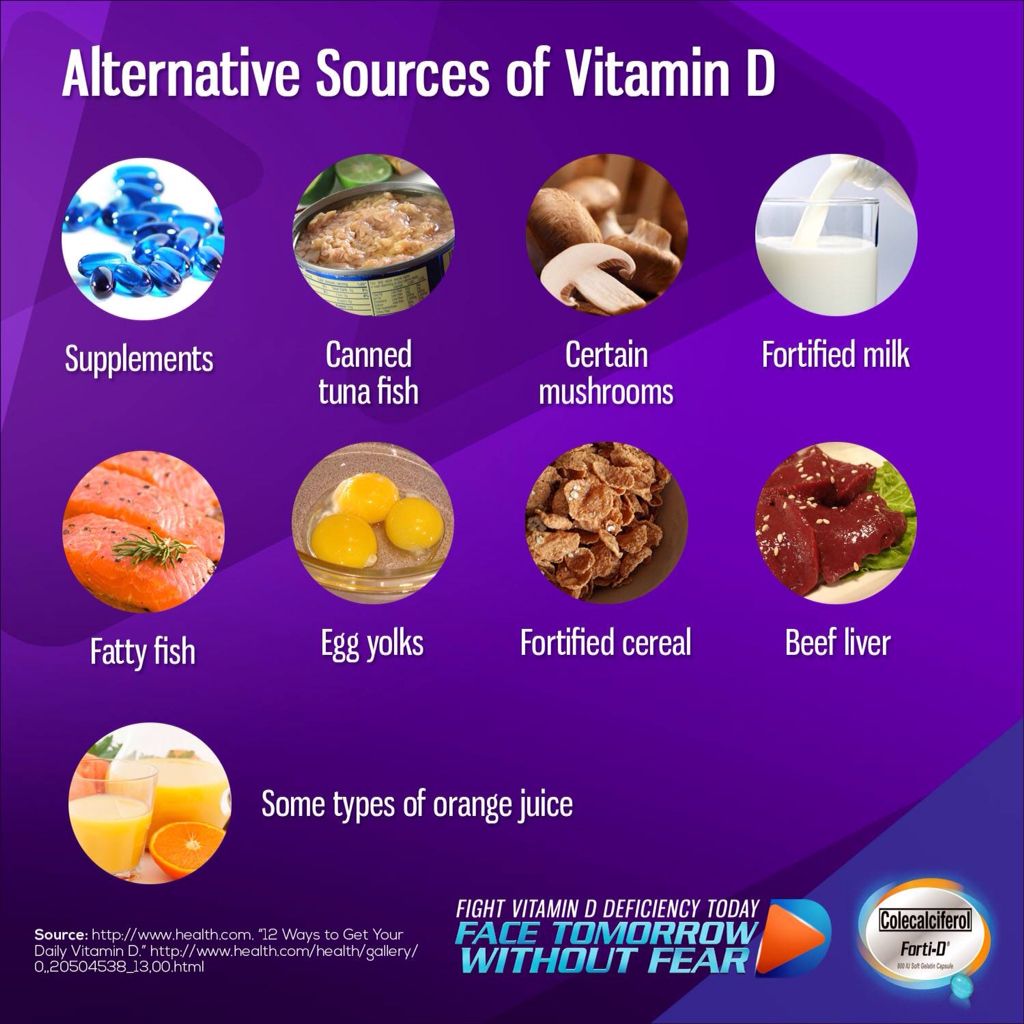
Diet then becomes the lever. But relying solely on a small set of natural food sources—like fatty fish or fortified dairy—creates uneven coverage. Fortification offers a kind of nutritional infrastructure: it disperses Vitamin D across commonly eaten staples, allowing intake to be steadier across households, budgets, and meal patterns.
What “Fortified Foods” Really Mean
Fortified foods are products to which Vitamin D has been added during processing. The nutrient is incorporated in a controlled manner, usually at levels intended to contribute meaningfully to daily intake. The important nuance is that “fortified” does not always mean “high.” Some items provide a modest amount per serving; others function as primary carriers of Vitamin D for a given diet.
Readers can expect to see fortification appear on labels, often near other nutrient listings like calcium, protein, or vitamin content. The amount may be expressed as International Units (IU) and can vary by brand, serving size, and manufacturing updates over time. Because of this, the most effective approach is label fluency—not guesswork.
Milk and Dairy Alternatives: The Everyday Vitamin D Channel
Dairy has long been a major delivery system for Vitamin D in the U.S., particularly through fortified milk. For many families, milk is not an occasional food; it’s a routine. That regularity matters. It means the nutrient shows up consistently—at breakfast, in coffee, in cooking, and in snacks.
For readers who avoid dairy, fortified alternatives can be equally relevant. Fortified plant milks—such as soy, almond, oat, and others—can carry added Vitamin D alongside calcium. The key is to verify the nutrient profile, because not all versions are fortified. Some products are simply flavored beverages, while others are designed as nutritional substitutes.
When shopping, it helps to check both Vitamin D and calcium. Vitamin D supports calcium absorption, so pairing is not accidental—it’s biochemical harmony. A label that highlights both nutrients can signal a more coherent nutritional strategy.
Fortified Yogurt, Cheese, and Other Dairy-Based Options
Beyond milk, Vitamin D can appear in fortified yogurt products, certain cheese preparations, and other dairy categories. These foods often deliver Vitamin D in smaller increments than milk, but they may still meaningfully contribute—especially for people who consume them frequently.
Yogurt is particularly interesting because it straddles multiple benefits: it can be a protein source and a gut-friendly option for many people. When fortification is present, the nutrient conversation becomes more than “bones,” it becomes “metabolism + micronutrients + daily routine.” For readers, the takeaway is simple: fortification can appear across dairy formats, not just in one familiar glass.
Fortified Cereals and Breakfast Foods: Nutrient Timing Through Habits
Breakfast is where habits harden. Fortified cereals and ready-to-eat grains can serve as a Vitamin D bridge, especially for families that start the day with cereal, granola, or oatmeal blends. Because breakfast is consumed daily, even moderate Vitamin D additions can stack over time.
Readers can expect two themes in this area: variability and strategy. Many cereals are fortified with a suite of vitamins and minerals, but the Vitamin D amount can differ sharply between brands. A “healthy” label does not guarantee adequate Vitamin D; some cereals are fortified lightly, while others provide a more substantial dose.
Look for the nutrient panel and calculate whether the serving you actually eat provides a meaningful share of your target intake. Consider pairing with fortified milk or fortified yogurt to create a two-step intake pathway.
Fortified Orange Juice and Beverage Strategies
Fortified beverages extend the Vitamin D story beyond dairy and grains. Some orange juices and vitamin-enhanced drinks are fortified with Vitamin D, offering an alternative for people who prefer not to consume milk. This can be especially useful for those who find dairy difficult due to lactose intolerance or personal choice.
However, beverage fortification requires mindful attention to sugar content. Vitamin D may be present, but the overall nutritional trade-offs still matter. Readers can expect product comparisons—both for Vitamin D content and for added sugars—because a nutrient solution should not quietly become a calorie problem.
Fortified Fat Spreads, Plant-Based Foods, and “Hidden” Sources
Not every Vitamin D carrier looks like a classic supplement. Fortified fats or spreads may include Vitamin D as part of a fortification approach. In some diets, these products may be used routinely on bread or in cooking, offering another channel for daily intake.
Readers should treat these as “bonus routes,” not primary anchors, unless a specific product consistently provides meaningful Vitamin D per serving. The most useful mindset is this: map your dietary pattern, then evaluate where fortified foods naturally fit. Sometimes fortification succeeds not because of one superfood, but because of multiple small, consistent contributions.
How Much Fortification Actually Helps: Reading Labels Like a Navigator
Fortified foods contribute more effectively when the numbers align with real intake goals. For readers, the practical skill is interpretive math: check the Vitamin D amount per serving, confirm how many servings you consume, and compare the resulting total with your household’s needs.
Because serving sizes can be deceptively small, it’s easy to underestimate intake. A bowl of cereal might be one serving, or it might be two. A latte might be more than a splash of fortified milk. These details transform Vitamin D from “maybe” into “likely.”
In addition, fortification levels can differ by product line and may change over time. A label check at the time of purchase is the most reliable method.

Different Reader Profiles: Who Benefits and How
Fortified foods do not help everyone in exactly the same way, because diets and constraints differ. Readers can expect guidance to tailor decisions based on personal circumstances.
Parents and caregivers often look for predictable options for children—foods that are easy to serve and that fit school and home routines. Fortified dairy, fortified cereal, and fortified yogurt can offer structured coverage.
Adults with limited fish intake may benefit from building Vitamin D through breakfast and beverage choices. If fatty fish is rare, fortified foods can fill the dietary void.
People with dietary restrictions—including lactose intolerance or a plant-based pattern—may rely heavily on fortified non-dairy products. The label becomes the compass: ensuring Vitamin D is actually added, not merely “suggested” by marketing language.
Older adults may face additional barriers, including reduced skin synthesis and changes in dietary patterns. Fortified foods, when consumed consistently, can be a stabilizing strategy—though medical guidance still matters for individuals at high risk.
Fortified Foods vs. Supplements: Complementary, Not Competing
Fortified foods are not a universal replacement for supplements. They are a nutritional foundation—often best for steady baseline intake. Supplements may be appropriate for people with documented deficiency, limited dietary options, or higher physiological needs.
The most cohesive strategy tends to be complementary: fortified foods build regular intake, while supplements—when medically indicated—can correct a shortfall. For readers, the key is not to assume that “fortified” equals “enough.” Instead, aim for an evidence-aligned plan that respects personal health status, dietary pattern, and consultation when necessary.
Common Pitfalls: When Fortification Doesn’t Deliver
Fortification can fail to prevent deficiency when the fortified items are consumed rarely, when servings are smaller than assumed, or when the product chosen is not actually fortified. Another pitfall is focusing exclusively on one food category. If someone chooses only one fortified source—say, milk—but then uses it sporadically, the cumulative intake may fall short.
There can also be confusion between natural vitamin sources and fortified ones. Consumers might assume that foods marketed for “health” automatically contain enough Vitamin D. Marketing is not a nutrient panel. Readers can protect themselves by verifying the Vitamin D content each time and cross-checking the serving reality.
What a Practical “Fortified Food Routine” Can Look Like
For many households, consistency beats complexity. A simple routine could include fortified milk or fortified plant milk with breakfast cereal, fortified yogurt as a snack, and occasional fortified beverages. Cooking can also play a role—using fortified dairy in recipes or selecting fortified grains for mixed dishes.
Long and short decisions matter. The long decision is choosing a dietary pattern that reliably includes fortified staples. The short decision is remembering to check the label and tracking how much you actually consume. Over weeks and months, that blend of vigilance and convenience can reduce deficiency risk.
The Broader Impact: Fortification as Public Health Infrastructure
Fortified foods are more than personal nutrition. They represent a public health approach: expanding nutrient access without requiring a separate behavior every day. People do not always measure nutrients, but they do choose breakfast items, beverages, and dairy substitutes. When fortification is built into those choices, deficiency prevention becomes less dependent on willpower.
For readers, the conclusion is encouraging. Vitamin D support in the U.S. often doesn’t require heroic effort. It can come from the foods already on the table—just chosen with awareness, guided by labels, and aligned with individual dietary needs.