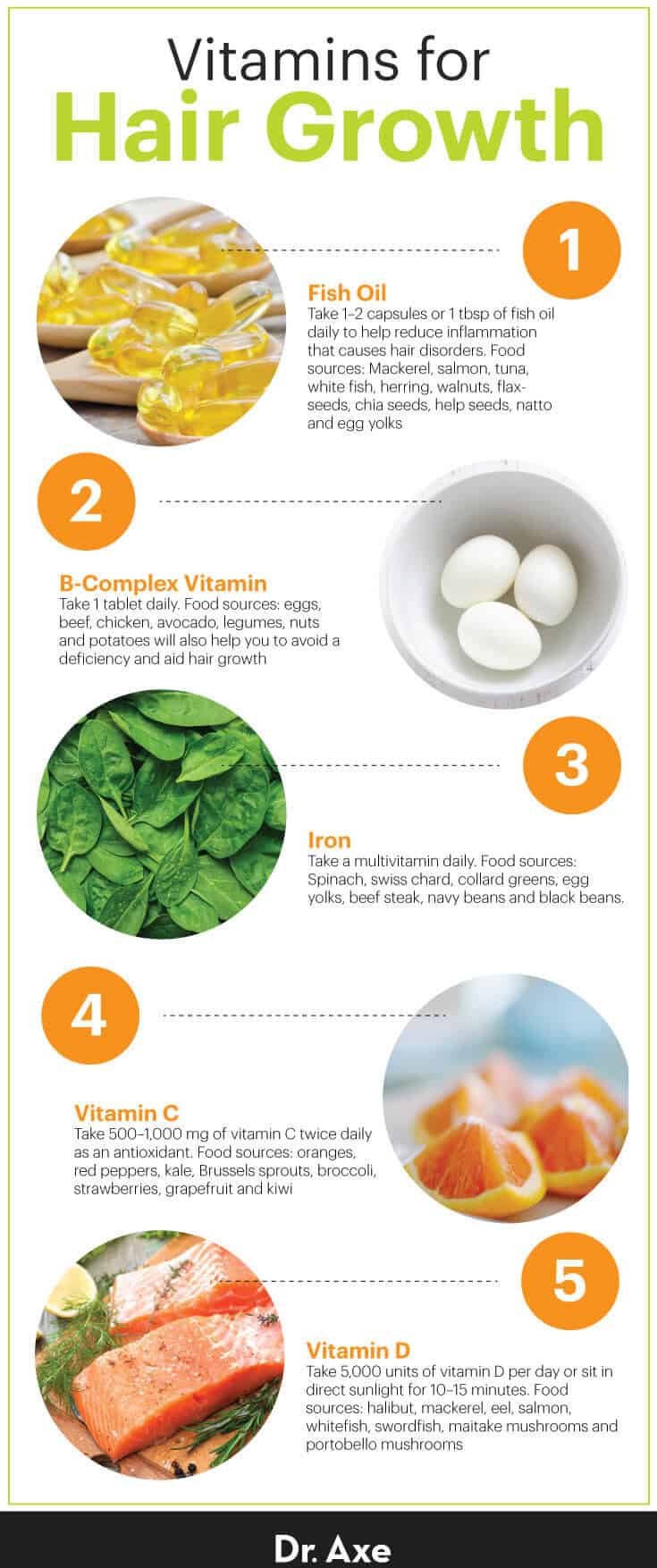
What if the missing piece in your hair routine isn’t another serum, not another “miracle” shampoo, but something quietly sitting in the sun-soaked corner of your routine? Vitamin D has been tossed into the hair-growth conversation like a rumor with evidence attached. And yet—here’s the playful challenge—could it be fact… or just exaggeration with a photogenic vitamin label? Let’s untangle the claim with a 2025 mindset: curious, critical, and surprisingly practical.
First, the premise: what does Vitamin D actually do?
Vitamin D isn’t merely a “sun vitamin.” It behaves more like a hormonal modulator—an orchestrator of biological messaging. Once your body converts it into its active forms, it influences cell differentiation, immune regulation, and inflammation signaling. In hair, those mechanisms matter because follicles are not static. They cycle through phases, communicating constantly with local blood supply, immune cells, and growth-regulating pathways.
Think of a hair follicle like a tiny, busy community. If the signaling gets muffled—whether by inflammation, oxidative stress, or nutritional gaps—the community can fall into the wrong rhythm. Vitamin D appears to participate in follicle function and hair cycling, which is why researchers keep returning to it.
Still, participation is not the same as causation. That distinction will be your compass as we go deeper.
Vitamin D and the hair follicle: where the connection is strongest
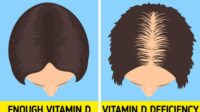
Multiple lines of investigation suggest a relationship between vitamin D status and hair conditions. Follicles have been reported to express vitamin D receptors, implying that vitamin D could influence follicular activity directly. When those receptors aren’t adequately stimulated, the follicle environment may become less supportive for sustained growth.
There’s also the immune angle. Certain hair disorders involve immune dysregulation. Vitamin D is known for tempering specific immune responses, which could explain why low levels might correlate with some forms of hair loss.
In other words: the “why” is plausible. But plausibility isn’t destiny. Some people have low vitamin D and don’t lose hair; others experience hair shedding without obvious vitamin deficiencies. The story is nuanced—like a strand of hair that looks straight until it catches the light and reveals its complexity.
So… does low Vitamin D cause hair loss, or just travel alongside it?
This is the central question—and it’s where exaggeration sometimes sneaks in. Correlation can masquerade as causation. Many observational studies find that people with certain hair issues often have lower vitamin D. But low vitamin D may also be a marker of other factors: limited sun exposure, dietary patterns, higher body mass index, stress, or broader metabolic differences.
Hair loss is rarely one-cause. Telogen effluvium, androgenetic alopecia, autoimmune shedding, scalp inflammation—these categories overlap like intersecting train tracks. Vitamin D might be one track contributing to the overall route. It might not be the engine.
When clinicians test vitamin D, the goal is often to identify modifiable deficiencies. If you’re deficient, correcting that gap can support general health. Whether it uniquely “fixes” hair depends on the underlying pattern of shedding.
The 2025 reality check: who is most likely to benefit?
If Vitamin D were a universal hair-growth cheat code, everyone would be luxuriant by spring. Instead, benefits appear most plausible for people who are genuinely insufficient. You’re more likely to see meaningful change if:
- Your vitamin D levels are low on a blood test (rather than guessed).
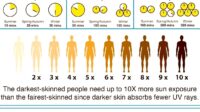
- You have limited sun exposure due to geography, clothing habits, or indoor routines.
- Your diet is low in vitamin D foods (fatty fish, fortified dairy, fortified alternatives).
- You have conditions associated with inflammation or immune imbalance that may intersect with follicular cycling.
But if your vitamin D is already adequate, supplementation may be less dramatic. You can’t out-supplement good biology indefinitely. At that point, the hair-growth bottleneck is likely elsewhere—iron status, thyroid balance, protein intake, scalp microbiome, androgen activity, or stress hormones.
What does “adequate” mean? Understanding vitamin D labs
Vitamin D is typically measured as 25-hydroxyvitamin D (25(OH)D). Different guidelines vary slightly, but the principle is the same: deficiency is not a feeling—it’s a number. For hair-focused decisions, it’s wise to base supplementation on labs rather than vibes.
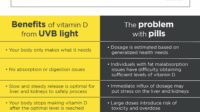
Many people take supplements casually and “hope” their level improves. That approach can be hit-or-miss, especially because too little may not help enough, while excessive dosing can be unhelpful and potentially risky.
Ask for a vitamin D test when you’re dealing with persistent shedding, changes in scalp health, or fatigue that hints at broader deficiency. Then let your dosing be a tailored response, not a blindfolded experiment.
How long does hair growth take after correcting Vitamin D?
Here comes the patience tax. Hair isn’t a quick-return investment. The hair cycle runs on its own calendar, and shedding can lag behind correction. If vitamin D supports follicle signaling, you still have to wait for the follicle to move through phases and for new growth to become visible.
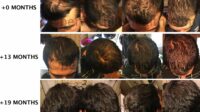
Many people notice changes—if they notice at all—over months, not weeks. Short-lived supplementation rarely transforms hair overnight. A longer timeline is more realistic, and tracking matters: photos, a consistent routine, and attention to how the shedding rate changes over time.
If you’re expecting instant results, you’ll likely feel disappointed. If you’re expecting gradual recalibration, you’ll be pleasantly surprised by how “quiet progress” can look over time.
Can Vitamin D supplements beat a good nutrition plan?
Supplements can help, but they don’t exist in a vacuum. Hair is a multivitamin drama featuring amino acids (protein), iron and ferritin, zinc, biotin (when deficient), essential fatty acids, and micronutrients that affect keratin production and scalp health.
Vitamin D is one character in a crowded cast. If your vitamin D is low, correcting it is sensible. But if your ferritin is tanked, your hair may still struggle even after vitamin D improves. Think of it like balancing a recipe: one missing ingredient can ruin the outcome, but no single spice can compensate for an empty pantry.
For best results, treat Vitamin D as part of a broader hair strategy, not the lone protagonist.
Practical dosing considerations (and why “more” isn’t always better)
Dosing should be individualized. People vary in baseline levels, absorption, body composition, and sun exposure. Higher doses can overshoot targets if taken without guidance. That doesn’t mean “don’t supplement.” It means “supplement like an adult scientist,” not like a hype-driven gambler.
Commonly, clinicians recommend adjustments based on lab outcomes, sometimes with re-testing after a period. Your goal is sufficiency, not extremes. If you’re pregnant, have kidney issues, take certain medications, or have a history of hypercalcemia, vitamin D supplementation should be discussed with a healthcare professional.
Are topical Vitamin D products useful, or is it all about oral intake?
Topical products promise a direct route to the scalp, but the evidence landscape is less settled than for oral correction of deficiency. Still, if a product contains vitamin D or vitamin D–related compounds, it may help support local scalp conditions for some individuals.
However, hair growth is influenced by systemic and local factors simultaneously. If your deficiency is systemic, topical options alone may be insufficient. Conversely, if the issue is local inflammation or scalp microenvironment, topical support might complement broader care.
A thoughtful approach blends both worlds: address deficiency internally while monitoring scalp health externally.
Potential myths, exaggerations, and what to watch for
Let’s puncture a few common myths:
- “Vitamin D fixes all hair loss.” Not true. It may help specific cases where deficiency contributes.
- “If it didn’t work, Vitamin D never mattered.” Not necessarily. Timing, dosage, baseline level, and the underlying hair-loss type matter.
- “More supplement equals faster growth.” Hair doesn’t run on caffeine. Excess dosing can create its own problems.
Also watch for marketing language that implies guaranteed regrowth. Hair health is probabilistic, not programmable.
Build your Vitamin D–hair plan: a cohesive, realistic routine
Start with assessment. Get a vitamin D blood test if you suspect deficiency or if shedding is persistent. At the same time, consider complementary lab work commonly tied to hair health, such as ferritin and thyroid markers, especially if shedding is diffuse.
Then choose your strategy:
- Oral supplementation if you’re deficient, guided by lab results.
- Dietary support to maintain baseline levels.
- Sun exposure when safe and appropriate, as part of a lifestyle pattern.
- Scalp care to reduce inflammation and improve the environment follicles need to cycle smoothly.
Finally, track your progress. Hair responds on a slow clock, and the best way to avoid disappointment is to measure consistently rather than emotionally.
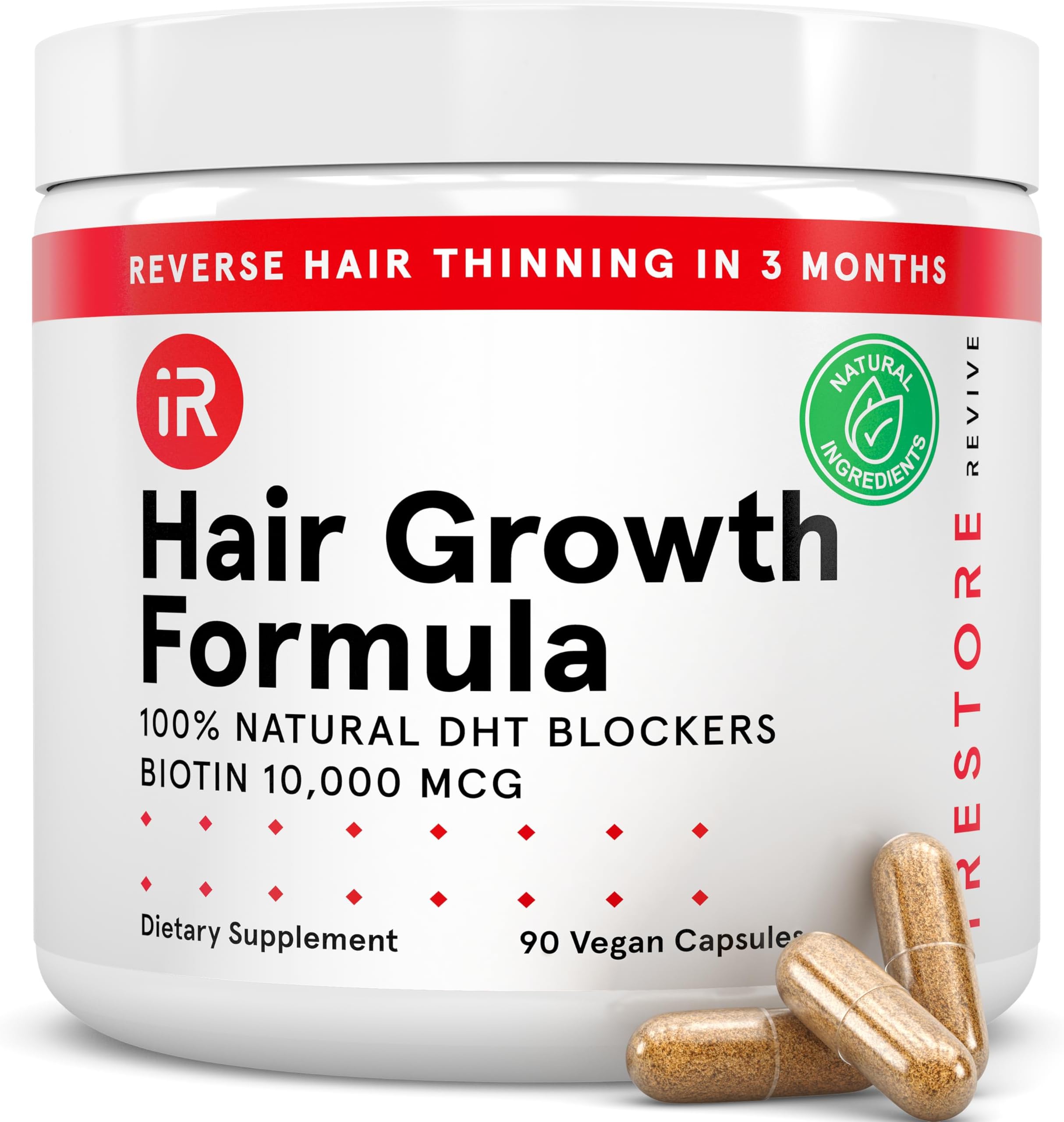
Quick visual reminder: supplements and scalp care in context
If you’re browsing products, it helps to keep expectations calibrated. A bottle can be helpful, but it isn’t a diagnosis. Here are two common categories people encounter while searching for hair support:

The verdict: fact, exaggeration, or both?
Vitamin D for hair growth in 2025 is best described as evidence-supported but context-dependent. The connection is biologically plausible, and correcting deficiency can support follicular health—especially when low vitamin D is present. But it’s not a universal cure, and it won’t override other nutritional, hormonal, immune, or scalp-related drivers of hair loss.
So, fact or exaggeration? Here’s the honest answer: fact, with conditions. The magic isn’t in a single vitamin. The magic is in addressing the right deficiency at the right time, then letting hair do what it does best—grow, cycle, and slowly reclaim its rhythm.