There’s a particular kind of quiet anxiety that creeps in when a lab report lands on your table: a number, a unit, and the nagging question—“Is this normal, or not?” Vitamin D is notorious for this. It doesn’t announce itself with obvious symptoms; it simply governs a thousand cellular decisions in the background. A vitamin D blood test can feel like translation work—until you learn the difference between ng/mL and “what your body actually needs.” Once you do, the report stops being intimidating and starts behaving like a compass.
What a Vitamin D Blood Test Actually Measures
A standard vitamin D blood test usually measures 25-hydroxyvitamin D—often written as 25(OH)D. This is the circulating form that best reflects your overall vitamin D status. Think of it as the storage ledger your body keeps in circulation. Meanwhile, the more active forms are produced locally and respond to immediate needs, which is why they don’t make the best single-number snapshot.
The result appears in ng/mL (nanograms per milliliter) in many settings. Occasionally, you’ll see other units like nmol/L, especially in countries that favor SI conventions. The story begins with understanding what that number is pointing to: vitamin D availability, not vitamin D activity. The difference matters. Your body may be synthesizing, converting, or using vitamin D in complex ways, but the 25(OH)D level remains the most reliable clue we have.

Why “Normal” Isn’t One Universal Number
When people ask, “What is a normal level?” they’re often looking for a single finish line—something like a green checkmark. But normal is more like a temperature range on a thermostat than a single value. Different clinical guidelines may define sufficiency and deficiency thresholds slightly differently. Also, “normal” is affected by the purpose of testing and the context of your health.
A level that’s considered adequate for one person may be perceived as suboptimal for another—particularly depending on age, skin pigmentation, sun exposure, kidney function, body weight, malabsorption risk, and certain medications. Even the season can play a role. In winter months, many people drift downward. In summer, many rebound. That shift isn’t failure; it’s physiology doing what it has always done.
So the better question often becomes: Is your level in a range that supports bone health and broader physiological processes for someone with your risk profile? That perspective turns interpretation into personalization.
Vitamin D Ranges in ng/mL: Interpreting the Number
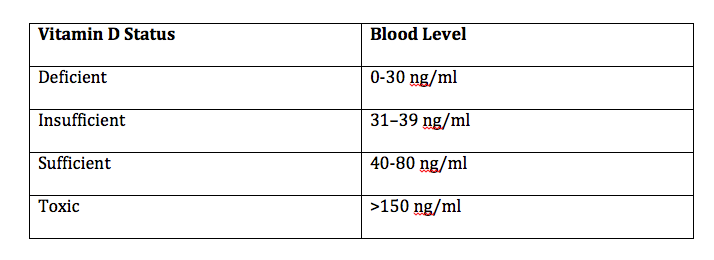
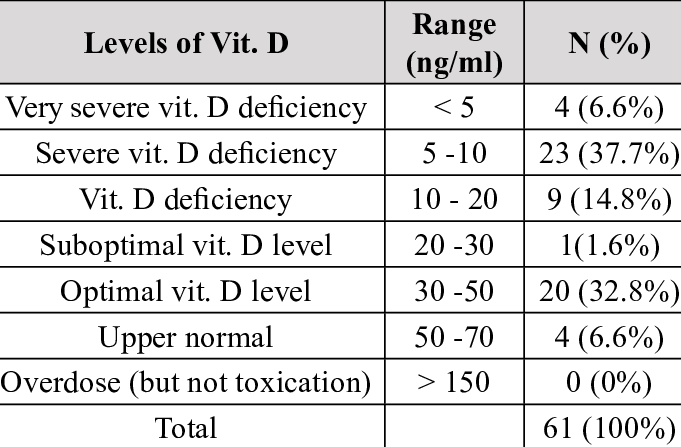
Vitamin D interpretation commonly uses a tiered approach. A common clinical framing looks like this:
1) Deficient: often < 20 ng/mL
2) Insufficient: often 20–29 ng/mL
3) Sufficient (adequate): often ≥ 30 ng/mL
Some guidelines and clinicians also discuss an upper comfort zone, or a “higher adequacy” range (frequently around 40–60 ng/mL in certain contexts). However, higher is not automatically better. Vitamin D is fat-soluble, meaning it can accumulate when supplementation outpaces your body’s tolerance and metabolism.
Here’s where curiosity becomes power: your lab report isn’t just telling you where you stand—it’s offering a conversation starter. You can ask whether your level is adequate for bone mineralization, fracture risk reduction, and maintaining overall health markers, especially if you have risk factors.
ng/mL vs nmol/L: The Unit That Changes the Framing
It’s easy to feel confused when units differ. But conversion is straightforward. The commonly used relationship is:
1 ng/mL ≈ 2.5 nmol/L
So, a result of 30 ng/mL roughly equals 75 nmol/L. This conversion matters because you may encounter educational materials in different units. A threshold you recognize in ng/mL might appear unfamiliar when written as nmol/L, even though it represents the same biochemical reality.
Understanding the conversion invites clarity. Suddenly, those charts you find online don’t look like coded messages. They become comprehensible maps.
How Your Body Uses Vitamin D: Beyond Bones
Vitamin D’s reputation is often narrowed to calcium absorption and bone health, but it has wider influence. It participates in immune regulation, cell differentiation, and signaling pathways that govern how tissues respond to their environment. That’s why a low vitamin D level can sometimes correlate with fatigue, aches, or increased susceptibility to certain health concerns—though symptoms alone can never confirm a deficiency.
The body doesn’t treat vitamin D like an on/off switch. It uses it in a nuanced, context-dependent manner. This is another reason interpretation shouldn’t become overly simplistic. A “low-normal” result may prompt a lifestyle conversation. A “clearly deficient” result often prompts more decisive steps, especially if there are bone density concerns or risk factors for malabsorption.
Common Reasons Vitamin D Levels Run Low
Low vitamin D often isn’t about negligence; it’s frequently about circumstances. Limited sun exposure is the most intuitive contributor—especially at higher latitudes or during winter. Yet diet can also play a role. Many people don’t regularly consume vitamin D-rich foods such as fatty fish, fortified dairy alternatives, or supplements that bridge the gap.
Skin pigmentation affects vitamin D synthesis, and darker skin generally requires more sun exposure to produce comparable amounts. Age matters too: as the skin ages, its ability to synthesize vitamin D can decline. Body weight influences circulating levels because vitamin D can be sequestered in fat tissue, reducing bioavailability. Certain medical conditions—like celiac disease, Crohn’s disease, pancreatic insufficiency, or bariatric surgery—can impair absorption.
Medications can also contribute indirectly, shifting metabolism or absorption. The key point: a low result often points to a pathway worth exploring, not merely a deficiency to patch.
How to Think About Supplementation After Testing
Once you know your level, the next question becomes: what’s the safest and most sensible response? The decision should be guided by your result, your health history, and how quickly your clinician wants to correct the level.
Some people do best with moderate daily supplementation. Others may require a structured repletion strategy, followed by maintenance dosing. Vitamin D dosing is individualized because baseline levels vary widely, and because individual response can differ. Retesting after a period of supplementation helps determine whether your intake is matching your physiology.
Equally important: supplementation should not become guesswork. Excess vitamin D can contribute to hypercalcemia and related symptoms. When vitamin D is treated like a precision tool rather than a casual habit, the risk declines and the benefit becomes more predictable.

When to Recheck and What Follow-Up Can Reveal
A single test can be informative, but it’s not always the final chapter. If your level was low, rechecking provides momentum: it answers whether the chosen plan is working. If you were borderline, retesting can clarify whether lifestyle changes—more sun exposure (within reason), dietary adjustment, or supplementation—shift you into a healthier band.
Sometimes clinicians also consider associated labs, such as calcium, parathyroid hormone (PTH), or markers of kidney and mineral metabolism. These readings can add context, particularly if vitamin D deficiency is suspected to be driving secondary changes.
Follow-up transforms the process from interpretation into trajectory. You stop staring at a static number and start measuring progress.
Putting It All Together: Your Lab Report as a Compass
“Normal” vitamin D is not a trophy. It’s a condition—an environment where your body can coordinate its calcium economy, immune signaling, and cellular maintenance with fewer constraints. Interpreting a vitamin D blood test in ng/mL becomes simpler once you remember three truths: the test usually measures 25(OH)D, the reference ranges may vary slightly by guideline, and your risk factors influence what “adequate” means for you.
So the next time you see a number on a lab slip, don’t treat it like a verdict. Treat it like a clue. A single measurement can open the door to better questions, smarter choices, and a more grounded sense of what your body needs right now.