Most nights, we blame the obvious suspects: too much caffeine, an overbooked day, a racing mind. Yet some bodies carry an entirely different bedtime conspiracy—an urge to move the legs that arrives precisely when the lights go out. That sensation, often labeled Restless Legs Syndrome (RLS), can turn sleep into a fragile truce. And within that truce, an unassuming nutrient—vitamin D—may play a more influential role than many people ever suspected.
RLS: When Stillness Becomes Unbearable
RLS is not simply “restlessness.” It’s a patterned discomfort that tends to intensify during periods of inactivity, especially in the evening and at night. People describe it in vivid, sometimes contradictory ways: crawling, tingling, aching, pulling, or a restless urge that feels impossible to ignore. Movement often provides temporary relief—walking, stretching, shifting positions—but the relief can be brief, like a borrowed match in a windstorm.
This condition doesn’t just steal comfort. It steals rhythm. Sleep fragmentation follows, and with it, fatigue, irritability, reduced concentration, and a slow erosion of emotional steadiness. A person can be exhausted yet unable to surrender into restorative sleep. It’s as if the body is running an alarm system that only triggers in darkness.
Understanding RLS requires a shift in perspective. Instead of viewing it as a character flaw (“I can’t relax”), the conversation becomes physiological (“My nervous system is misfiring in a specific way at a specific time”). That reframing changes what people look for—and what they’re willing to try.

The Sleep Killer Effect: How RLS Undermines Recovery
When RLS interrupts sleep, it doesn’t merely reduce sleep duration—it reduces sleep quality. The body cycles through lighter stages more often, and deep, restorative sleep becomes harder to reach. Even if someone “gets in bed early,” RLS can scatter the night like confetti.
Think of sleep as a nightly software update. RLS forces constant interruptions, and the update never completes. Over time, this can show up as brain fog, a short temper, and a body that feels persistently under-repaired.
Curiosity matters here: why does the discomfort surge at night? Many researchers point to timing patterns connected to circadian biology and neurotransmitter systems. RLS may also intertwine with iron regulation, sensory pathways, and inflammation. Vitamin D enters the scene not as a single magic key, but as part of the larger lock-and-key mechanism of sleep physiology.
Vitamin D: More Than Sunshine Chemistry
Vitamin D is sometimes treated like a simple checkbox—good for bones, helpful for immune support, end of story. But the truth is more nuanced. Vitamin D acts more like a hormone than a vitamin, influencing gene expression and participating in numerous biological pathways, including nerve function and inflammation control.
In many individuals, vitamin D levels are lower than expected due to limited sun exposure, seasonal variation, darker skin pigmentation, older age, or lifestyle factors. Low vitamin D can be subtle during the day. At night, its consequences—particularly through inflammation and neuromuscular signaling—may become more noticeable.
That’s where the curiosity begins: could correcting vitamin D insufficiency help calm a nervous system that seems “too keyed up” after sunset?

How Vitamin D Could Influence RLS Pathways
RLS is complex, and vitamin D isn’t the sole actor. Still, vitamin D may affect RLS through several plausible routes. One avenue involves inflammation. When inflammatory signaling increases, nerve excitability can rise, and the threshold for discomfort may fall.
Another route is neuromuscular regulation. Vitamin D participates in calcium handling and nerve transmission. Even small shifts in these systems can alter how the body interprets sensations—especially sensations that come from the legs, a region rich in sensory and motor interplay.
Vitamin D also intersects with iron metabolism indirectly. Iron deficiency is a well-known contributor to RLS. While vitamin D isn’t iron, it may support the physiological environment in which iron is transported, utilized, or regulated. If vitamin D status affects how the body handles micronutrients, then restoring balance could create a domino effect across multiple systems.
The important nuance: a “vitamin D connection” doesn’t automatically mean vitamin D replaces iron therapy or other treatments. It suggests a potential shift—moving from one narrow assumption to a broader, more strategic understanding of sleep chemistry.
Signs Your Vitamin D Might Be Low (And Why Timing Matters)
Low vitamin D can present quietly. Some people experience muscle aches, generalized fatigue, weakened immunity, or a sense of low vitality. Others feel mostly normal—until seasonal patterns, stress, and disrupted sleep compound the problem.
For RLS sufferers, the timeline is especially telling. Symptoms cluster in the evening, intensify at night, and sometimes improve with movement. That rhythm hints that body chemistry changes after dark. If vitamin D levels are contributing—through inflammation modulation or neuromuscular signaling—then correcting deficiency might influence the nightly cascade.
Curiosity can become action here: consider asking a clinician about checking vitamin D levels via a blood test. It’s a more precise compass than guessing based on symptoms alone.
Vitamin D and the Search for Better Sleep: What People Hope to Find
Many people begin exploring vitamin D after noticing patterns: RLS flare-ups during certain months, after lifestyle changes, or alongside other health signals like low energy. The hope isn’t just “more vitamin D.” It’s steadier nights—less urge, fewer awakenings, and a calmer transition into sleep.
At the heart of this pursuit is a psychological shift: instead of accepting sleeplessness as inevitable, people begin treating RLS as something to manage. They try targeted interventions. They track changes. They look for incremental improvements that add up.
That progress can be frustratingly slow, but even small changes matter. A slightly longer stretch of uninterrupted sleep can be the beginning of a new baseline, one night at a time.
Practical Considerations: Safety, Dosage, and the Intelligence of Caution
Because vitamin D influences hormone-like pathways, supplementation should be approached with care. Too little may fail to correct deficiency; too much can cause adverse effects. That’s why measuring baseline levels is valuable. It transforms supplementation from a gamble into a plan.
Common practice often involves dosing strategies based on current vitamin D status, individual risk factors, and clinician guidance. If someone already takes other supplements, overlap becomes relevant—especially with multivitamins or calcium products. Keeping a clean, organized regimen helps prevent unintended over-supplementation.
Also consider that RLS commonly involves iron-related mechanisms. If symptoms persist, it can be wise to discuss iron studies with a healthcare professional. Treating vitamin D deficiency while ignoring iron issues can limit results. The most effective approach tends to be comprehensive rather than singular.
Supplement Products and the Reality of Formulas
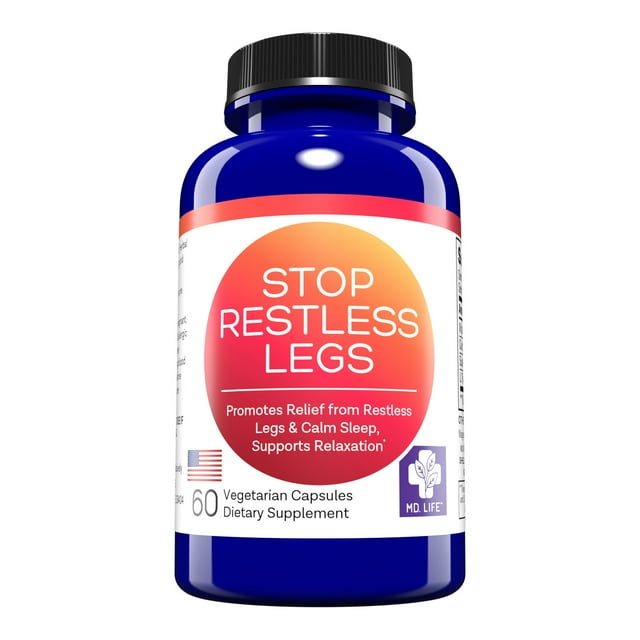
When people search for relief, they often find blends that combine vitamin D with other supportive ingredients. Some products include vitamin D3 alongside calming or anti-inflammatory companions—marketed with the intention of supporting restful sleep and mobility comfort.
Product labels vary widely. That’s why it’s useful to read carefully: look at the vitamin D amount per serving, the presence of additional nutrients, and whether the formula aligns with your goals and tolerances. Not every blend is appropriate for everyone, and what matters is fit, not hype.
Beyond Supplements: Lifestyle Tactics That Pair Well with Vitamin D
Even if vitamin D helps, it works best when paired with practical nightly strategies. Stretching or gentle movement in the evening can reduce discomfort. A consistent sleep schedule helps the brain anticipate rest cues. Reducing stimulants—particularly later in the day—can blunt sensory sensitivity.
Some people benefit from warm baths or heat therapy, while others respond better to cool compresses. The key is experimentation with intention: change one variable at a time and observe the effect on symptom timing.
RLS is sensitive to patterns. The nervous system likes predictability, and sleep is one of the most powerful predictability signals we have.
The Shift in Perspective: From Sleeplessness to Strategy
Vitamin D and RLS don’t have to be understood as an instant cure. Instead, think of vitamin D as a potential stabilizer—one contributor in a network of factors that shape nerve sensitivity, inflammation, and nightly physiology.
When you begin with curiosity, you stop treating RLS as a random punishment. You start treating it as a meaningful signal from the body—an invitation to examine underlying contributors, including vitamin D status and other related imbalances.
And slowly, the narrative changes. The night stops feeling like a battlefield. It becomes a place where you can build, test, refine, and regain agency—one calmer bedtime at a time.