For athletes over 40, the body’s rhythm changes quietly—sometimes with the subtleness of morning stiffness, sometimes with the sharper announcement of a fracture risk. In that shifting landscape, vitamin D becomes more than a nutrient; it is a biological courier involved in calcium absorption, bone remodeling, and muscle function. The goal isn’t to “feel young” through supplementation alone. It’s to support a resilient skeleton while you continue training with intention, whether your focus is distance running, cycling, court sports, or strength athletics.
Why Bone Health Gets Rewritten After 40
Bone is not static architecture. Think of it as an adaptive material that responds to mechanical load—strength training makes it denser, while underuse encourages gradual thinning. After 40, many adults experience a slow tilt toward reduced bone formation and increased resorption. This doesn’t mean a masters athlete is doomed; it means the margin for error narrows. The scaffolding of the hips, spine, and long bones deserves proactive care.
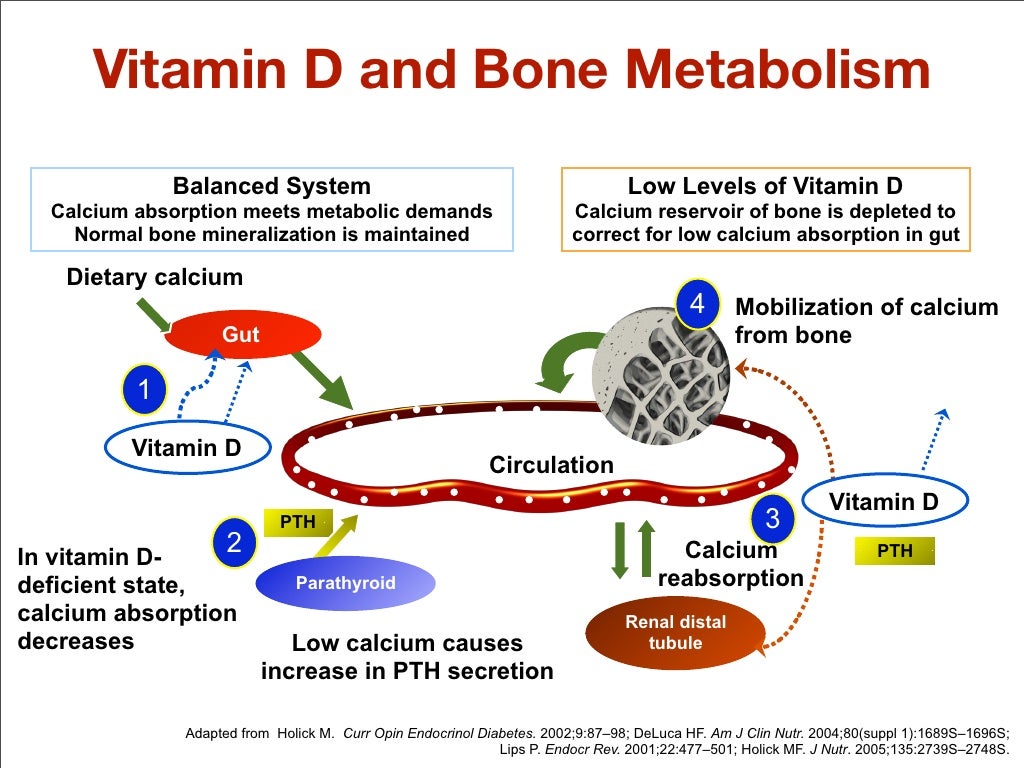
Vitamin D plays a pivotal role in this process. It helps regulate calcium and phosphate—minerals that build and maintain bone matrix. When vitamin D is insufficient, the body compensates by pulling calcium from bone stores, which can subtly erode structural integrity over time. That erosion might not announce itself until an impact is harder than expected or recovery takes longer than your training plan predicted.
As a result, bone health in masters athletes is best treated like a long-term performance variable. Rather than waiting for pain or a stress injury, many athletes adopt earlier testing, dietary strategy, and smart supplementation under professional guidance.
Vitamin D’s Job Description: Beyond Calcium Absorption
Most people associate vitamin D with calcium, but its responsibilities extend further. In skeletal tissue, vitamin D supports gene expression related to bone remodeling. It also influences the formation and function of osteoblasts (bone-building cells) and helps modulate osteoclast activity (cells involved in bone breakdown). That balance is delicate, and masters athletes who train intensely can experience a higher demand for recovery and tissue repair.
Vitamin D also interacts with muscle. This matters because muscle strength and coordination protect the skeleton by improving movement mechanics, reducing fall risk, and smoothing out the “micro-stresses” that accumulate during repetitive training. When vitamin D levels are low, muscle performance may feel clumsier—your stride might shorten, your stability might wobble, and that can raise injury risk even before bone shows obvious signs of stress.
In short: vitamin D is a backstage regulator. It doesn’t just fortify bones; it also helps the body move in a way that spares bone.
Common Signs of Low Vitamin D in Active Adults
Low vitamin D often behaves like a silent teammate—present in the background, rarely obvious until performance or recovery falters. Some symptoms are nonspecific, such as fatigue or aching discomfort in muscles and bones. Others are more suggestive: frequent stress reactions, prolonged recovery after minor injuries, or a pattern of declining training tolerance during periods of low sun exposure.
Still, symptoms alone are unreliable. Athletes over 40 may have varied risk factors without feeling “bad.” For that reason, objective assessment becomes valuable. A blood test can clarify whether vitamin D status is adequate for bone and muscle function.
If you’re training year-round outdoors, you may presume you’re covered. But sunscreen use, skin pigmentation, latitude, season, and indoor scheduling all affect ultraviolet B exposure—the trigger that helps the body synthesize vitamin D. Even consistent sun does not guarantee adequate levels.
Testing and Targets: Turning Uncertainty into a Plan
Many masters athletes choose a measured approach: testing their 25-hydroxyvitamin D level, reviewing results with a clinician, and then mapping a supplementation strategy. This approach is pragmatic. It replaces guesswork with personalization.
Targets vary across guidelines and individual circumstances, but the underlying principle stays consistent: maintain sufficient vitamin D to support calcium balance and healthy bone remodeling. Athletes with a history of fractures, gastrointestinal absorption issues, or limited sun exposure may need closer attention. Likewise, those who use certain medications or have kidney or parathyroid considerations should coordinate carefully.
Once a plan is established, retesting may help confirm that intake is landing where it should. Think of it as calibrating equipment—your training load is only as effective as your recovery environment.
Food Sources That Support Vitamin D (and What They Can’t Do Alone)
Diet can contribute, but it’s often not sufficient by itself, especially in winter or for athletes who train indoors. Vitamin D is found in fatty fish (like salmon and sardines), fortified dairy or plant alternatives, egg yolks, and some fortified cereals. Cod liver oil is another option, though it’s best discussed with a clinician due to its vitamin A content and dose considerations.
Nutrition works best when it’s paired with a bone-supporting foundation: adequate protein, calcium-rich foods, vitamin K sources, and overall energy sufficiency. Under-eating is a stealth hazard for masters athletes. Relative energy deficiency can disrupt hormonal signals that influence bone turnover and recovery. In other words, vitamin D may be plentiful, yet bone still struggles if the rest of the system is under-resourced.
Because athletes often prefer performance-oriented meal planning, vitamin D foods can be integrated as “recovery fuel”—served post-training, added into routine lunches, or included in breakfast rituals.
Supplementation Strategies: Consistency Beats Chaos
When sunlight and food are inadequate, supplementation becomes a practical lever. The most important idea is consistency. Sporadic “mega-doses” may produce swings in blood levels, while steady dosing generally supports smoother physiology. However, the right dosage depends on baseline levels, body composition, absorption, and medical considerations.
Some athletes prefer daily dosing, others choose weekly protocols. Either can work, but the underlying objective remains the same: maintain adequate serum concentrations. It’s also wise to consider the form of vitamin D. Many supplements use vitamin D3 (cholecalciferol) due to its reliable bioavailability.
If you take calcium supplements, timing and total daily intake matter. Calcium overload is not automatically beneficial; bone health relies on balanced mineral metabolism. Coordination with a clinician helps ensure supplementation supports training rather than creating additional metabolic noise.
Training Load, Impact, and Bone Remodeling Synergy
Vitamin D cannot replace progressive mechanical loading. Bone responds to stress in an organized way, strengthening when signals indicate that strength is needed. For masters athletes, this means training plans should include a sensible mix of weight-bearing and resistance work. Even non-impact sports like cycling can benefit from supplemental strength training and targeted impact exposure, depending on injury history.
A key concept is “dose.” Too little load yields minimal stimulus; too much, too quickly, increases stress injury risk. Vitamin D helps the tissue environment, but training design still governs the signals. When vitamin D status is adequate, recovery may improve, supporting higher-quality sessions and steadier progression.
Picture it as choreography: vitamin D helps the stage crew. Your training provides the performance demands.
Injury Prevention: From Stress Reactions to Fracture Risk
Masters athletes are not immune to stress fractures, especially when training volume rises, technique changes, footwear shifts, or recovery sleep is compromised. Low vitamin D can be one piece of the puzzle—an amplifier that makes bones less tolerant of microtrauma.
Addressing vitamin D status may reduce risk, but it’s not a standalone shield. Injury prevention is multi-layered: adequate energy intake, sufficient protein, smart periodization, mobility work, and technique refinement. When all layers align, the body tolerates training more effectively, and the “background strain” decreases.
Importantly, persistent bone pain should never be dismissed as “just soreness.” Early evaluation can prevent a minor stress injury from escalating into a longer interruption.
Muscle Function, Balance, and the Hidden Power of Recovery
Falls and slips are less common among elite athletes, yet instability can still appear with age-related changes in reaction time, proprioception, and muscle endurance. Vitamin D influences muscle performance, potentially supporting better contractile function and neuromuscular coordination.
Stronger, steadier muscles can reduce aberrant joint mechanics. That matters for knee alignment, hip stability, and spinal loading—areas where masters athletes often report lingering discomfort. When muscle function improves, mobility may feel smoother, and movements become less costly.
Recovery is also psychological. When your body feels more capable, training feels less like negotiation and more like collaboration. That mindset can make adherence easier, and adherence is where long-term bone benefits truly accumulate.
Practical Content Readers Can Use: A Masters “Bone Smart” Checklist
Many athletes find it helpful to turn education into action. A bone-smart routine might include: scheduling a vitamin D blood test before the season that matters most; reviewing calcium intake from foods; planning strength training that targets hips, spine, and long bones; and monitoring training volume so progression stays tasteful.
Consider how you’ll track risk factors: indoor training months, sunscreen habits, dietary patterns, and any history of fractures. Make supplementation decisions based on data, not vibes. Then reassess after a reasonable period so your plan evolves with your body.
Below are images that visually reinforce the central theme: vitamin D supports bone integrity and helps athletes maintain resilience through demanding training cycles.


When to Seek Professional Guidance
If you have a history of fractures, known osteoporosis, kidney disease, malabsorption syndromes, or you’re taking medications that affect bone or vitamin D metabolism, professional guidance becomes essential. Even for otherwise healthy masters athletes, coordinated care can optimize dosing, reduce uncertainty, and integrate vitamin D with calcium, protein, and training strategies.
A clinician can interpret lab values in context. That context might include seasonality, dietary patterns, and your training schedule. The outcome is a plan that feels practical rather than complicated—something you can follow when the season is busy and motivation fluctuates.
Closing Perspective: A Durable Athletic Future
Vitamin D is not a magic wand. It’s a foundational element that helps your body build and maintain bone, support muscle function, and tolerate training load with greater confidence. For athletes over 40, that confidence matters. It keeps you consistent. It keeps you curious about improvement. And it helps you meet the next season with fewer setbacks and more intentional strength.