Keto can feel like a small revolution in how the body burns fuel. Yet beneath the glamour of ketones and macros, a quieter story plays out—vitamin D absorption. Many people notice that their labs seem “stubborn,” or that supplementation doesn’t always behave the way they expect. The common observation is simple: “I’m on keto, and my vitamin D won’t budge.” The deeper reasons, however, are less obvious and surprisingly fascinating—because vitamin D is not merely a nutrient. It is a lipid-involved courier, a hormonal precursor, and a traveler through multiple biochemical territories.
Why Keto Changes the Conversation Around Vitamin D
Vitamin D is fat-soluble. That alone matters on keto, where dietary fat becomes the dominant macronutrient. But fat-soluble does not mean “automatically absorbed.” Absorption is more like choreography than one-way motion. Your gut needs the right conditions to package vitamin D into transportable forms, and your body needs the right internal logistics to keep the process humming.
On keto, bile flow and digestive timing can shift as meals change composition. Some people experience smoother digestion; others feel a subtle gallbladder “slowdown.” Even small variations can influence how efficiently vitamin D rides along with dietary lipids. A single missing step can make serum levels look deceptively static.
The Intestinal Gate: Solubilization, Bile, and Transport
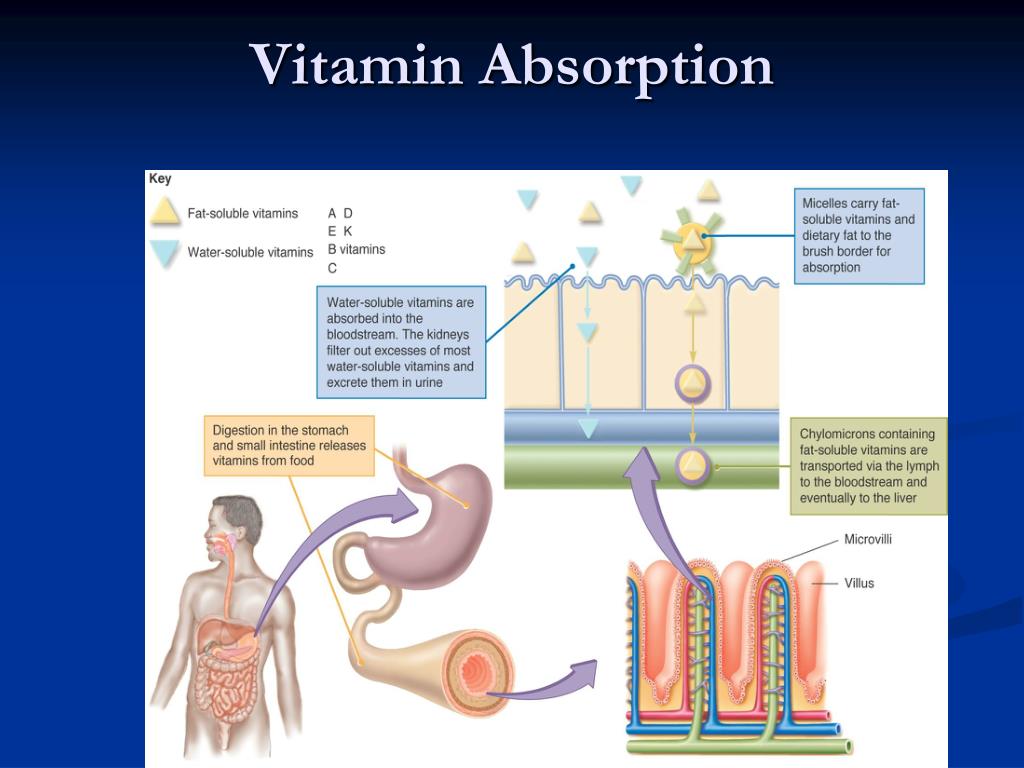
Before vitamin D can become useful, it must be absorbed through the intestinal landscape. Fat-soluble vitamins typically require bile salts to be solubilized—think of bile salts as molecular librarians that organize fats and fat-associated compounds into micelles that can cross the intestinal wall.
In practical terms, keto can alter bile dynamics because the meal pattern often becomes higher fat and lower carbohydrate. For many, bile production keeps pace. For others—especially those with irregular meal timing, under-eating fats, or a history of gallbladder sensitivity—micelle formation may be less efficient. The result is a slow trickle of vitamin D absorption, not a total failure.
This is one reason keto vitamin D results can appear inconsistent: absorption isn’t just about what you swallow. It’s about how your digestive system stages the performance.
Fat Stores and the “Vault Effect” on Serum Levels
Vitamin D behaves like a long-term asset stored in adipose tissue. When you alter body composition—common on keto—your “storage vault” can change its behavior. That doesn’t mean keto is lowering vitamin D. It means serum levels can reflect redistribution rather than intake.
As fat mass changes, vitamin D stored in adipose tissue may gradually re-equilibrate with the bloodstream. During active weight loss, you can see serum 25(OH)D fluctuate, sometimes lagging behind supplementation. The fascination here lies in timing: absorption may be adequate, yet the bloodstream still looks stubborn because the system is settling into a new steady state.
So the common observation—“my number isn’t rising”—may actually be a delayed narrative rather than an absence of progress.
From Skin to Hormone: The Metabolic Pipeline You Don’t See
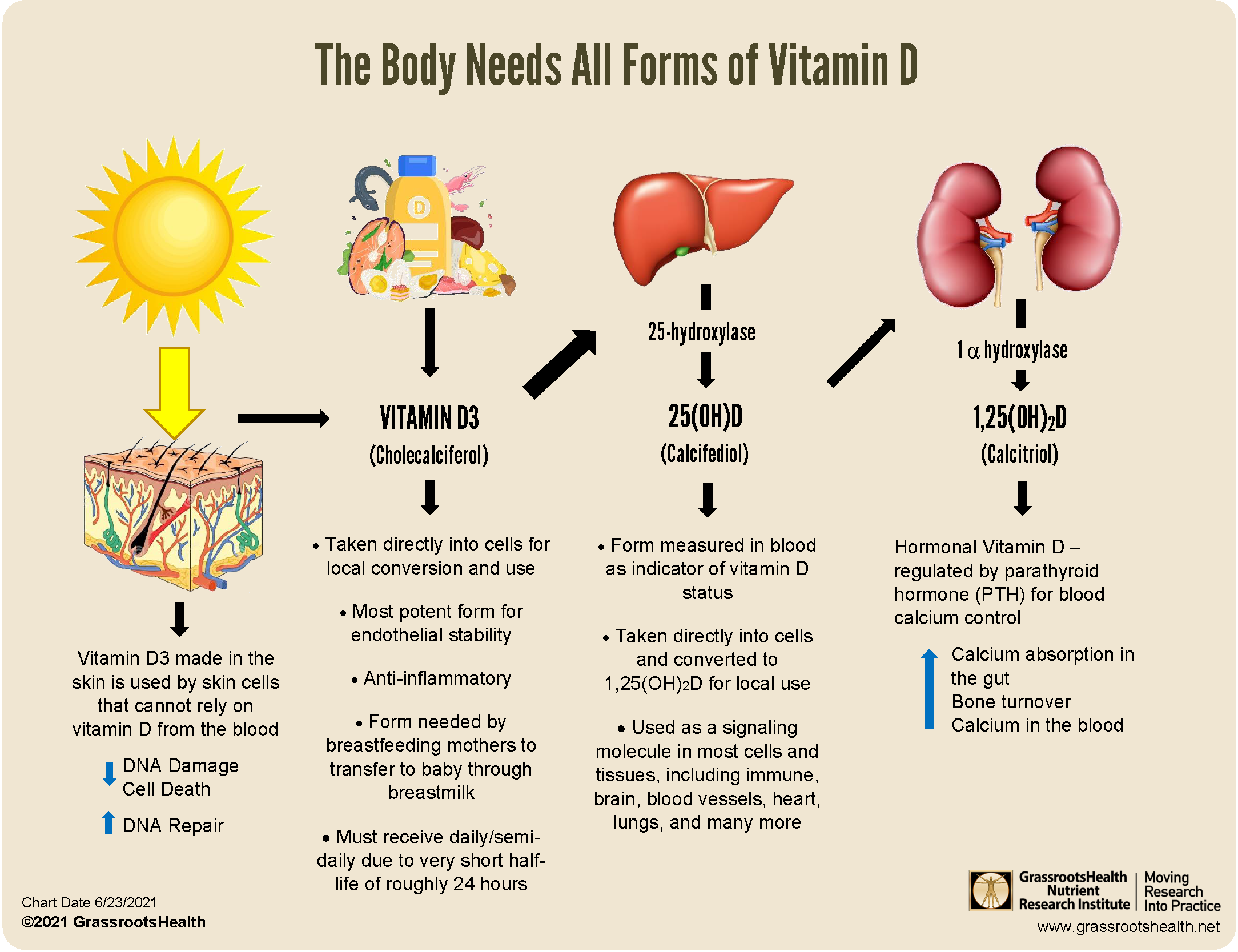
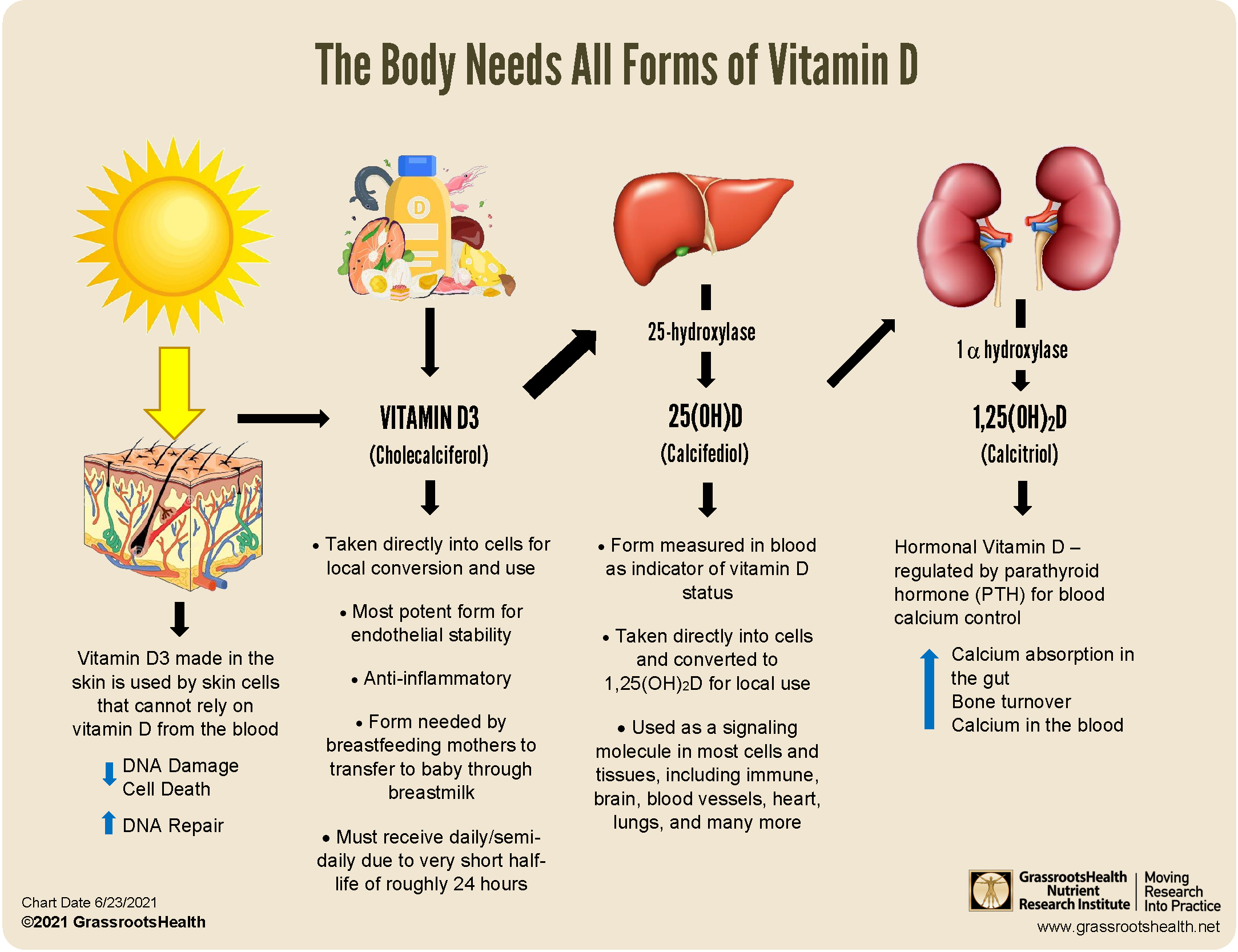
Vitamin D isn’t truly “active” when it first enters the body. It travels through a metabolic pipeline: first to form 25-hydroxyvitamin D (25[OH]D), then later to become calcitriol, the hormone-like form that influences calcium regulation, immune signaling, and bone remodeling.
Keto can influence parts of the pipeline indirectly. Changes in dietary fat quality, meal frequency, and overall energy balance can alter enzyme activity and transport dynamics. Meanwhile, individual variability—genetics, baseline vitamin D status, and liver or kidney efficiency—determines how smoothly the transformation occurs.
If you’re focusing only on dosing, you may be missing the quiet truth: vitamin D is a relay team. Different legs of the race can have different bottlenecks.
Supplement Strategy on Keto: Quality, Form, and Timing
If you supplement, the “how” matters as much as the “how much.” Vitamin D supplements come in forms such as D2 (ergocalciferol) and D3 (cholecalciferol). Many people do better with D3 for raising serum 25(OH)D, though individual response varies.
Timing is a practical lever. Taking vitamin D with a meal containing some fat can improve absorption because it supports solubilization and transport. This is particularly relevant on keto, where meals often include fats; however, not all keto eating patterns are equal. A very low-fat keto version or sporadic meal timing can reduce the likelihood of strong absorption.
Another often-overlooked variable is whether vitamin K2 is being addressed. Vitamin D is commonly discussed as a calcium partner, but the body also uses vitamin K pathways for calcium handling. While vitamin D and K2 are not interchangeable, they can be like teammates with complementary roles—each needs to be present for the teamwork to look “coherent.”
Mineral Co-Factors: Calcium, Magnesium, and the Calcium–Vitamin D Relationship
Vitamin D signaling is not a solo act. Calcium metabolism depends on magnesium and other cofactors. Magnesium supports the enzymes involved in vitamin D metabolism and helps stabilize many downstream processes. On keto, magnesium intake can become uneven if you rely on low-nutrient options or neglect electrolyte planning.
Some people respond to supplementation with improved well-being but still don’t see vitamin D rise dramatically. That can happen when absorption or conversion is not the only constraint. If the body lacks minerals that enable smooth utilization, the overall system may still feel “off,” even if vitamin D stores are present.
Think of vitamin D as an orchestrator. Without a full band, the performance can’t reach its expected crescendo.
Lab Testing That Actually Helps: What to Measure and When
To understand what keto is doing to your vitamin D, you need the right signals. 25(OH)D is the key marker for vitamin D status. If levels remain low despite supplementation, it’s worth also considering calcium, magnesium, parathyroid hormone (PTH), and—depending on your situation—other relevant markers.
Timing matters, too. Vitamin D dynamics are slow. Retesting too soon can confuse interpretation. Wait long enough for equilibrium: the body needs time to reflect changes in intake, absorption, and tissue distribution.
When people check labs only once, they often mistake a snapshot for a storyline. In vitamin D physiology, the storyline unfolds over weeks and months.
Sunlight, Latitude, and the Keto Lifestyle: A Synergy, Not a Trade-Off
Sun exposure remains a powerful driver of vitamin D status, but it’s inconsistent. Latitude, season, skin pigmentation, sunscreen practices, and time outdoors all shape the dose of UVB reaching your skin.
Keto doesn’t block sunlight. Yet lifestyle changes on keto—more indoor time, altered routines, reduced incidental exposure—can change your natural vitamin D input. The fascination is that vitamin D can be simultaneously “obvious” and “invisible”: you can feel like you’re taking action, while the body still receives insufficient UVB.
When sunlight and supplementation overlap appropriately, the system often responds more predictably.
Common Pitfalls That Make Vitamin D Feel “Impossible” on Keto
Several pitfalls repeatedly appear in real-world keto scenarios. One is under-eating fat while still expecting fat-soluble absorption to work optimally. Another is inconsistent supplement use, where doses are missed and absorption becomes a patchwork.
Some people also take supplements without meals, or with meals that contain very little fat. That can reduce absorption even if the supplement is high quality. Others ignore cofactors like magnesium and vitamin K2, leaving utilization partially constrained.
Finally, rapid weight loss can create redistribution effects that make serum levels feel stubborn. The number doesn’t always mirror intake instantly—it mirrors equilibrium.
A Done-Right Approach: Practical Steps Without Obsessing
Done right, keto and vitamin D can coexist elegantly. Choose vitamin D3 if you supplement, take it with a meal containing some fat, and consider addressing magnesium intake and, if appropriate, vitamin K2. Test thoughtfully—measure 25(OH)D and other markers when needed, and retest with patience.
Keep your sunlight strategy realistic: aim for consistent outdoor exposure when feasible, adjusted for season and safety. Then let the physiology catch up.
Vitamin D absorption on keto isn’t merely a biochemical footnote. It’s a window into how digestion, lipid transport, tissue storage, and hormone transformation collaborate. Once you see the system as a living relay, the “stubborn number” becomes less of a mystery and more of a map.