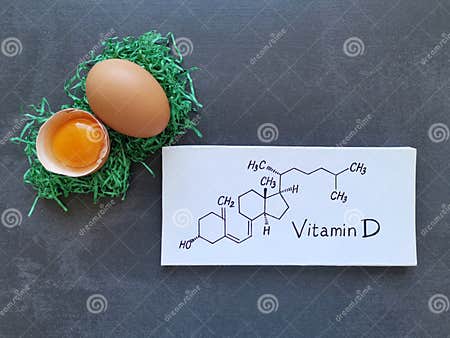
It’s a quiet little irony: many people chase vitamin D through supplements, sun-chasing rituals, or fortified products—yet the answer can be hiding in plain sight, inside a humble ingredient most households treat as everyday breakfast. Egg yolks, especially when paired with the right context of diet and sunlight, form a remarkably persuasive argument for one of nutrition’s most fascinating nutrients. And when you look closer—chemically, biologically, and culturally—the “why” becomes almost irresistible.
The Curious Connection: Why Egg Yolks Seem Too Good to Be True
A common observation follows a predictable script. Someone reads that egg yolks contain vitamin D, then raises a skeptical eyebrow: How could such a familiar food carry something so vital? The skepticism isn’t wrong. Vitamin D often feels like a nutrient you “earn” through sunshine, not something you “find” on a plate.
But the fascination deepens when you remember that vitamin D’s story is not merely about abundance—it’s about usefulness. Egg yolks naturally include vitamin D, and that matters because vitamin D is involved in orchestrating multiple systems. It influences calcium homeostasis, supports musculoskeletal integrity, and helps coordinate the immune landscape. In other words, vitamin D isn’t just a checkbox. It’s a signaling molecule with a long reach.
Egg yolks also bring an unexpected harmony: they offer nutrient density without turning meals into complicated projects. They are versatile, fast to cook, and easy to pair with other foods. That practicality makes the “perfect pair” idea feel less like marketing and more like biology meeting convenience.
Vitamin D, in Plain Terms (and Not-So-Plain Chemistry)
Vitamin D is often discussed as “one nutrient,” but it behaves like a sophisticated chemical courier. What most people call vitamin D comes in forms—commonly D2 and D3—yet its true impact depends on how the body converts it and where it is utilized.
After intake, vitamin D undergoes transformations in the liver and then again in the kidneys, eventually becoming the active form that can influence gene expression. This is where the nutrient becomes almost theatrical: it doesn’t only float around waiting to be helpful. It actively participates in cellular instruction.
When you visualize vitamin D’s structure, you can almost feel why it fits into the body’s receptor systems with such specificity. The molecule is lipophilic, meaning it prefers lipid environments—exactly the kind of setting a yolk provides.

Why Yolk Makes Sense: Fat, Absorption, and Biological Timing
Here’s a deeper reason for the yolk’s reputation: vitamin D is fat-soluble. That means it doesn’t travel as comfortably in watery digestion. Instead, it relies on dietary fats and normal digestive processes to be absorbed efficiently.
Egg yolks contain fats and other components that help vitamin D hitch a ride through the digestive system. When vitamin D is paired with lipids, the likelihood of meaningful absorption rises. This is one of those quiet biochemical truths that explains why egg yolks are not just a container for vitamin D—they’re part of the delivery mechanism.
Timing also matters. Vitamin D absorption is influenced by the overall meal composition. Eating yolks as part of a balanced plate—rather than as an isolated bite—can support steadier digestion and nutrient utilization.
So the “too good to be true” reaction becomes less surprising. The biology is simply more coordinated than it appears at first glance.
Egg Yolks as a Nutrient Multitool (Not a Single-Use Ingredient)
Egg yolks are often reduced in conversation to one headline nutrient. Yet their value is broader: they contain a respectable constellation of vitamins and minerals, and they also include compounds that support overall metabolic function. This matters because nutrition seldom works in a solitary line. Systems overlap.
For example, vitamin D interacts with calcium and phosphorus metabolism. While yolks aren’t the main calcium powerhouse, they contribute to a supportive nutrient environment. In addition, the presence of other fats and bioactive compounds helps vitamin D function as part of a larger biochemical network.
Think of yolk nutrition as a “support cast.” The star is vitamin D, but the story gains depth when the supporting characters show up too.

The Sun Factor: How Lifestyle Makes the Difference
Vitamin D is often described as a sunlight vitamin, and that’s not inaccurate. Ultraviolet exposure helps the body synthesize vitamin D. But sunlight access is uneven—seasonal shifts, latitude, outdoor schedules, and skin coverage can all change how much vitamin D you actually produce.
That’s where dietary sources like egg yolks become especially compelling. They can act like a buffer. When sunlight is limited, the body’s vitamin D reserves may depend more heavily on food intake.
In winter months or during weeks when outdoor time is reduced, yolks can provide a meaningful supplement to what your skin might otherwise manufacture. They don’t replace sunlight entirely for everyone, but they can help stabilize intake and reduce dietary gaps.
This is also why fascination persists. Vitamin D is not a one-dimensional nutrient. It sits at the intersection of environment and eating habits, reminding us that health is often a choreography rather than a single act.
Common Myths and the Realistic Balanced Perspective
One myth claims that if a food contains vitamin D, then it automatically “fixes” deficiency. Another suggests that egg yolks are universally harmful, while a third implies supplements are always superior. These simplifications can be comforting, but they rarely reflect reality.
Egg yolks can contribute vitamin D, but requirements vary by age, body composition, baseline vitamin D status, and lifestyle. Some people may need more than food alone. Others may find that yolks, combined with sunlight exposure, help them maintain healthier levels.
Also, dietary context matters. Pairing yolks with other nutrient-dense foods—such as greens, healthy fats, and sources of calcium or magnesium—can create a more coherent nutritional pattern. The body appreciates consistency more than it appreciates sporadic extremes.
The deeper truth: vitamin D is best approached as a system-level issue, not a magic ingredient.
How to Enjoy Egg Yolks While Keeping Meals Balanced
Egg yolks are easy to incorporate, yet the “how” is where results often hide. Start simple: add a yolk to breakfast, mix yolks into sauces, or use them in gentle cooking methods that preserve palatability. Pairing yolks with vegetables can create a balanced meal, offering both micronutrients and fiber.
If you enjoy experimenting, consider yolks in warm grain bowls, in custard-style dishes, or in lightly cooked recipes where textures remain satisfying. Some people prefer boiled yolks for consistency; others like them blended into omelets for a richer mouthfeel.
And if cholesterol concerns are part of your decision-making, it can help to consider overall dietary patterns—rather than treating yolk as an isolated variable. Many people benefit from moderation and individualized guidance.

Why This Pair Feels Like Nature’s Clever Design
There’s a reason “Vitamin D and Egg Yolks” keeps resurfacing in conversations. The pairing feels elegant because it aligns chemistry with practicality. Vitamin D needs the right environmental conditions in digestion, and yolks provide a natural lipid-rich context. It’s a quiet example of how evolution doesn’t just create ingredients—it crafts partnerships.
Beyond chemistry, there’s an emotional reason for fascination, too. Egg yolks are familiar, affordable, and culturally universal. The idea that something so ordinary can support a nutrient associated with sunlight, immunity, and bone health creates a kind of nutritional awe.
In the end, this “perfect pair” is not only about one nutrient. It’s about a way of eating that respects the body’s rhythms—sunlight when possible, dietary support when needed, and consistency across seasons.
Practical Takeaway: Making Vitamin D Support a Habit
If you’re aiming to strengthen vitamin D intake through food, egg yolks can be a sensible starting point. They are easy to add, naturally contain vitamin D, and fit comfortably within meals that also support absorption and overall nutrient balance.
At the same time, the most effective approach is not guesswork. If deficiency is a concern, testing and professional guidance can clarify what your body needs. Then yolks can become part of a coherent plan—one that uses nature’s tools without pretending nature provides every answer alone.
When vitamin D and egg yolks meet in a well-considered diet, the result is more than nutrition. It’s a small, daily alignment between modern life and ancient biological logic.