Imagine your lab report as a mystery novel: the “vitamin D level” is the clue everyone reads first, but the real plot twist often hides behind an unassuming character—vitamin D binding protein (VDBP). Without VDBP, the story of vitamin D would be far less coherent, and test interpretation would become a game of telephone. So here’s a playful question to start: what if two people share the same vitamin D number, yet their vitamin D availability and clinical risk are not the same?
Why VDBP Matters: More Than a Transporter
Vitamin D binding protein is a multifunctional chaperone circulating in blood. Its famous job is transportation, ferrying vitamin D metabolites through the bloodstream. Yet transport is only the opening act. VDBP also buffers bioavailability—acting like a molecular bouncer that controls which vitamin D fractions can approach receptors and participate in downstream physiology.
In practice, vitamin D in circulation is not a single uniform substance. It exists in multiple “pools,” often described as protein-bound, albumin-bound, and free (unbound). VDBP dominates the protein-bound fraction for vitamin D metabolites. Albumin contributes as well, but VDBP generally has higher capacity and affinity, shaping how much vitamin D is actually accessible at the cellular interface.
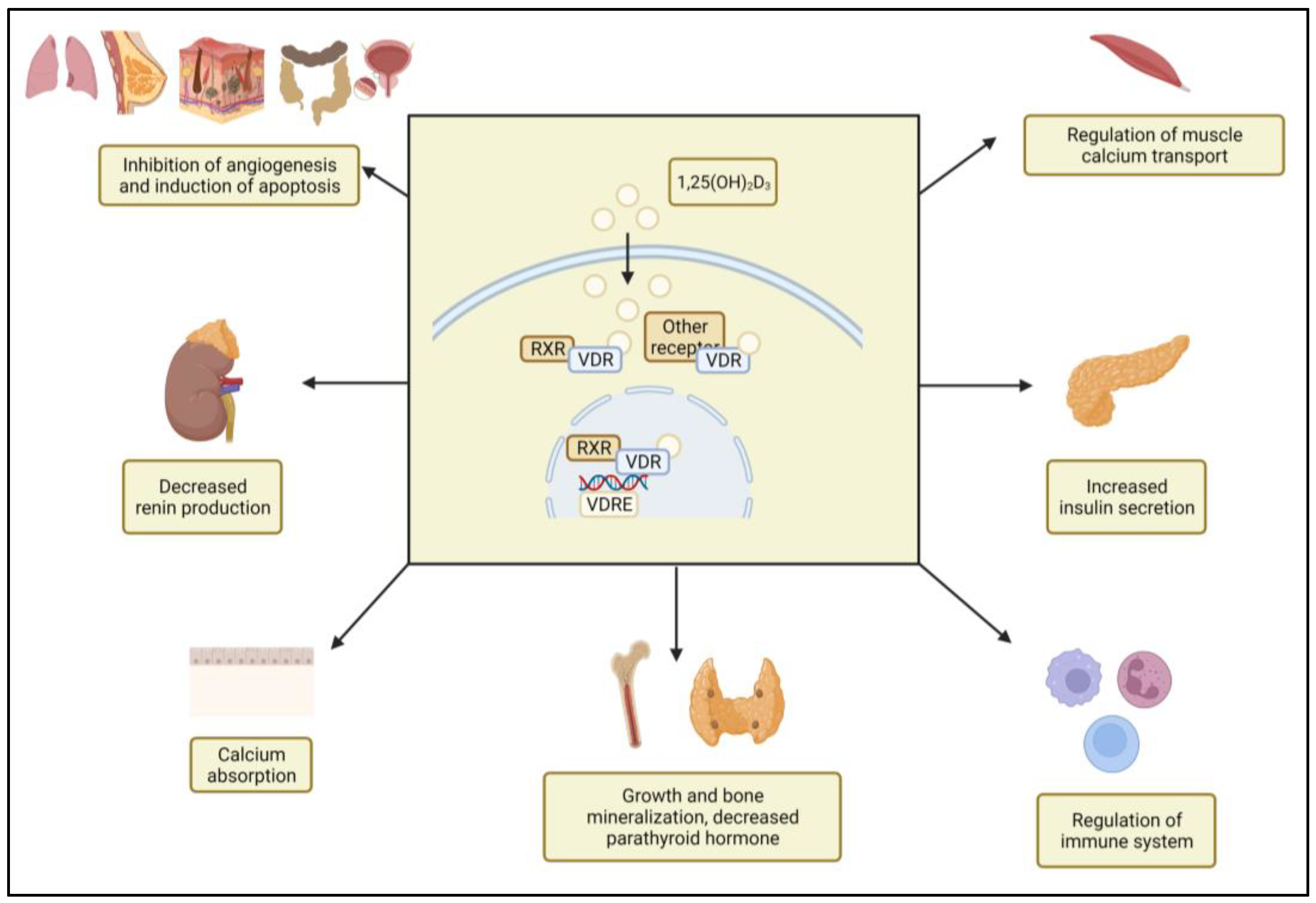
This matters because vitamin D’s biological effect is tied to the amount that can reach tissues and engage with vitamin D receptor pathways. Therefore, interpretation of a “total vitamin D” test becomes incomplete if the binding context is ignored.

Total vs. Free Vitamin D: The Interpreting Challenge
Most routine assays report total 25-hydroxyvitamin D (25(OH)D), which includes vitamin D bound to VDBP and albumin plus the small unbound portion. Many clinicians and patients implicitly treat this number as “the vitamin D that matters.” But total 25(OH)D is, in a way, an accounting ledger—it sums what is present, not necessarily what is available.
Free vitamin D (and sometimes “bioavailable” vitamin D, depending on the calculation method) is often hypothesized to better reflect functional availability. However, measuring free fractions directly is more technically demanding, and calculated estimates rely heavily on assumptions regarding binding affinities and concentrations.
Here’s the interpretive tension: a high VDBP concentration can increase total 25(OH)D while potentially leaving free/bioavailable fractions unchanged. Conversely, a low VDBP scenario may lower total 25(OH)D without proportionally reducing free vitamin D in the same way. The result is a potential mismatch between lab numbers and physiological reality.
So the challenge is not merely numeric—it is compositional. Total vitamin D can be “crowded” with bound forms, while the biologically actionable fraction remains limited or variable.
Genetic Polymorphisms: When the Same Test Hides Different Biology
VDBP is encoded by a gene with known polymorphisms. These genetic variants can alter VDBP concentration, affinity, and binding characteristics. The meaning is subtle but crucial: two individuals with identical total 25(OH)D may have different distribution between bound and free pools because their VDBP behaves differently.
This is where test interpretation becomes almost anthropological. The same biochemical marker can wear different “molecular costumes” depending on genotype. In some contexts, genetic differences may influence the relationship between measured total 25(OH)D and downstream outcomes—such as bone density, muscle function, and possibly other immune-related effects.
Clinically, this creates a scenario in which guidelines based on total 25(OH)D thresholds may be less precise for certain subgroups. It doesn’t mean the tests are useless. It means the interpretation benefits from a nuanced, individualized lens—particularly when results appear inconsistent with symptoms, comorbidities, or other laboratory markers.
Physiological and Disease States That Distort VDBP Levels
VDBP is also a protein whose concentration can shift in response to the body’s broader biological weather. Liver synthesis, inflammatory signaling, renal protein handling, nutritional status, and hormonal milieu can all affect VDBP.
For example:
- Liver disease can reduce synthesis of VDBP, potentially lowering total 25(OH)D while free or bioavailable fractions may not move identically.
- Nephrotic syndrome may cause urinary loss of binding proteins, altering VDBP concentration and the distribution of vitamin D metabolites.
- Inflammation and acute-phase changes can modify vitamin D binding dynamics.
- Pregnancy increases binding protein levels in many cases, which may elevate total 25(OH)D without guaranteeing equivalent changes in free fractions.
In each scenario, the same total 25(OH)D number can feel like a misleading compass. The “magnetic north” of biology shifts because the binding landscape changes.
Clinical Examples: Where Interpretation Can Be Trickier Than It Looks
Consider a patient with unexpectedly low total 25(OH)D but minimal clinical signs of deficiency. Or consider an individual with “adequate” total 25(OH)D who still experiences fractures, muscle weakness, or persistent bone turnover markers. These are not always straightforward. Yet VDBP provides a plausible mechanistic bridge: the distribution of vitamin D metabolites may differ from what the total concentration implies.
Another common real-world knot is vitamin D measurement during treatment. Supplementation often increases total 25(OH)D. But if VDBP concentration rises in parallel, total may climb while free/bioavailable fractions shift less than anticipated. Conversely, in states where VDBP is low, total may remain depressed even after supplementation efforts.
This can complicate threshold-based decision-making. A clinician may need to triangulate—pairing vitamin D measurements with albumin, calcium, phosphate, parathyroid hormone (PTH), renal function, and the patient’s overall clinical context.
Assay Realities: How Tests Can Mislead Without Context
Interpretation depends on what exactly is being measured and how. Most standard assays target total 25(OH)D, and differences between assay methodologies can introduce additional variability. When the binding protein environment is altered—by genetics or by illness—assays that report total can become even more difficult to “translate” into biological availability.
Direct measurement of free 25(OH)D can, in theory, provide clarity, but it may not be widely available and can be sensitive to methodological constraints. Calculated bioavailable vitamin D has its own limitations, because it requires accurate estimates of binding protein concentration and binding affinity parameters. If those inputs are uncertain, the calculation inherits that uncertainty.
Therefore, VDBP’s role becomes an interpretive lens rather than a single measurable number in everyday practice. It pushes clinicians to ask: Is the reported value reflecting availability, or merely abundance in a particular biochemical compartment?
Practical Takeaways: A More Sophisticated Reading of Vitamin D Results
VDBP does not invalidate vitamin D testing. It elevates the interpretation process from single-number reading to systems thinking. The most pragmatic approach involves:
- Viewing total 25(OH)D as a composite marker—useful, but not always synonymous with “functional availability.”
- Considering albumin and clinical context to assess how binding dynamics may influence the test result.
- Accounting for conditions affecting binding proteins (hepatic, renal, inflammatory, pregnancy-related, or nutritional contexts).
- Using corroborating labs such as calcium, phosphate, and PTH when the picture seems inconsistent.
- Recognizing that genotype may shift the interpretation curve in certain populations.
In other words, VDBP invites a more nuanced narrative: vitamin D status is not just a measurement, but a relationship between molecules and proteins. The “value” on the report is a snapshot, while VDBP determines how faithfully that snapshot mirrors biology.

Closing Thought: The Binding Protein as the Hidden Editor of the Story
Vitamin D binding protein can be thought of as an editor—shaping which lines (vitamin D fractions) are most visible and which remain backstage. When interpreting vitamin D tests, especially when results conflict with clinical symptoms or comorbidities, it becomes wise to remember that the assay number may not fully disclose the distribution of vitamin D across functional compartments.
So the playful question returns, now with sharper edges: if your vitamin D result looks “normal,” have you checked whether VDBP is giving you a true view—or a beautifully framed illusion?