Vitamin D is sometimes described as the “sunshine vitamin,” yet that phrase can be misleading. Sunshine is only the delivery system; the real story happens inside your body, where vitamin D supports immune choreography, calcium orchestration, and even the cellular conversations that affect fertility and pregnancy. If you’ve ever wondered whether your levels are speaking clearly—or whispering in deficit—you’re already halfway to the answer. Talking to your OB-GYN about vitamin D testing can feel daunting, but it doesn’t have to. A good conversation is like a well-tuned instrument: when the right questions are asked, the results become far more meaningful.
Arrive with a clear intention: testing as “information,” not as “interrogation”
Start by framing your goal. Rather than approaching vitamin D testing as a verdict, treat it as data—an infrared scan for what’s happening beneath the surface. You can say something like, “I’d like to understand whether my vitamin D status is adequate for my health goals.” Short and steady. Then add a second sentence that signals collaboration: “If it’s low, I’d like to discuss a plan tailored to me.”
OB-GYNs tend to respond well to this tone. It implies you want clarity, not conflict. It also invites them to participate in clinical reasoning. Bring the mindset of a navigator: you’re asking for a map, not blaming the sea.

Know the context: pregnancy, fertility, and general well-being change the conversation
Vitamin D needs can shift across life stages. If you’re trying to conceive, already pregnant, or managing a health concern, mention that timeline early. Your OB-GYN may connect vitamin D status to broader themes such as musculoskeletal comfort, immune balance, and metabolic health. Pregnancy is not just a condition; it’s a dynamic reallocation of resources. Vitamin D often becomes part of that logistical puzzle.
Use precise language. Try: “I’m [trying to conceive / pregnant / planning / postpartum], and I want to ensure my vitamin D isn’t a hidden bottleneck.” Then pause. Let the clinician guide the next step. In medicine, timing matters—the test and the interpretation are often intertwined.
Explain why you’re asking: sunlight exposure, skin tone, seasonality, and lifestyle factors
Vitamin D doesn’t arrive by intention alone. It depends on sunlight exposure, geographical season, skin pigmentation, clothing habits, sunscreen practices, and body composition. If your days are mostly indoors, if you rarely get direct sun, or if you use full-coverage clothing, those details are clinically relevant. Share them without apology.
You might say: “I’m in the shade for much of the year,” or “My routine includes a lot of indoor time.” If that’s true, say it plainly. Long sentences aren’t always necessary, but context is powerful. Even a brief list helps your OB-GYN connect the dots faster.
Ask the right question about the test: “Which vitamin D marker would you check?”
When vitamin D is evaluated, clinicians typically look for a specific blood marker. The phrase you want is usually straightforward—ask about the “25-hydroxy” vitamin D level. You can keep it simple: “Could we check my 25-hydroxy vitamin D level?”
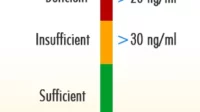
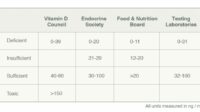
If you’re uncertain, it’s acceptable to ask for clarity. Medicine can sound like another language until you ask someone to translate. A good follow-up is: “What result range do you consider sufficient, and how would that change your recommendations?” That question turns testing into actionable knowledge rather than a number pinned to a chart.

Bring symptoms and concerns—without letting them steer the narrative alone
Vitamin D deficiency can be subtle. Some people experience bone or muscle aches. Others notice fatigue, low mood, or decreased resilience. Not every symptom means vitamin D is the culprit, but your lived experience can still guide appropriate evaluation.
Offer symptoms as a timeline: when they began, whether they fluctuate, and what improves or worsens them. Then anchor it with a rational question: “Would it make sense to test vitamin D given my symptoms and risk factors?” This protects the conversation from going purely anecdotal while still respecting your observations.
Short sentence strategy works here. “I’ve had [X] for [Y] months.” Then let the clinician do the diagnostic weaving.
Discuss medical history that can influence vitamin D status
Certain conditions and medications can affect vitamin D absorption or metabolism. If you have a history of malabsorption, bariatric surgery, inflammatory bowel disease, chronic liver or kidney issues, or if you take medications that interfere with vitamin D pathways, disclose it. This isn’t about providing every detail. It’s about giving your OB-GYN the essential clues.
Try: “I have [condition/medication], and I’ve read it can impact vitamin D. Should we test or adjust my plan?” This positions you as informed and proactive. It also invites the clinician to confirm whether testing is warranted and whether additional labs should be considered.
Ask how results will shape a personalized treatment plan
Testing is only meaningful if it leads somewhere. Request the “what next” conversation. You can ask: “If my vitamin D is low, what dosage strategy do you typically use, and how do you monitor response?” Follow with: “Would you prefer daily supplementation, a higher-dose approach, or something else?”
Also ask about re-testing intervals. “When should we repeat the level?” helps you plan and prevents the common problem of a result that never becomes a plan.
Even if your level is adequate, your OB-GYN can recommend maintenance strategies. Vitamin D isn’t a one-time answer; it’s a seasonal system, like a garden that needs both watering and timing.
Consider safety and balance: calcium, kidney health, and long-term supplementation
Vitamin D and calcium often share the same stage, because vitamin D supports calcium absorption. If you’re already taking calcium supplements or have dietary patterns that are high or low in calcium, mention that. If you’ve had kidney stones, kidney disease, or issues with mineral balance, disclose it. Your clinician may tailor recommendations accordingly.
Ask about safety boundaries with the calm confidence of someone planning rather than panicking. A helpful question is: “What’s the safe upper range for me, and what side effects should I watch for?” This keeps the plan grounded and individualized.
Prepare for practical logistics: timing, fasting, insurance, and documentation
Testing logistics matter more than people think. Ask whether you need any special preparation, and confirm which lab is used. Some offices can arrange lab orders quickly; others require scheduling. If insurance is a concern, ask whether the test requires specific diagnosis coding or documentation of risk factors.
Bring your questions to the appointment in a small list. In conversation, lists act like scaffolding—they hold your thoughts upright when nerves try to wobble them.
Use a conversation-close that ensures follow-through
End with a summary statement that signals you’re ready to act on the answers. For example: “So our plan is to test my 25-hydroxy vitamin D level, interpret it against your target range, and then decide on supplementation and a recheck date.” Short, crisp, and complete.
If you don’t get all the details in one visit, that’s not failure. Ask when you should expect the results and how you’ll receive recommendations. “Can we review the result together, and what should I do before the next step?”
Talking to your OB-GYN about vitamin D testing can be as simple as asking a few incisive questions and giving honest context. Think of the appointment like opening a window: you let in sunlight—then you measure what the light actually delivered. Once you have that picture, your health decisions become less mysterious and far more navigable.