Sunlight is a language the body understands, but it speaks in accents shaped by geography. In Florida and Minnesota, the sun is the same bright composer—yet the score it writes across the sky is profoundly different. Latitude acts like a silent editor, nudging the angle, intensity, and timing of vitamin D–producing UVB rays. The result is a seasonal, sometimes dramatic story: two states, two rhythms of exposure, and two distinct ways the skin becomes a biochemical workshop.
Latitude as a Sunlit Compass
Latitude is not merely an address on a map. It is a thermal and optical choreography that determines how efficiently UVB photons can trigger vitamin D synthesis in the skin. Think of UVB as a key, and skin as a lock. At lower latitudes, the key often turns more smoothly—winter sunlight can still carry enough “turning torque” to activate vitamin D production. As you move north, sunlight arrives more slanted, dispersing across a larger atmospheric volume. The rays lose their potency, and the lock grows harder to open.
Florida sits closer to the tropicward zones, where the sun’s angle is frequently steep enough for UVB to penetrate effectively. Minnesota, positioned farther north, lives with a low-arc sun for much of the year. Even during seemingly bright days, the “useful beam” for vitamin D can be markedly reduced. This is why latitude can feel like destiny—even when the sky looks generous.
The Geometry of Light: Angle, Atmosphere, and the UVB Effect
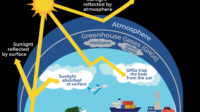
Imagine the atmosphere as a vast foggy lens. When the sun is high in the sky, its light travels a shorter path through that lens. UVB photons survive the journey more often. When the sun is low, the path length increases, and UVB is more likely to be scattered, absorbed, or diluted before it reaches skin.
Florida’s higher sun angles mean a more frequent alignment between daylight and productive UVB exposure. Minnesota’s sun angles—especially in autumn and winter—push UVB levels downward, even if people are outdoors. The body can still receive UVA (the light associated with skin aging), but UVB—the specific messenger for vitamin D synthesis—may be insufficient.
This is the paradox of northern climates: the day can look luminous while vitamin D signaling remains underpowered.
Seasonality: Florida’s Flicker vs Minnesota’s Fallow Seasons
In Florida, vitamin D synthesis often persists through much of the year, though it can still vary based on clouds, time of day, skin coverage, and lifestyle. The seasons are more like changes in volume rather than full musical pauses. For many residents, the body has more opportunities to “top up” vitamin D during sunlit months.
Minnesota, by contrast, experiences months that can feel like vitamin D drought. During winter, UVB can be so limited that skin production becomes negligible. Even outdoor life—walking, commuting, playing—may not provide the UVB threshold needed for meaningful synthesis. It’s not that people never see the sun; it’s that the sun doesn’t deliver the right molecular emphasis.
When the seasons rotate, vitamin D status often becomes a ledger that either grows steadily or accrues a deficit. Latitude determines how dramatic that ledger can become.
Time of Day and Skin Surface: The Practical Theater of Exposure
Vitamin D synthesis isn’t only about latitude; it’s also about the clock. UVB intensity typically peaks when the sun is highest—often near midday. A Florida resident sunbathing at noon may trigger meaningful vitamin D production more reliably than a person who spends the same minutes earlier or later in the day.
Skin surface matters too. Darker skin pigmentation contains more melanin, which can reduce UVB penetration. Sunscreen also plays a complex role: while it protects against harmful UV exposure, it can reduce UVB reaching the skin. This doesn’t make sunscreen “bad,” but it changes the vitamin D equation. People with higher sun protection needs may have to consider alternative strategies to maintain vitamin D status.
In Minnesota, these variables become especially important. If UVB levels are already low due to season and angle, small changes—like being outdoors in the morning instead of midday, or wearing more coverage—can further reduce vitamin D synthesis.
Clouds, Humidity, and Atmospheric Clutter
Weather is the plot twist that makes everyday life less predictable. Cloud cover can reduce UVB significantly, even when daylight appears bright. Humidity and particulate matter can also alter the amount and quality of UV reaching the surface. Coastal regions can feel sunny, but clouds and sea air can still dilute UVB.
Florida’s frequent sunshine is an advantage, yet storms and cloud bands can intermittently mute the UVB signal. Minnesota’s winter landscape can look crystalline and clean, but seasonal solar geometry still constrains UVB output.
So latitude sets the stage, while weather adjusts the script—sometimes subtly, sometimes dramatically.
The Human Lifestyle Factor: What People Actually Do Outdoors
Latitude may influence vitamin D potential, but human behavior determines vitamin D reality. Florida’s outdoor culture—beach time, walking routines, patio life—can increase cumulative UV exposure. Minnesota’s lifestyle may be more seasonal: more outdoor time in summer, with longer indoor stretches in winter.
Even similar schedules can yield different results. A summer weekend in Minnesota might provide enough UVB to support production for some individuals, while a similar weekend in winter likely won’t. In Florida, outdoor time may span more months with at least intermittent productive UVB.
Consider vitamin D as a savings account: latitude sets the interest rate, but daily habits decide how much gets deposited.
Implications for Athletes and Active Adults
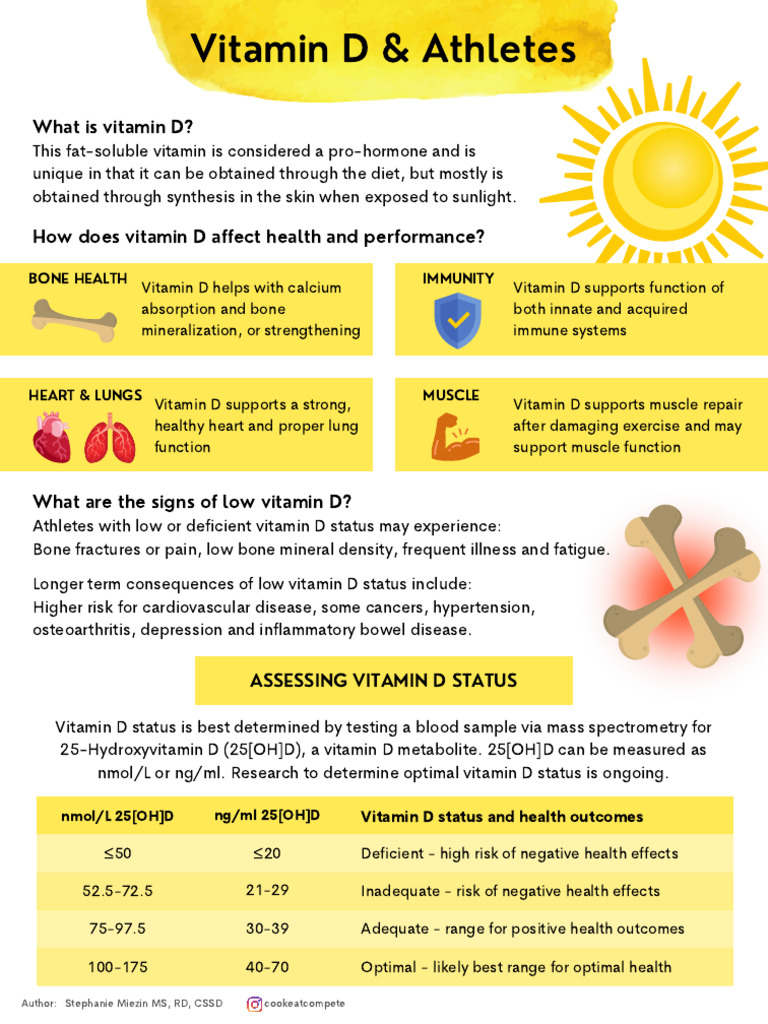
For athletes, the body is often treated like an engine—optimized, fueled, maintained. Vitamin D supports bone health and muscle function pathways, and its deficiency can undermine training and recovery indirectly. In Florida, consistent year-round sun exposure may reduce the likelihood of severe deficiency for some people, though indoor training, sunscreen habits, and clothing choices can still matter.
Minnesota athletes may face a different challenge: winter training often happens indoors, and reduced UVB may limit natural vitamin D synthesis. For those who train through colder months, vitamin D status can become a strategic consideration rather than a casual concern.
The appeal here is clarity. Latitude helps explain why the same training regimen might produce different nutritional “gaps” depending on geography.
Metaphor of the Skin Workshop: From Sun Rays to Chemical Signals
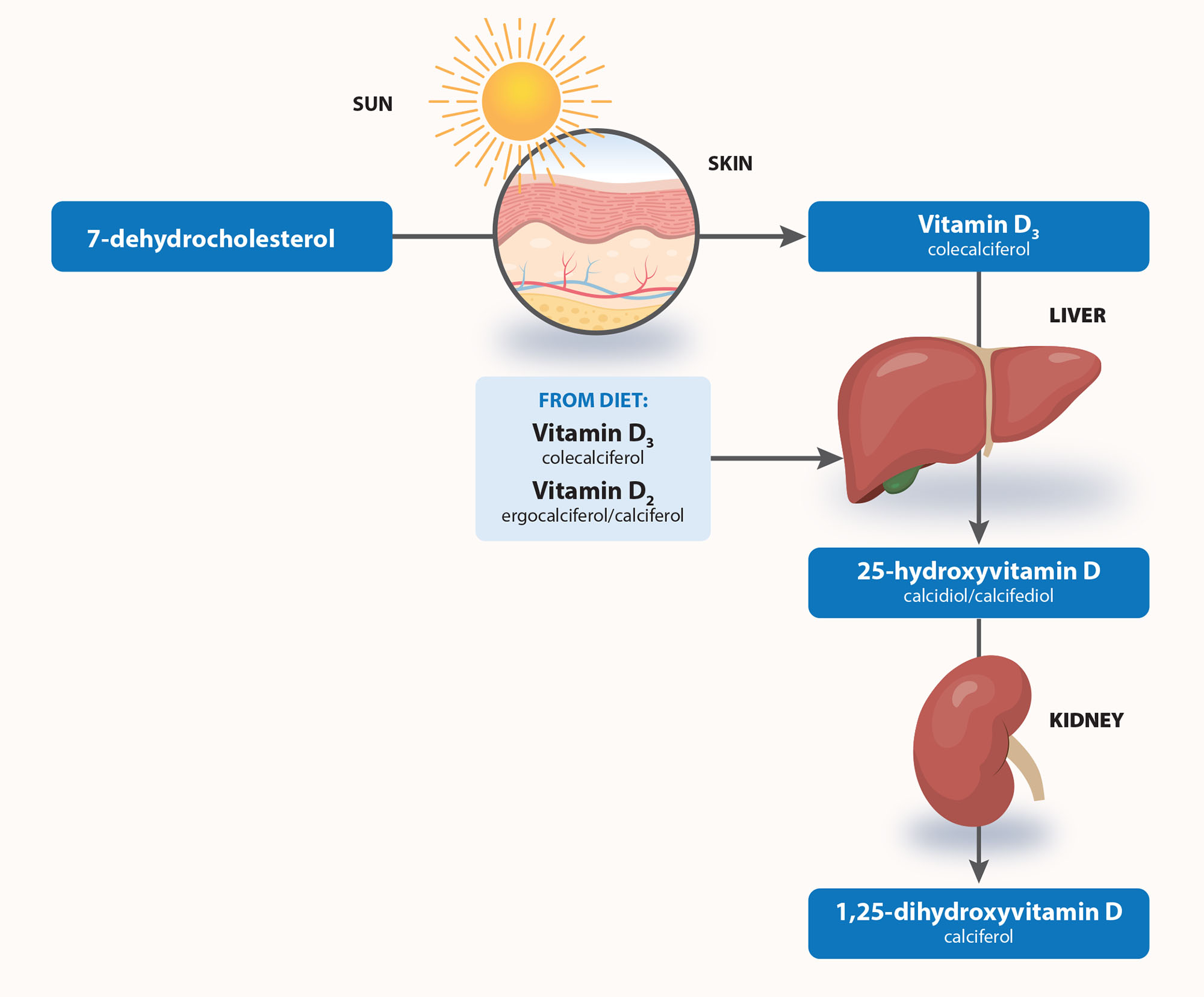
Picture your skin as a solar-powered studio. UVB photons are the sparks that ignite a chain of chemical conversions. In Florida, the sparks are more frequent, the ignition more dependable, and the studio stays warm. In Minnesota, the studio may still be ready, but the sparks arrive less often—especially in winter—so production slows or pauses.
This metaphor matters because it reframes the issue. The question isn’t whether vitamin D is “good” or “bad.” It’s whether the environment provides enough ignition energy for the body’s internal manufacturing line.
Images of Latitude in Action
Seeing the geometry helps the concept settle into memory.

Supplementation vs Sun: Balancing Protection and Production
In regions where UVB is reliably weak—particularly in Minnesota winters—supplementation can become a practical bridge. The goal is not to replace sun altogether, but to reduce the risk of persistent deficiency when latitude and season limit natural synthesis. Florida may require less frequent intervention for many people, yet sunscreen use, indoor lifestyles, and individual skin characteristics still create variability.
Choosing between sun exposure and supplementation is really about risk management. UV exposure has benefits, but it also carries real hazards. A thoughtful approach respects both the need for vitamin D and the importance of skin protection.
The Unique Appeal of Each State’s Vitamin D Narrative
Florida’s appeal is the continuity: sunlight often remains a reliable partner, and vitamin D synthesis can be supported across longer stretches of the year. Minnesota’s appeal is the contrast: the seasonal shift makes vitamin D needs feel more conspicuous, more measurable in lived experience. People notice the transition—from summer brightness to winter dimness—and the body’s chemistry can mirror that change.
Latitude doesn’t just dictate UVB availability; it shapes how people perceive their health. One place can feel like a steady glow, the other like a chaptered story with darker interludes. And in both settings, the sun remains a powerful, elegant variable—turning geography into biology.