For years, vitamin D has carried a comforting promise: the sunshine supplement. People imagine that if a little light is good, then more light must be better—an almost alchemical belief that strength, immunity, and mood will multiply in proportion to the dose. But biology is not a vending machine. It is a finely tuned orchestra, and vitamin D toxicity is what happens when one instrument overpowers the rest. In this reality check, the myth of “more is better” unravels—quietly at first, then unmistakably, like a clock running too fast.
Vitamin D: The Sun’s Message, Not a Blank Check
Vitamin D is often described as a “vitamin,” yet it behaves more like a hormone—commanding systems rather than merely adding nutrients. After your body makes or absorbs it, vitamin D is converted into active forms that regulate calcium balance, bone remodeling, and immune signaling. That means timing, quantity, and regulation matter.
Think of vitamin D as a skilled conductor. When the conductor is present in the right tempo, the orchestra sings. When the conductor arrives with a megaphone and refuses to lower the volume, chaos follows. The myth of “more is better” ignores the conductor’s need for nuance. Your body does not absorb an endless supply of “just in case” vitamin D without consequences.
The Quiet Path to Toxicity: How “Extra” Becomes Excess
Toxicity doesn’t usually appear overnight. It accumulates—sometimes through high-dose supplements, sometimes through accidental overcorrection, and sometimes through a confusing mix of products. Many people don’t realize that vitamin D is fat-soluble. That single detail changes the entire narrative. Fat-soluble substances linger, storage compartments acting like quiet vaults.
So while a daily dose might feel harmless, the body can slowly stockpile it. Over time, the “extra” can become a slow-building tide. And like any tide, it eventually reaches a point where it no longer behaves gently.
If you’re taking vitamin D, it’s crucial to consider your total intake from all sources: multivitamins, standalone D3, gummies, drops, and fortified foods. Even well-intentioned stacking can drift toward a threshold that the body cannot comfortably manage.
Calcium’s Domino Effect: The Real Culprit Behind Symptoms
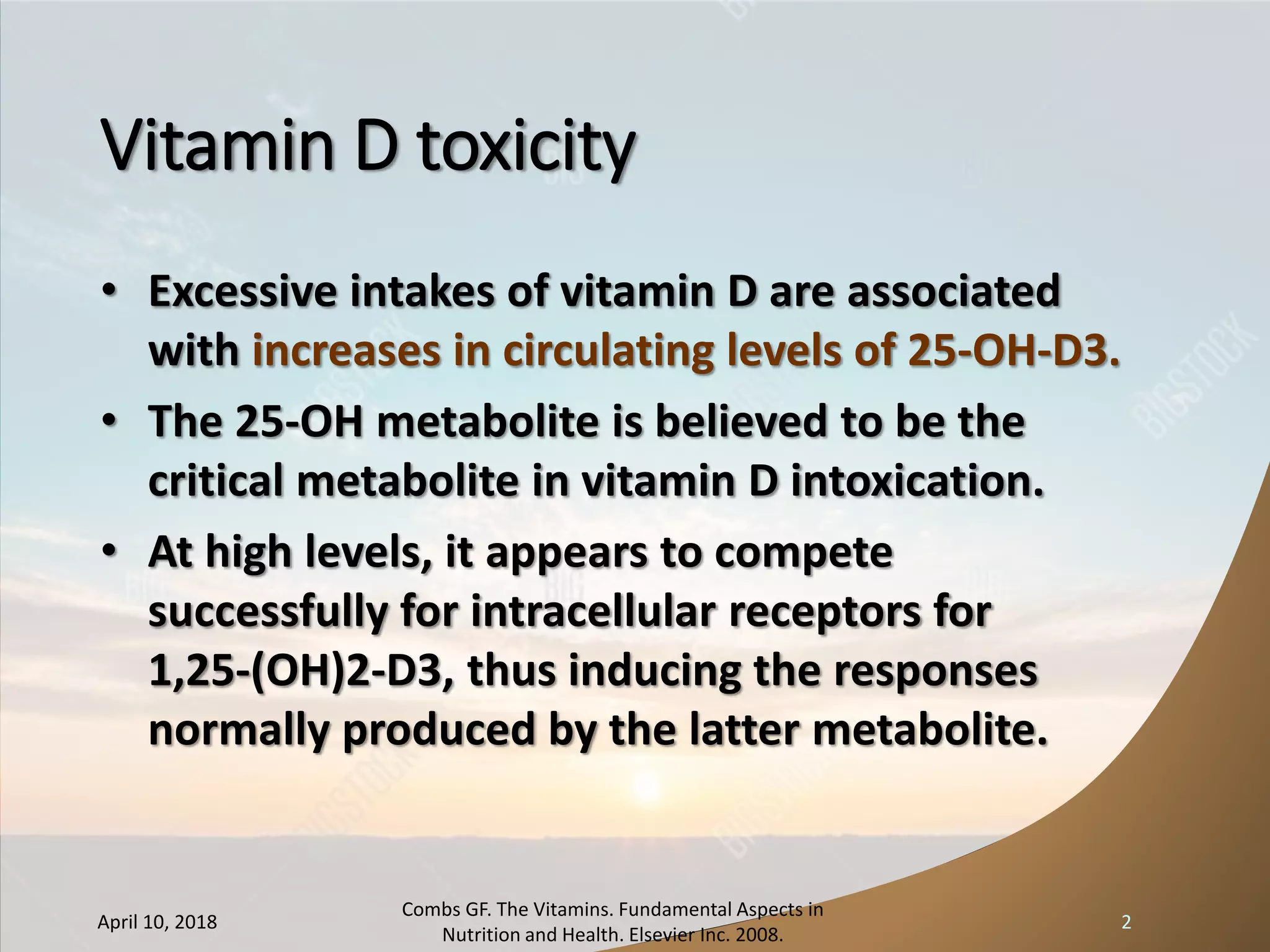
Vitamin D’s most dramatic downstream influence is calcium. Activated vitamin D increases calcium absorption in the gut. When vitamin D overshoots, calcium can rise beyond what the body can tolerate.
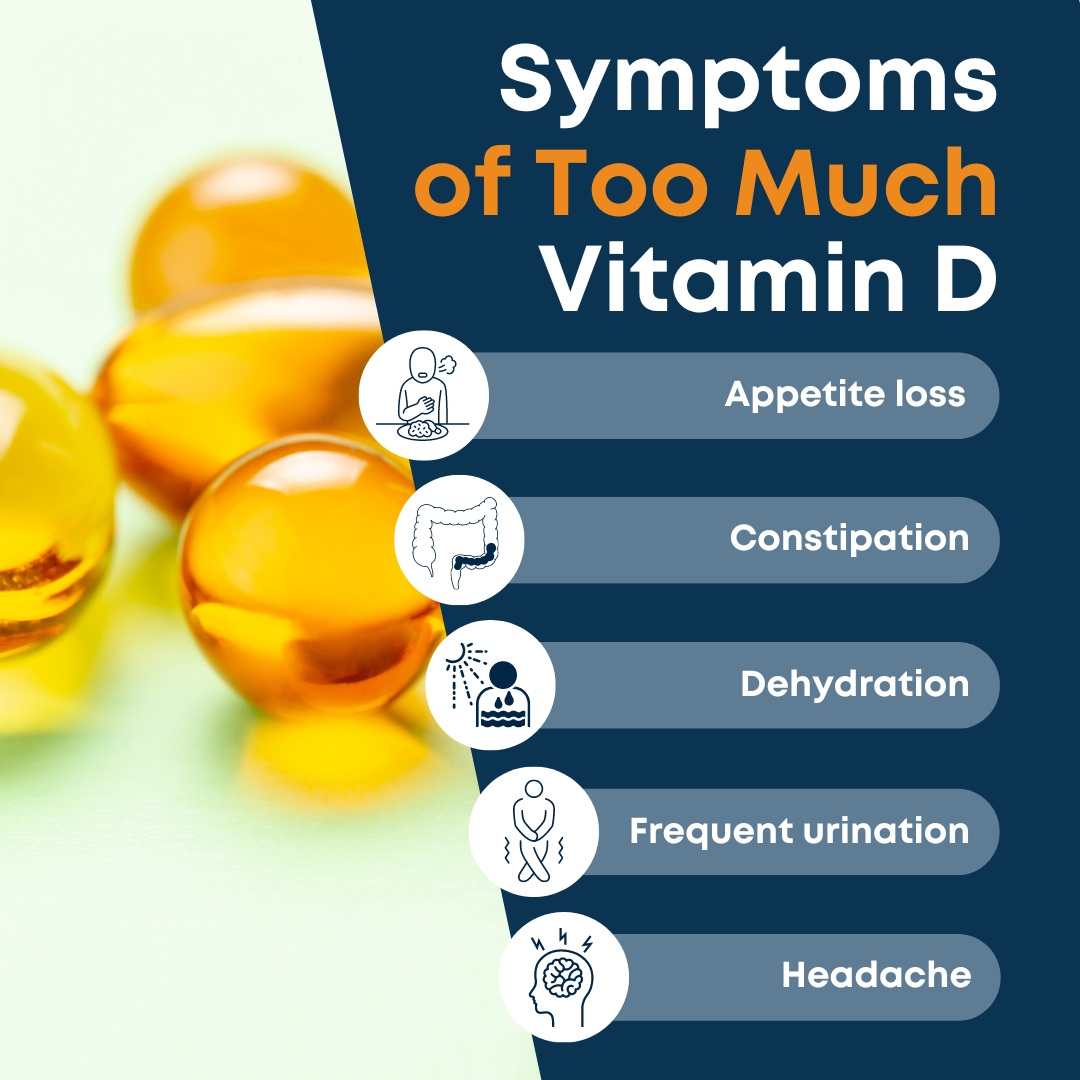
That’s where the symptoms often emerge. Elevated calcium—hypercalcemia—can irritate the digestive tract, disturb the nervous system, and strain the kidneys. Your body may signal distress with fatigue that feels oddly heavy, nausea that creeps in like an unwelcome guest, and constipation that turns routine discomfort into persistent annoyance.
Some people experience excessive thirst and frequent urination. Others notice muscle weakness or confusion—symptoms that can sound nonspecific, yet they often share a common biochemical gravity. It’s as if the body is trying to dial down a thermostat that won’t stop climbing.
Who’s at Risk? Vulnerability Isn’t Just a Number
Not everyone responds to supplements the same way. Risk can increase with certain medical conditions and biological sensitivities. People with kidney disease may be less able to process calcium efficiently. Those with certain granulomatous diseases—where the immune system can generate extra activation pathways—may be more prone to vitamin D excess.
There’s also a practical risk: the “therapeutic echo” effect. Someone might begin a high dose under one plan, then continue it without reassessment after symptoms improve. Or a person may follow multiple recommendations from well-meaning sources, each reasonable in isolation, but excessive in total.
Age can matter too. Older adults sometimes have different absorption patterns, medication interactions, and kidney performance changes. In other words, risk is not a monolith; it’s a mosaic.
Signs and Signals: What Toxicity Can Feel Like in Real Life
Toxicity often announces itself through a cluster of symptoms. Early on, it may appear as vague malaise: tiredness, reduced appetite, and a dull sense of unwellness. Then it can intensify into more obvious gastrointestinal issues such as vomiting or abdominal discomfort.
As calcium rises, hydration signals may become pronounced. You might feel persistently thirsty, urinate more often, or experience dehydration even while drinking. The kidneys—highly sensitive to calcium load—can become stressed.
Neurologically, some people experience headaches, irritability, or confusion. In more severe cases, toxicity can affect heart rhythm and overall stability. The body’s message becomes less like a whisper and more like an alarm bell.
/symptoms-of-too-much-vitamin-d-5105134_final1-eb2f19a74bd54a80950644df25ccb5b2.png)
Metabolism Isn’t Magic: Time, Dose, and the Dose-Response Reality
The myth of “more is better” relies on a misleading idea: that the body will simply use what it doesn’t need and discard the rest. But vitamin D is processed through a pathway with room for regulation and—eventually—failure. Your body can convert and activate vitamin D up to a point, and then the balancing act begins.
Time matters because the compound can accumulate. Dose matters because absorption and activation are not linear in a way that guarantees safety. Even seemingly modest high-dose regimens can become problematic when continued long enough.
In practical terms, it’s not just the number on the label; it’s the context in which that number lives.
The Hidden Traps: High-Dose “Fixes,” Stacking, and Misinterpretation
One of the most common traps is the “deficiency panic.” When a lab result appears low, some people respond by jumping directly to high doses, assuming immediate correction will be harmless. But vitamin D repletion is more like seasoning soup than adding salt directly into the ocean. It requires gradual calibration.
Another trap is stacking. Gummies alongside drops. A multivitamin plus a separate vitamin D supplement. Often, the total intake surpasses what any single product implied. People may also interpret “natural” as automatically safe, forgetting that nature’s strength can still become excess.
There’s also the interpretation problem: measuring vitamin D without addressing calcium-related outcomes. Sometimes vitamin D levels alone don’t tell the full story of how your body is behaving under a particular regimen.
How Safety Is Actually Managed: Testing, Monitoring, and Practical Limits
Safe supplementation is not about fear—it’s about measurement. If you’re taking vitamin D regularly, periodic monitoring can clarify whether your regimen is supporting balance or pushing toward excess. Clinicians often consider both vitamin D status and calcium levels, especially when higher doses are used or prolonged.
Adjustments can then be made with precision rather than guesswork. That’s the difference between flying blind and navigating by instruments.
If symptoms suggest toxicity, the priority is medical evaluation. Stopping unnecessary supplements is often part of the approach, but decisions should be individualized based on labs and overall health.
Myth vs. Reality: The Narrative Shift That Changes Everything
The myth frames vitamin D as a reward you can earn in larger doses. The reality frames it as a relationship that requires restraint. Sunlight is variable; your body evolved for that variability. Supplementation, in contrast, can become a steady flood.
More is not automatically better. Sometimes more is merely louder. And if you listen closely, the body tells you when the volume is too high.
Vitamin D toxicity is not a rare fairy tale. It’s a plausible consequence when dosing drifts away from biological tolerances. The unique appeal of learning this lesson is not just prevention—it’s empowerment. You gain a more elegant understanding of how your body regulates calcium, how it stores fat-soluble substances, and how “help” can invert into harm.
Choosing Wisely: A Sunnier Plan Without Overshooting
If you want vitamin D for bone health, immune support, or general wellness, build a plan that respects the body’s logic. Use appropriate dosing, avoid unnecessary stacking, and reassess after a period of time. When possible, connect supplementation to lab results and symptom context rather than intuition alone.
Picture vitamin D not as a trophy you accumulate, but as a signal you fine-tune. The healthiest strategy is rarely the most dramatic one. It’s the steady, calibrated one—where light supports life, and life does not have to fight back.