Picture this: you’ve settled into a soothing breastfeeding rhythm, baby is latched, and you’re finally breathing easier—until a tiny thought taps your shoulder. “Am I getting enough vitamin D… and is my baby getting it too?” It’s a small question, but it can unravel into a surprisingly knotty challenge: different recommendations for mothers and infants, variable sun exposure, and the way vitamin D status is affected by diet and skin tone. Let’s untangle it—carefully, clearly, and with practical dosage guidance for both you and your little one.
Why Vitamin D Matters During Lactation
Vitamin D isn’t just a “bone vitamin.” It functions more like a hormonal regulator, nudging calcium absorption and supporting musculoskeletal health. During breastfeeding, your body’s priorities are intense: milk production, immune buffering, and maternal recovery all compete for resources. Vitamin D contributes to maintaining your own calcium balance and may help reduce the risk of deficiency-related symptoms such as fatigue, muscle aches, or general malaise.
For baby, the stakes can feel even sharper. Newborns and young infants have limited ability to synthesize vitamin D efficiently from sun exposure. Their developing skeleton and immune function rely on adequate vitamin D levels to do their job properly. When maternal intake is insufficient, breastfed infants may still need supplementation to ensure consistent vitamin D supply.

The Playful Bottleneck: Sunlight Isn’t Always Reliable
Here’s the playful twist—sunlight is often treated like a dependable vitamin dispenser. In real life, it’s more like a capricious DJ. Season, latitude, cloud cover, time of day, sunscreen use, clothing coverage, and skin pigmentation all influence how much vitamin D your body can make.
So if you’re breastfeeding indoors most of the day, working in a windowless routine, or living in a region with limited UVB exposure during parts of the year, your vitamin D synthesis may be inconsistent. Even if you do get some sun, the amount can be highly variable. That variability can set the stage for deficiency in both mother and baby—particularly when dietary vitamin D intake is modest.
That’s why dosage planning is so important: it’s not about being “perfect,” it’s about being predictable.
Maternal Dosage: How Much Vitamin D Should a Breastfeeding Mom Take?
In typical situations, many breastfeeding mothers are advised to take vitamin D 600 IU (15 mcg) daily. This aligns with widely used nutritional targets for adults and helps maintain adequate maternal levels that support overall health.
However, deficiency is common enough that some moms need higher dosing. When a clinician suspects low vitamin D status—through symptoms, risk factors (such as limited sun exposure), or lab testing—dosage may be adjusted upward. A common approach is to confirm with a blood test such as 25-hydroxyvitamin D, then tailor the dose accordingly.
If your clinician recommends a specific plan, follow it closely. Vitamin D is fat-soluble, meaning your body stores it; that storage is useful, but it also means “more” isn’t always “better.” If you take supplements, avoid stacking multiple products unintentionally.
Infant Dosage: What Vitamin D Should Baby Receive?
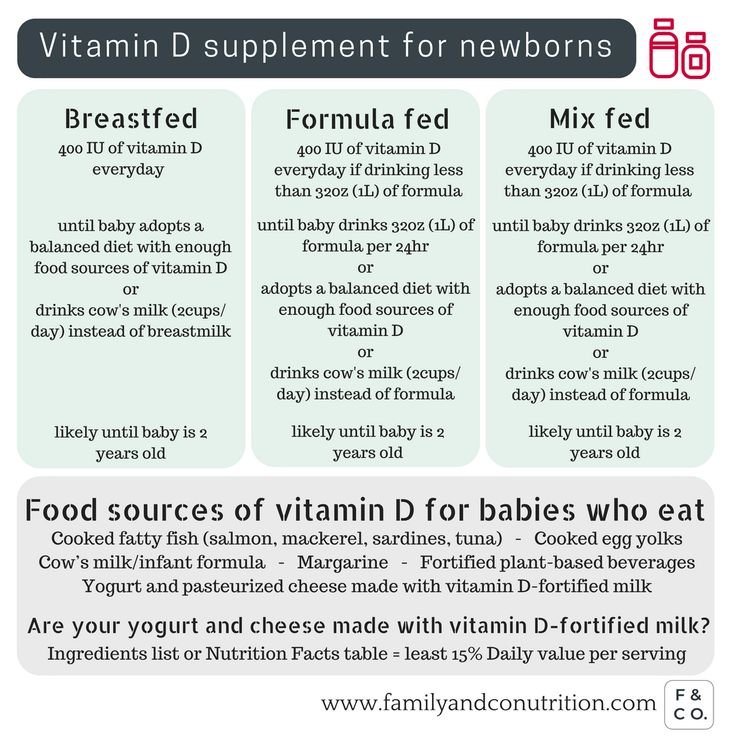
For breastfed infants, the usual recommendation is vitamin D 400 IU (10 mcg) daily as a supplement. This is often given starting soon after birth, continuing through at least the first year. The logic is simple: breast milk is an excellent source of nutrition, but it usually contains not enough vitamin D to meet an infant’s needs on its own.
If baby is formula-fed, the situation can differ because many formulas are fortified with vitamin D. Still, breastfeeding exclusivity tends to trigger the need for a reliable infant vitamin D supplement, regardless of maternal dosing.
A helpful mental model: your vitamin D supports your own health; baby’s vitamin D is handled with a dedicated infant dose to ensure consistency.

Breastfeeding Mother + Baby Together: Does Maternal Vitamin D Replace Infant Drops?
This is the question many parents ask at 2 a.m., when baby is feeding and time feels elastic. The answer is nuanced. While adequate maternal vitamin D can improve the vitamin D status of breast milk to some degree, recommendations for infant supplementation are usually maintained because they aim for dependable intake regardless of variability in maternal status, sun exposure, and milk composition.
In most routine breastfeeding guidance, infant vitamin D supplementation remains recommended even when the mother takes her own vitamin D. That means you and baby often use vitamin D in parallel—your dose supports your body; baby’s dose supports baby’s baseline requirements.
If you’re considering a more aggressive maternal dosing strategy to influence milk vitamin D levels, this should be discussed with a healthcare professional, ideally with labs to reduce uncertainty.
Choosing the Right Supplement: Drops, Capsules, and Consistency
Vitamin D supplements come in different forms, and the easiest option depends on your household rhythm. For infants, vitamin D is typically provided via liquid drops, designed for accurate daily dosing. For mothers, vitamin D is commonly available in softgels, tablets, or gummies (though not all gummies provide meaningful doses).
When selecting any product, pay attention to the stated amount in IU and confirm the dosing instructions. A tiny misread can produce a big dosing gap over weeks.
Then there’s the behavioral challenge: remember it every day. Many parents attach vitamin D to an established routine, such as pairing your own dose with a morning meal and pairing baby’s drops with the first feeding of the day. Habit beats intention.
Potential Risks and When to Check Labs
Vitamin D deficiency can be subtle. It might show up as persistent fatigue, muscle weakness, or diffuse aches—symptoms that can be mistaken for postpartum recovery or sleep deprivation. Because these signs overlap with other postpartum experiences, lab testing can be clarifying.
Risk factors for low vitamin D include minimal sun exposure, darker skin pigmentation, higher body weight, dietary insufficiency, malabsorption conditions, and certain medications. If any of these apply, ask your clinician whether testing makes sense.
On the flip side, excess vitamin D can lead to elevated calcium levels and associated symptoms. That doesn’t mean “stop trying.” It means dosage should be purposeful, and any higher-than-standard regimen should be guided by a clinician.
Special Circumstances: Prematurity, Skin Care, and Medical Guidance
Some babies—especially those born prematurely—may have individualized vitamin D needs. Likewise, mothers dealing with specific medical conditions, bariatric surgery history, kidney disease, liver disease, or endocrine disorders may require tailored plans.
Skin care choices can also affect vitamin D synthesis. Sunscreen is excellent for preventing harmful UV exposure, but it can reduce vitamin D production from sun. If sunscreen is part of your routine (often a smart decision), supplementation becomes even more important.
When circumstances are special, individualized guidance is not an obstacle—it’s a precision tool.
A Simple Roadmap for Dosage (Mom and Baby)
To keep things steady, here is a practical baseline most breastfeeding families aim for:
For breastfeeding moms: often 600 IU (15 mcg) daily, adjusted if deficiency is confirmed.
For breastfed infants: often 400 IU (10 mcg) daily as drops.
From there, consistency matters more than complexity. Daily dosing, correct measurement, and periodic professional check-ins—especially if symptoms persist or risk factors are present—form the backbone of a responsible plan.
And that playful question you started with? Once you translate it into an actual dosage routine, it transforms from a nagging uncertainty into a quiet, confidence-building system.