Why does it feel like winter has its own respiratory weather system—cold, cloudy, and relentlessly contagious? You sip tea, you pull on a scarf, and yet the sniffles still arrive. Could one seemingly simple nutrient be acting like a backstage puppeteer, tugging the strings behind your immune defenses? Let’s explore the link between winter colds and vitamin D deficiency, with a playful question—and a small, slightly inconvenient challenge—right at the center.
Winter Colds: More Than Just “Bad Luck”
Winter colds are often treated like an inevitable plot twist. The temperature drops, people crowd indoors, and viruses circulate with a kind of cheerful persistence. But the story doesn’t end there. Your immune system doesn’t run on vibes; it runs on resources—signals, cellular teamwork, and adequate building materials.
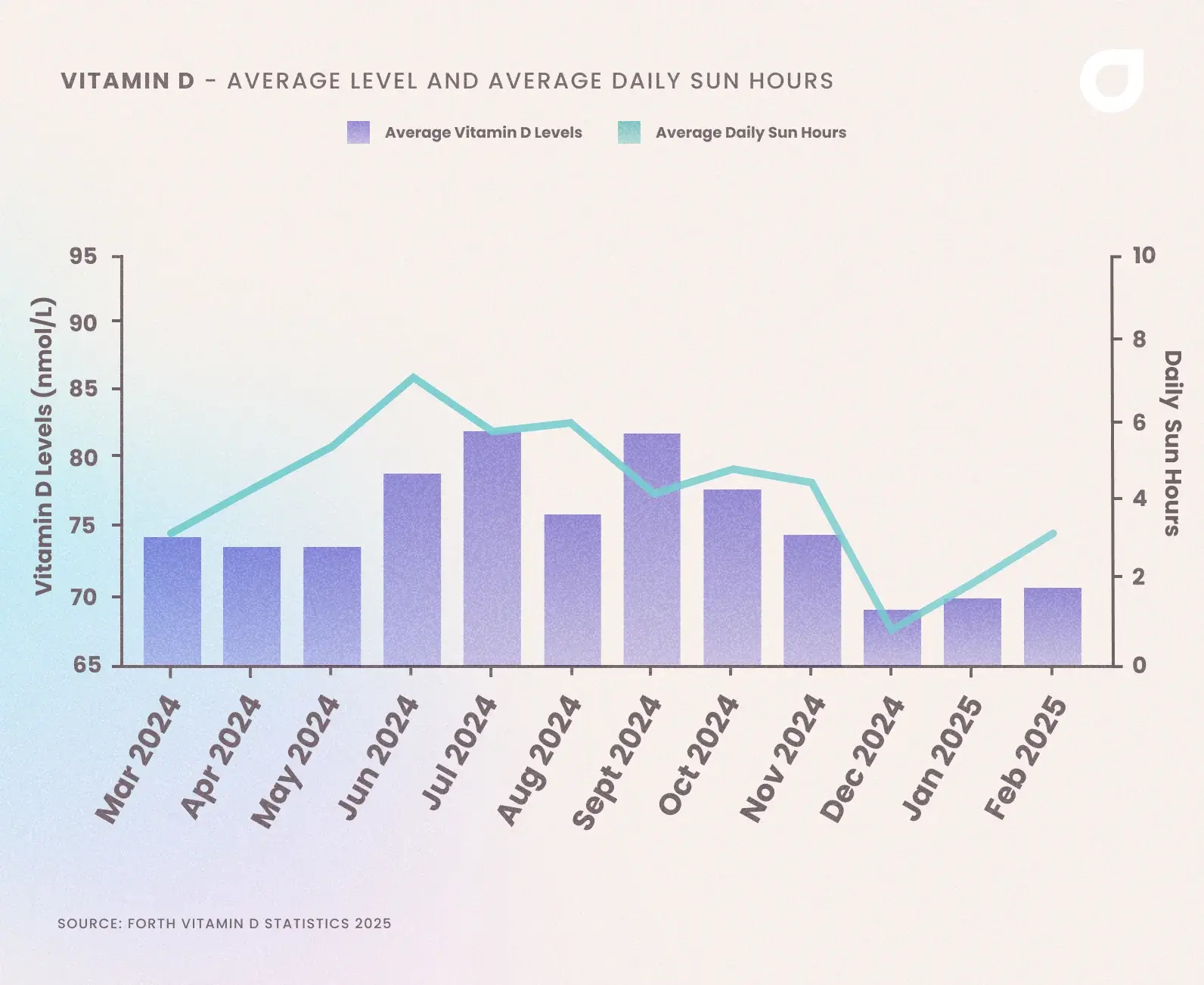
When winter arrives, the air may be colder and the daylight shorter. Your body receives less ultraviolet (UV) exposure, the usual cue that helps it manufacture vitamin D. This seasonal shift can create a perfect setup: more viral exposure outdoors and indoors, paired with fewer immune “support crew” resources inside your body.
A Playful Challenge: Check Your “Sunlit Budget”
Here’s the challenge: pretend your vitamin D is a monthly subscription. In winter, you don’t cancel the subscription—you simply stop paying into it. You might still be doing everything “right,” yet your sunlit budget quietly shrinks.
Ask yourself—honestly—how many days you’ve spent in direct daylight (not behind tinted windows) recently. Even a short walk can help, but winter often limits how much you actually get. The awkward part is that vitamin D deficiency can be stealthy. You may feel “fine,” while immune function gradually becomes less efficient, like a theater that’s slowly dimming its lights between scenes.
Vitamin D: The Immune System’s Quiet Conductor
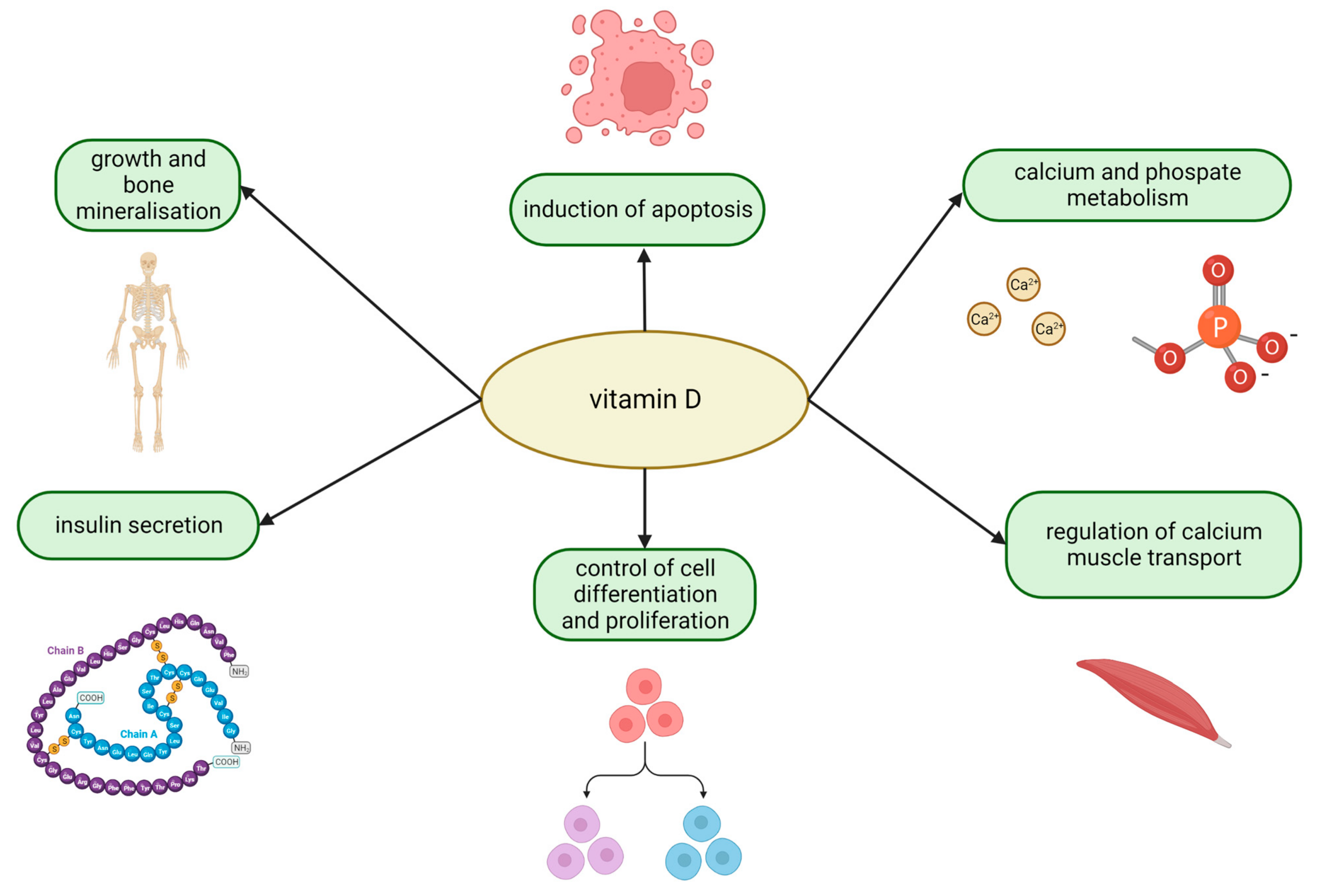
Vitamin D isn’t merely a bone-focused molecule with a single job title. It behaves more like a conductor—coordinating immune activity so responses are appropriately calibrated. When vitamin D status is low, certain immune pathways can become less responsive, which may tilt the odds toward catching infections.
Think of your body as a medieval kingdom. Viruses are raiders. Your immune system is the guard force. Vitamin D helps ensure the guards know when to mobilize and how strongly to respond. Without enough vitamin D, the guards may still show up—but with delayed timing or less effective coordination.
Why Winter Makes Vitamin D Deficiency Easier
Deficiency doesn’t usually appear overnight. It accumulates through repeated patterns: reduced outdoor time, cloud cover, higher latitudes, and shorter daylight hours. Add in clothing that covers more skin, and the window for UV-induced vitamin D production becomes narrower.
Diet can help, but it’s not always enough. Many people don’t consistently consume vitamin D-rich foods, and supplements aren’t always used. The result is a seasonal dip that can leave you more vulnerable when colds start multiplying like plot lines in a sitcom.
The Cold Connection: How Low Vitamin D May Influence Colds
The link between vitamin D deficiency and respiratory infections is a compelling hypothesis supported by biological plausibility. Vitamin D participates in processes that affect both innate immunity (your immediate defense) and adaptive immunity (your targeted, longer-term response).
In practical terms, insufficient vitamin D may contribute to a higher likelihood of infections or more persistent symptoms. It can also affect inflammatory balance—important during viral challenges, when your body must strike a careful equilibrium between “fight” and “don’t overreact.”
So while winter viruses are the obvious culprits, low vitamin D may be the invisible risk amplifier.
Symptoms Don’t Always Announce the Cause
Here’s the tricky part: a cold is a cold, and vitamin D deficiency rarely broadcasts itself with a neon sign. People commonly associate vitamin D problems with fatigue or musculoskeletal discomfort, but deficiency can be partially masked by everyday stressors and routine life.
You might notice more frequent illnesses, slower recovery, or a general sense of being “run down” during winter. Yet these patterns overlap with many factors—sleep quality, stress load, hydration, indoor air quality, and even workload intensity.
That’s why the cold–vitamin D relationship is best viewed as a risk factor, not a single-cause story. Think of it as a dimmer switch for immune readiness rather than a complete switch that either turns on or off.
Indoor Life: The Viral Amplifier Meets the Nutrient Gap
Winter doesn’t only reduce sunlight. It also changes your environment. Doors close. Crowds condense. Ventilation sometimes suffers. The same season that limits vitamin D production also increases the chances of exposure to airborne and droplet-transmitted viruses.
Now imagine these two forces acting together: less vitamin D to support immune orchestration, plus more contact with infectious particles. That combination can feel like your body is trying to fight a storm with an umbrella that’s slightly too small.
Testing and Thinking Ahead: A Sensible, Not Panicked Approach
If winter colds seem relentless, it may be wise to consider vitamin D status thoughtfully. Clinicians can evaluate levels using blood tests, usually focusing on 25-hydroxyvitamin D. That gives a clearer picture than guesswork.
If levels are low, supplementation or lifestyle adjustments may be considered. The key word is “considered.” Vitamin D is fat-soluble, meaning the body stores it, and excessive intake isn’t desirable. A plan guided by healthcare professionals—or at least tailored to your circumstances—tends to be the safest route.
In other words: don’t treat this like a dramatic DIY quest. Treat it like a strategic optimization.
Practical Steps: Sunlight, Food, and Supplement Strategy
What can you do without waiting for spring to arrive? Start small and stay consistent.
1) Capture daylight. Choose times when the sun is strongest, even if it’s crisp outside. A walk can be both mental therapy and practical maintenance.
2) Eat vitamin D–supportive foods. Fatty fish, fortified dairy or plant alternatives, and egg yolks can contribute. Diet alone may not always solve deficiency, but it can support a baseline.
3) Consider supplementation. Many people benefit from supplements in winter, especially if sunlight exposure is limited. A healthcare-guided approach helps determine an appropriate dose.
4) Keep immune habits sturdy. Sleep, movement, and hydration are not glamorous, but they’re reliable allies. Pair nutrition support with good routines, and your immune system gains more “bandwidth” to respond effectively.
When to Seek Help: More Than a “Typical Cold”
Most colds resolve on their own, but persistent or severe symptoms deserve attention. Seek medical guidance if you experience high fever that doesn’t fade, shortness of breath, chest pain, unusual lethargy, or symptoms that worsen after initial improvement.
Also consider discussing recurrent infections with a clinician. While vitamin D may be one piece of the puzzle, other factors—such as underlying conditions, medication effects, or immune disorders—may also play roles. Winter can be harsh, but it shouldn’t be ignored.
The Bottom Line: A Winter Story With Two Villains
Winter colds are not just a matter of exposure; they’re also a matter of readiness. Viruses circulate more easily when people are indoors, but your immune response may be subtly weakened when vitamin D levels dip due to reduced sunlight.
So here’s that playful question returning, now with a gentle twist: What if your next cold didn’t have to be fully “inevitable”? Not because vitamin D is a magic shield—but because it may help your immune system conduct a more coordinated response.
This winter, give your immune system a fair chance. Track your sunlit budget, consider vitamin D thoughtfully, and treat small preventive choices as an act of quiet resilience.