After 40, the body quietly changes its priorities. Muscles don’t respond quite as briskly, balance reactions arrive a fraction of a second later, and recovery feels slower—even when you still feel “capable.” In that shifting terrain, vitamin D becomes more than a nutrient. It’s a subtle conductor, orchestrating the cellular choreography that supports strength, nerve signaling, and skeletal steadiness. The surprising part is how often falls are discussed as if they’re purely mechanical. In truth, they’re frequently biological, too—and vitamin D sits near the intersection of both.
That “ordinary” wobble can be a warning, not a personality trait
A common observation shows up in everyday life: a pause before stepping down from a curb, a hand reaching for support more often, a moment of dizziness that seems minor. Many people chalk it up to fatigue, aging, or an unremarkable day. Yet the deeper reality is that balance is an integrative skill. Your eyes, inner ear, proprioception, and muscle reflexes collaborate continuously. If one element lags, the entire system compensates—sometimes elegantly, sometimes not.
Vitamin D deficiency can contribute to that lag. It’s not always dramatic, and that’s why it’s easy to overlook. Instead of sudden collapse, you may notice reduced lower-body strength, delayed reactions, or a slightly altered gait. These patterns can appear gradual, like fog thickening over a familiar path. The mind adapts first, then the body follows.

Fall prevention isn’t only about strength—it’s about “response latency”
Strength matters, yes, but falls often happen during the seconds when the body must correct itself. Response latency—the time between destabilization and corrective action—can be crucial. When you trip, slip, or misjudge a step, your body needs rapid recruitment of stabilizing muscles: hip abductors, quadriceps, calf stabilizers, and trunk musculature.
Vitamin D plays a role in muscle function and neuromuscular performance. When levels are insufficient, muscles may generate less force and fatigue sooner. Think of it like a dimmer switch rather than a light switch: the system still works, but with less power available exactly when you need it. Over time, diminished muscle efficiency can translate into less confident foot placement and weaker recovery from small missteps.
And there’s another layer. Vitamin D is involved in signaling pathways that influence cell function, including those relevant to muscle and nervous system coordination. That’s why deficiency can manifest as both strength reduction and balance vulnerability—two outcomes that feed each other.
Why “non-bone effects” become especially noticeable after 40
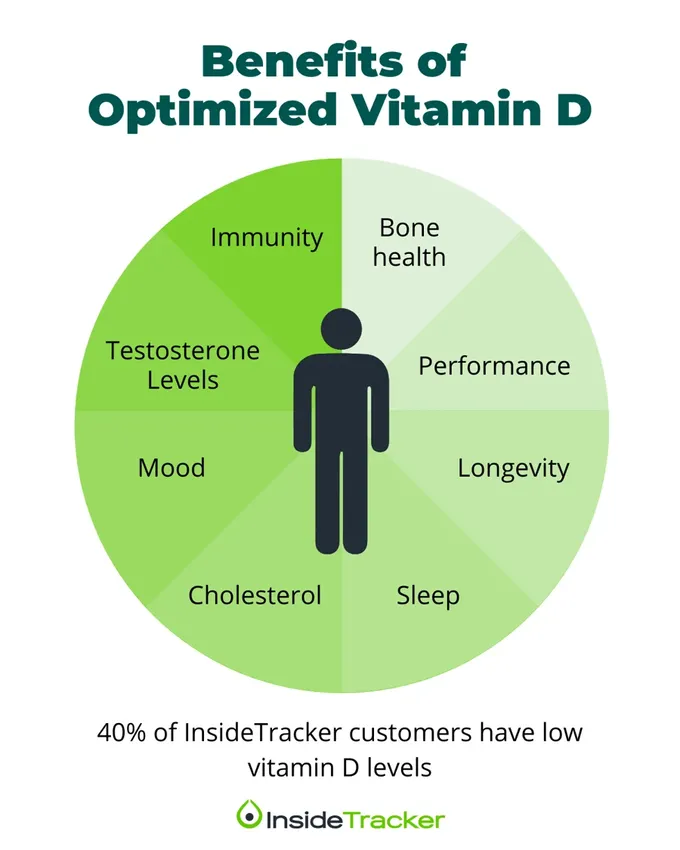
Vitamin D is famous for bone health, but fascination deepens when you realize how widely it influences the body. After 40, bone remodeling slows and muscle composition can shift. Yet the most practical takeaway is that vitamin D’s influence extends beyond the skeleton. It contributes to an environment where muscle fibers function efficiently and where the body maintains the biochemical tone required for movement.
This is where the story becomes interesting. People often expect vitamin D to behave like a simple supplement that “fixes bones.” Instead, it works more like a regulatory framework—helping cells interpret signals related to strength, maintenance, and resilience. That’s why inadequate vitamin D can correlate with higher fall risk even when someone doesn’t have overt bone pain.
In other words, vitamin D insufficiency can be a stealth factor. The body may compensate—until it cannot.
Balance depends on sensors and networks, not just legs
Falls rarely occur in isolation. They’re commonly preceded by a sequence: a distraction, a slippery surface, a misperceived distance, a lighting change that reduces contrast, or a sudden obstacle. At that moment, balance is more than leg strength. It’s a feedback loop involving the vestibular system (inner ear), vision, and proprioceptive input from muscles and joints.
Vitamin D is implicated in the broader network that supports nervous system function and muscle responsiveness. If neuromuscular coordination is compromised—even mildly—the body may not correct quickly enough. You might notice it as reduced steadiness when turning, standing on one foot, or walking while performing a secondary task, like carrying groceries or conversing.
That’s why the “depth” of vitamin D’s role feels almost paradoxical. It’s not only about moving your legs. It’s about how your body interprets movement in real time.
Common culprits that quietly lower vitamin D in midlife
Vitamin D status is not determined solely by age. After 40, several practical factors can contribute to lower levels: less time outdoors, sunscreen use without dietary compensation, darker skin pigmentation, living in regions with limited sunlight during part of the year, and changes in diet. Additionally, some people have absorption issues due to gastrointestinal conditions, certain medications, or changes in metabolism that influence how efficiently vitamin D is utilized.
There’s also the underappreciated influence of body composition. Vitamin D can be sequestered in fat tissue, which may reduce circulating availability in some individuals. This doesn’t mean the body is “failing.” It means the chemistry becomes less straightforward, and supplementation or careful nutritional strategy may be necessary.
When the level dips, the results can be subtle: tiredness, aches, reduced physical confidence, and a tendency to “play it safe” during steps and uneven terrain.
Testing and timing: making vitamin D a targeted intervention
The most sensible approach is personalization. A blood test for 25-hydroxyvitamin D provides a clearer picture than guessing. Many people assume that if they feel fine, their levels must be fine. But the body can operate with partial deficits, especially when you’re still young enough to compensate.
Once testing clarifies the baseline, dosing decisions should be made with professional guidance—particularly because vitamin D is fat-soluble and requires an intentional plan. Timing can matter too. Some people find better consistency by pairing vitamin D with a meal that includes fat, because absorption can be improved.
Rather than treating vitamin D as a dramatic “cure,” view it as a maintenance strategy. Consistency often outperforms intensity.
Pair vitamin D with movement: the partnership that prevents falls
Vitamin D can support muscle performance, but it doesn’t replace exercise. Fall prevention is a choreography between nutrients and training. Strength training improves power and stability. Balance exercises sharpen reflexive control. Gait practice helps recalibrate step timing and confidence. Even simple routine movements—standing tall, practicing controlled sit-to-stand repetitions, doing carefully supervised balance drills—can create noticeable change.
When vitamin D is sufficient, the muscles may respond more effectively to training stimuli. That synergy creates a virtuous circle: improved muscle function supports steadier movement, and steadier movement enables more consistent activity, which then sustains strength and coordination.
It’s a fascination-worthy feedback loop: biology supports behavior, and behavior reinforces biology.
Home adjustments still matter—especially when vitamin D is corrected
Even with optimal vitamin D, falls can happen because environment is never neutral. Lighting that’s dim or uneven can reduce depth perception. Loose rugs, cluttered walkways, and slippery bathroom floors can transform a normal step into a miscalculation. Stairs without sturdy railings can invite risk. Footwear with poor traction can undermine even good balance.
Vitamin D may strengthen the body’s internal resilience, but your home determines how many opportunities the body has to respond successfully. Addressing hazards lowers the frequency of destabilizing events. That means fewer “test moments” for balance systems under stress.
Think of it as reducing the number of difficult prompts—and improving how well you answer them when they appear.
Motivation and realism: what to expect, and how to keep it going
After 40, progress rarely feels explosive. Improvements are often gradual and sensory: fewer near-misses, steadier turns, a lighter feeling when climbing stairs, and less hesitation when stepping onto uneven ground. These changes may arrive in weeks to months depending on baseline vitamin D status, lifestyle, and consistency with exercise.
Realistic expectations help. If you’re correcting a deficiency, the goal isn’t to “feel young overnight.” The goal is to restore physiological support for muscle and neuromuscular function so your balance system has better resources to work with.
Keep the plan durable: nutrition, appropriate supplementation when indicated, resistance and balance training, and environment optimization. The fascination here isn’t only in why vitamin D matters. It’s in how it integrates with the rest of your fall-prevention strategy, turning everyday movement into something safer and more reliable.
A final perspective: preventing falls is protecting independence
Falls can steal independence faster than most people expect. They can interrupt daily routines, affect confidence, and require recovery time that reshapes the rhythm of life. Vitamin D after 40 is not a guarantee against falling. But it can be a meaningful ally—supporting muscle function, neuromuscular coordination, and a steadier foundation for movement.
When you address vitamin D thoughtfully, you’re doing something quietly profound: you’re strengthening the internal systems that help you stay upright, agile, and in control. That is the real win—one step, one balance correction, one safe day at a time.