Some symptoms arrive like polite strangers—silent, almost forgettable—until the night turns the lights on. Night sweats are one of those quiet intruders. You notice the damp collar, the heavy bedsheet, the sudden need to change clothes as if you’ve been running a marathon in your sleep. And then there’s the second layer, rarely discussed with the seriousness it deserves: vitamin D. Not as a vague wellness buzzword, but as a biochemical passport that may influence how warm your body feels, how your immune system calibrates itself, and why your nights keep insisting on a kind of overheating.
Night Sweats as a Body’s Unscheduled Weather System
Imagine your body as a city with invisible weather stations. Most nights, the forecasts match reality: cool rooms stay cool, blood vessels behave, and sweat is a controlled drizzle. Night sweats are different. They resemble a sudden heat front that slides in without warning. The body’s thermoregulatory thermostat—normally a well-trained orchestra conductor—begins conducting a frantic improvisation.
The experience can be unsettlingly intimate. A bedroom can feel like a sauna, and the next morning can carry the aftertaste of exhaustion: sleep fragmented, skin clammy, thoughts foggy. Some people explain it away as stress, room temperature, or a heavy blanket. Those explanations can be true sometimes. Yet night sweats can also be a signal—one that deserves attention rather than dismissal.
There’s also a psychological sting. Because night sweats aren’t “dramatic” like pain, people may avoid asking questions or may assume it’s nothing. Silence becomes a second symptom. And in that silence, the underlying causes—metabolic, hormonal, infectious, or nutrient-related—can keep accumulating unnoticed.
Vitamin D: The Unassuming Hormone-Like Orchestrator
Vitamin D is often described as “the sunshine vitamin,” but that metaphor undersells its role. In reality, it functions more like a hormone-like regulator. It travels through the body’s biochemical networks and communicates with tissues far beyond bone and teeth.
One reason vitamin D matters in the context of night sweats is its relationship with the immune system. Immune signaling is sensitive to nutrient availability; when vitamin D levels are low, certain inflammatory pathways may become less balanced. The result can be a subtle tendency toward dysregulation—where the body’s responses to internal triggers become louder than intended.
Another layer is calcium homeostasis and endocrine signaling. While the mechanics are complex, the bottom line is this: vitamin D participates in the choreography of systems that influence temperature perception and inflammatory tone. If your body’s internal “stage lighting” is dim due to insufficient vitamin D, other performers may overcompensate—sometimes including sweat-inducing pathways.
How Low Vitamin D Might Echo in the Night
Night sweats are not a diagnosis on their own. But they can be a clue, especially when paired with low vitamin D or behaviors that reduce vitamin D exposure. Consider the following scenarios:
Limited sunlight exposure: Modern schedules, indoor work, and sunscreen habits can reduce skin synthesis of vitamin D. Over time, levels may drift downward.
Reduced dietary intake: Some diets provide little vitamin D. Without supplementation, deficiency can creep in quietly.
Malabsorption conditions: When the gut struggles to absorb nutrients, vitamin D status can decline even if sunlight and diet seem adequate.
When vitamin D is low, the immune system’s balance can shift. That shift doesn’t always produce obvious symptoms like fever. Instead, it can manifest as intermittent discomfort: night waking, dampness, a vague sense of being “unwell” without clear illness. It can feel like your body is battling something you can’t see.
This is where the metaphor becomes useful: night sweats can be likened to a furnace whose pilot light is miscalibrated. The heat system doesn’t fully fail. It simply runs unevenly—hot bursts at night, relief in the day, and a lingering sense that something in the mechanism is off.
Clues in the Background: Patterns That Deserve Attention
Not all night sweats point to vitamin D. They may also stem from hormonal changes, medications, sleep disorders, anxiety, or infections. Still, pattern recognition can guide the conversation with a clinician.
Timing: Are sweats limited to certain months or seasons? A seasonal pattern may suggest reduced sunlight exposure.
Accompanying symptoms: Fatigue, muscle aches, bone discomfort, frequent infections, or mood changes can align with vitamin D insufficiency. None of these confirm deficiency, but together they can form a more coherent narrative.
Environment: Even if room temperature is controlled, sweat that is persistent and drenching can indicate something beyond blankets or humidity.
Medication history: Antidepressants, hormone therapies, and other drugs can contribute. Vitamin D may still be relevant, but it’s important not to chase one explanation too aggressively.
Why Vitamin D Deficiency Can Feel Like a Slow Drip of Fatigue
Vitamin D deficiency often behaves like a low-grade echo. It may not “announce” itself with one unmistakable symptom. Instead, it can produce a cluster of subtle disturbances: weary muscles, less resilience, and a body that seems slower to recover. That slow drip can amplify the impact of night sweats. Even when the sweating is intermittent, the fragmented sleep can turn mild sluggishness into a deeper, more persistent fatigue.
There’s also an emotional dimension. Sleep is the mind’s attic. When it’s reorganized by sudden wake-ups, the clutter of daily stress can stay piled. Night sweats can therefore create a feedback loop: discomfort disrupts sleep; disrupted sleep worsens stress hormones; stress hormones may further destabilize temperature regulation.
If vitamin D is part of the picture, restoring balance can feel less like “fixing a symptom” and more like recalibrating the entire system—an adjustment that may improve how both your body and your mind settle at night.
The Unique Appeal of Treating Root Causes, Not Just Nighttime Dampness
Plenty of people reach for immediate relief: lighter bedding, cooling fans, and the classic routine of changing sheets. Those strategies can be lifesaving for comfort. But the unique appeal lies in something deeper: treating night sweats as a data point rather than a nuisance.
When vitamin D is low, correcting it may improve the environment your immune system operates in. The appeal isn’t only physical. It’s also narrative—when you stop wondering, “Why is this happening to me?” and start exploring plausible mechanisms, anxiety loosens its grip.
There’s a dignified clarity in that shift. Night becomes less mysterious. Morning becomes more predictable. The body feels less like an adversary and more like a well-meaning system that can be supported.
Testing and Conversation: Turning Uncertainty Into Clarity
To connect night sweats with vitamin D responsibly, testing matters. Clinicians commonly assess vitamin D using a blood measure of 25-hydroxyvitamin D. That single number doesn’t explain everything, but it offers a foothold.
In many cases, additional evaluation may be warranted if sweats are persistent or accompanied by warning signs—unexplained weight loss, persistent fever, enlarged lymph nodes, or severe symptoms. Those scenarios require timely medical attention because night sweats can accompany serious conditions unrelated to vitamin D.
Still, for someone experiencing recurring night sweats with a likely risk of low vitamin D—such as limited sunlight or dietary constraints—checking levels can be a practical step. It transforms guesswork into an evidence-based conversation.
Supplementation and Lifestyle: A Careful, Sun-Forward Strategy
If vitamin D is confirmed low or insufficient, supplementation may be considered. The most effective approach is individualized: dosage, frequency, and duration should align with lab results and medical history. Vitamin D is fat-soluble, meaning it accumulates. That’s why “more” isn’t always better.
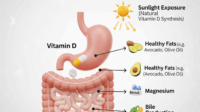
Alongside supplementation, sunlight exposure can be revisited—sensibly. Short periods of sun with appropriate skin protection can support vitamin D synthesis, though skin type, latitude, season, and time outdoors all influence outcomes.
Diet can also contribute. Fatty fish, fortified foods, and egg yolks can raise intake. The goal isn’t to rely on one lever, but to build a small ladder of support.
Sleep hygiene for temperature control: breathable fabrics, hydration habits earlier in the day, and a cool sleep environment can reduce the intensity of sweating. Think of it as installing a quiet ventilation system while the deeper biochemical “wiring” gets addressed.
When Night Sweats Are a Signal, Not Just a Nuisance
Night sweats deserve respect because they sometimes reflect conditions that go beyond vitamin D. Persistent drenching sweats, progressive symptoms, or sweats that are accompanied by red-flag signs should prompt medical evaluation.
It’s reasonable to be both compassionate and vigilant. Comfort measures help now; investigation helps prevent what might happen later. Night sweats can be addressed without ignoring the seriousness of possible underlying causes.

Restoring Balance: What Improvement Can Feel Like
When the underlying cause is corrected—vitamin D deficiency included—sleep often becomes more cohesive. The mornings arrive less bruised by interruption. There’s a subtle return of bodily trust. Sweats may lessen in frequency, intensity, or duration. Waking becomes rarer, and the nights feel less like negotiations with overheating.
The most intriguing part is that this change can be more than a symptom shift. It can feel like stepping back into your own rhythm. The body stops sounding alarms at midnight and begins keeping steadier time. In that steadiness, vitamin D’s quiet influence becomes visible—not as a spotlight, but as a stabilizing dawn.