Vitamin D is a quiet architect of health—present in the background, yet responsible for structural integrity across the body. It plays a supporting role in immune function, bone mineralization, muscle performance, and even mood regulation. But here’s the twist: many people carry a “sunshine deficit” without realizing it. That raises an important question—how often should you get your vitamin D levels checked, and how do you choose the rhythm that fits your life?
Think of vitamin D like a dimmer switch in a theatre. Some days the stage lights are bright; other days they’re subdued. Without measuring, you’re guessing. With the right testing cadence, you stop wondering and start directing.
Why Vitamin D Levels Deserve a Measured Schedule
Vitamin D isn’t a nutrient you simply “consume and forget.” It behaves more like a hormone precursor, shaped by skin synthesis, dietary intake, and liver and kidney processing. When any step falters—winter seasons, limited sun exposure, darker skin pigmentation, malabsorption, certain medications—the body’s vitamin D status can drift downward.
Testing matters because symptoms are notoriously non-specific. Fatigue, body aches, and low mood can emerge gradually, like fog rolling in from the coast. People often blame stress, aging, or overwork. Yet the root could be biochemical, not psychological.
However, more testing isn’t always better. The goal is to strike balance: enough data to make smart decisions, not so much that you fall into the trap of “lab anxiety.” A well-timed schedule can help you adjust supplementation safely and avoid extremes—deficiency on one side, and excessive dosing on the other.
General Timing: A Practical Baseline for Most Adults
For many healthy adults, vitamin D screening is often approached as a periodic check rather than an annual reflex. A common cadence is every 1–3 years, depending on risk level and lifestyle. If you live in a region with limited sun exposure for much of the year, you may lean toward the shorter end of that range.
Picture your health like a dashboard. Some indicators you monitor frequently; others only when conditions change. Vitamin D fits best into the “conditions change” category—seasonality, indoor lifestyle, and diet variations are frequent culprits.
If you’ve never been tested, a baseline measurement can be especially illuminating. It’s akin to mapping the terrain before choosing a travel route. Once you know your starting point, follow-up testing can become more purposeful.
Higher-Risk Groups: When More Frequent Testing Makes Sense
Certain circumstances increase the odds of low vitamin D, and they also influence how often testing should occur. Consider these as the “risk accelerators”:
People with limited sun exposure, those who cover most of their skin for cultural or religious reasons, individuals with darker skin tone (which reduces vitamin D synthesis efficiency), and older adults (skin synthesis declines with age) often benefit from more regular monitoring.
Additionally, malabsorption syndromes and gastrointestinal disorders—such as celiac disease, inflammatory bowel disease, or a history of bariatric surgery—can impair absorption. Chronic kidney disease may also affect conversion of vitamin D into its active forms. Those with liver disease may have altered processing as well.
If you fall into these categories, testing might be recommended more frequently—often after initiating or adjusting supplementation, and then again at intervals determined by your clinician. In practice, a short-cycle recheck after treatment can confirm whether your body is responding appropriately, rather than relying on assumption.
After Starting or Changing Supplements: The “Response Check” Window
When vitamin D is low, supplementation is often introduced like a targeted intervention plan. But vitamin D doesn’t just act instantly—it requires time for levels to stabilize. This means that if you change your dose, your next test should be timed to capture the true plateau, not a temporary fluctuation.
A common approach is to recheck levels after a period sufficient for adjustment—often around 8–12 weeks—especially when higher doses are used or when a person has notable deficiency or risk factors. This is the biomedical version of checking whether a thermostat actually reached the temperature you set.
After your response is confirmed, the testing frequency can often return to a steadier cadence. The first follow-up tends to be the most diagnostic; subsequent checks can be more strategic and less frequent.
Seasonal Variation: How Geography and Weather Change the Equation
Vitamin D levels commonly fluctuate with the seasons. During sunnier months, the body can synthesize more vitamin D through skin exposure. During winter, levels frequently decline—sometimes noticeably—particularly for people who spend most of their day indoors.
Because of this, timing tests around seasonal shifts can be helpful. Some people choose to measure after summer peak and again after winter trough, using that information to personalize supplementation. It’s a more tailored approach than relying on a single number taken at one moment.
If you live at higher latitudes or experience long, cloudy winters, seasonal variation can be more pronounced. In those cases, you may benefit from a more consistent “watch the seasons” strategy.
Age, Muscle, and Bones: Testing Through the Lens of Function
Vitamin D intersects with musculoskeletal health in ways that go beyond bone density. Adequate levels contribute to muscle function, and deficiency has been associated with muscle weakness and increased fall risk in older adults.
As the body ages, vitamin D metabolism and skin synthesis efficiency change. That doesn’t automatically mean everyone requires annual lab work, but it does mean a thoughtful screening approach matters. If you’re experiencing new muscle weakness, recurrent falls, or unexplained bone pain, testing may become more urgent.
In this stage of life, think of vitamin D as part of the scaffolding system—supporting balance, strength, and resilience. When scaffolding is compromised, the structure still “stands,” but it may wobble.
Interpreting Results: What “Low” Really Means for Your Plan
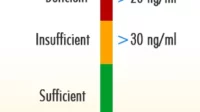
Testing is only the first act. Interpretation determines the direction of your next step. Clinicians often consider not only the vitamin D number but also the context—symptoms, calcium levels, parathyroid hormone, kidney function, and overall health profile.
Sometimes “borderline” results can still warrant action if symptoms exist or if risk is high. Other times, an improvement may be possible through safer, targeted sun exposure and diet, without aggressive supplementation.
It’s also important to avoid the extremes. Over-supplementation can be harmful, particularly when high-dose products are used without monitoring. A controlled, evidence-informed plan keeps your strategy precise rather than reckless.
Lifestyle Strategies That Complement Testing (Without Becoming a Guessing Game)
Testing tells you where you are; lifestyle tells you how to move. Sun exposure can help, but it must be balanced with skin cancer risk and individual tolerance. Many people also benefit from dietary sources—fatty fish, fortified dairy or plant alternatives, and eggs—though food alone may not always correct deficiency.
Supplements are often used when sun and diet aren’t sufficient. Some individuals prefer consistency over variability, particularly when seasonal shifts strongly affect levels.
In other words: don’t treat your lab result like a verdict. Treat it like a compass. Then use habits as the terrain that guides your next steps.
When to Test Sooner: Red Flags and Practical Triggers
Consider earlier testing if you have symptoms suggestive of deficiency, if you’ve started a medication that affects vitamin D metabolism, or if you have a health condition known to influence absorption or processing. Pregnancy, certain endocrine disorders, and long-term corticosteroid therapy can also be triggers for more proactive monitoring.
Sometimes the “why” is obvious—new diagnosis, new regimen. Other times it’s subtle. If you feel persistently unwell or your strength seems to be slipping without explanation, testing can clarify whether vitamin D is contributing to the story.
How Often Overall? A Simple Rhythm You Can Personalize
A cohesive plan often looks like this: establish a baseline, recheck after supplementation changes, then monitor at an interval that matches your risk. Many people benefit from periodic testing—often every 1–3 years—while those with higher risk or ongoing adjustments may require more frequent measurements.
The “unique appeal” of a personalized schedule is that it transforms vitamin D testing from a routine chore into an intelligent feedback loop. You’re not merely collecting numbers. You’re tuning your body’s lighting system so it performs at full capacity.

In the end, the most sensible answer to “how often” is rarely one-size-fits-all. It depends on risk, seasonality, symptoms, and treatment response. But when you test with intention, you replace uncertainty with direction—and direction is where health quietly accelerates.