Vitamin D is one of those nutrients that seems deceptively simple—until you start reading labels and notice the alphabet soup: D2, D3, IU, micrograms, “active” forms, fortification, and different serving directions. The truth is that two products can look nearly identical on a shelf, yet behave differently in the body. Learning how to read the label is not just a shopping skill; it’s a way of safeguarding your bone health, immune resilience, and overall metabolic choreography.
Why Vitamin D2 and D3 Appear on Labels (and Why It Matters)
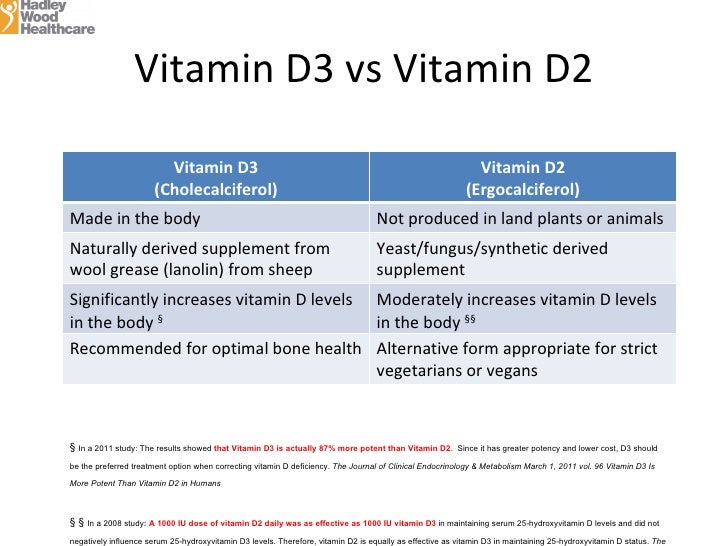
Vitamin D2 and D3 are not interchangeable in practice. Both can contribute to vitamin D status, but they differ in their chemical lineage. D2 is generally derived from plant or fungal sources, while D3 is typically sourced from animal-derived materials or produced via specialized processing. On labels, the distinction might look small—just “vitamin D3” versus “vitamin D2”—but it often signals different biological kinetics.
When shoppers compare products, the most important question is not which brand feels more familiar. It’s which form aligns with your goals: raising vitamin D levels efficiently, maintaining them reliably, or supporting a specific clinical plan. If you’ve ever wondered why one supplement seems to “move the needle” more than another, label literacy is the first step toward understanding that pattern.
Understanding the Units: IU vs mcg vs “Serving Size”
Vitamin D labels frequently use IU (International Units) or mcg (micrograms). These units are not decorative; they determine how much vitamin D you’re actually consuming. Many people accidentally double-dose because they assume two products with similar IU numbers are truly comparable without checking the serving size.
Make it a habit to read three things in order: the amount per serving, the number of servings per container, and the recommended serving instructions. A label might state “1 capsule per day,” but it could also describe a multi-dose regimen. Your best friend here is consistency—small mistakes compound over weeks.
Also watch for language such as “per serving” versus “per tablet.” One product may deliver 1,000 IU per tablet; another may deliver 1,000 IU only if you take two tablets. The label can be technically correct and still misleading through omission.
Decoding “Reference Range,” “Support,” and Other Marketing Signals
Some labels include “reference ranges,” “benefits,” or “supports normal immune function.” These phrases can be helpful, but they’re not a dosing blueprint. “Supports” is not the same as “treats,” and “may help” is not an assurance of outcomes for your unique physiology.
Instead of relying on rhetorical packaging, focus on the measurable facts: vitamin D amount, vitamin D type (D2 or D3), and any added ingredients that could influence tolerability (for example, oil-based carriers). If a product lists multiple forms—such as D3 plus cofactors—pause and interpret what each component does. Sometimes the supplement is designed for broad wellness; sometimes it’s engineered for targeted repletion.
Look for the Form Details: D2, D3, and “Active” Vitamin D
Most over-the-counter supplements list either vitamin D2 or vitamin D3. However, there’s a separate category: “active” or prescription-style vitamin D analogs, which may appear in certain contexts on specialized labels. These are not typical grocery-shelf supplements. They behave more directly and often require closer medical supervision.
When you see a product that claims an “active form,” it’s essential to distinguish it from standard D2/D3. If you’re choosing everyday supplements, you likely want the regular vitamin D forms with clear IU or mcg amounts. If you’re managing a clinical deficiency with a clinician’s plan, “active” formulations might be appropriate—but they’re a different road entirely.
Content Type Matters: Capsules, Tablets, Gummies, Drops, and Fortified Foods
Vitamin D doesn’t arrive in only one delivery system. The format affects how you take it, how reliably you consume it, and sometimes how efficiently it’s absorbed.
Capsules and softgels often use oil-based carriers. That can be advantageous because vitamin D is fat-soluble, meaning it tends to travel with dietary lipids. If you eat meals with some fat, absorption can be more consistent.
Tablets vary widely in disintegration and carrier composition. Some are straightforward; others include stabilizers or binders. If you struggle to swallow pills, formulation matters.
Gummies are convenient, but sweetness can hide variability. Check the vitamin D type and the actual amount per serving. Some gummy products underdeliver relative to what shoppers expect from the taste.
Drops are frequently favored for precise dosing. They also invite careful label reading: does “X drops” equal a specific IU or mcg? The label should clarify how to measure correctly. Inconsistent measuring devices can quietly distort dosing.
Fortified foods can contribute to intake, but the label challenge becomes arithmetic. You may need to calculate total vitamin D from multiple sources—milk, yogurt, cereal, and supplements—so you don’t unknowingly exceed your target.

Absorption Clues: Carriers, Fat-Solubility, and Consistency
Because vitamin D is fat-soluble, labels sometimes disclose “oil” bases, “medium-chain triglycerides,” or “with carrier oils.” These details aren’t always necessary for decision-making, but they can explain why one supplement feels more effective than another.
A key strategy is rhythm. Even the best label becomes irrelevant if doses are inconsistent. Some people take vitamin D sporadically, expecting a “catch-up effect.” But vitamin D status typically responds better to steady intake, especially when combined with appropriate diet and safe sun exposure.
Also consider whether your routine includes enough dietary fat. If not, absorption can lag. That doesn’t mean you must change your entire diet; it may simply mean adjusting timing—such as taking your supplement with a meal.
How to Compare Two Products Side-by-Side Without Getting Tricked
To compare D2 and D3 intelligently, resist the temptation to focus on brand aesthetics or price-per-bottle alone. Instead, do a “label triad” review:
(1) Form: vitamin D2 or vitamin D3.
(2) Dose: IU or mcg per serving, plus how many servings match your intended routine.
(3) Delivery system: capsule, softgel, drop, gummy, or food fortification.
Then apply one more filter: your goal. If your priority is steady maintenance, a moderate daily dose might be reasonable. If your priority is repletion after low levels, the dose may be higher but should follow a plan. Label reading is not just selection; it’s alignment with outcome expectations.
When You Should Rethink the Label: Medical Conditions and Medication Interactions
Supplements are rarely taken in a vacuum. Kidney disease, malabsorption syndromes, liver disorders, and certain medications can influence vitamin D metabolism and vitamin D-related calcium balance. If you’re in a higher-risk category, label reading becomes more than consumer diligence—it becomes a safeguard against unintended hypercalcemia or inadequate response.
Even common medications can shift vitamin D dynamics. If you’re taking anticonvulsants, glucocorticoids, or certain weight-management and cholesterol-lowering drugs, you may need clinician-guided adjustments. In these scenarios, “smartly choosing” means pairing the right label with the right oversight.
Choosing Smartly: Practical Label Rules for Everyday Shoppers
Here are pragmatic rules that reduce guesswork:
Rule 1: Always confirm the type—D2 or D3—right next to the vitamin D amount.
Rule 2: Verify units and serving size. If it says “per serving,” don’t assume “per day” unless the label says so.
Rule 3: Count your sources. Fortified foods plus supplements can quietly stack.
Rule 4: Pick a format you’ll actually take consistently. A “perfect” dose that you forget becomes a placebo in practice.
Rule 5: If the label mentions active forms, do not treat them as a standard OTC substitute without guidance.
/medriva/media/post_banners/content/uploads/2024/02/vitamin-d-benefits-and-differences-between-d2-and-d3-20240215221520.jpg)
What Different Readers Can Expect From Their Next Step
If you’re a curious optimizer, you’ll likely enjoy turning label details into a structured routine: tracking IU totals, timing with meals, and choosing a consistent format. Your progress feels measurable because you can quantify your intake.
If you’re a busy parent or caregiver, your priority is fewer decisions. The best outcome usually comes from a simple, repeatable plan: one clearly labeled product, taken at the same time daily, with no math-heavy instructions.
If you’re a health-conscious skeptic who distrusts marketing, focus on specificity. Look for plain disclosure of form and dosage, and avoid labels that rely on sweeping claims. The more precise the label, the less it invites speculation.
If you’re managing a known deficiency or underlying risk, treat the label as the bridge between clinician guidance and real-world intake. Your “smart choice” is not only D2 versus D3—it’s also dose accuracy, duration, and follow-up testing.
The Bottom Line: Vitamin D3 vs D2 Is a Label Literacy Story
Vitamin D3 versus D2 is not a popularity contest. It’s a practical question about form, dosing clarity, and how your lifestyle interacts with a fat-soluble nutrient. When you read labels like a detective—verifying units, serving size, form type, and delivery format—you transform supplement shopping from a guesswork ritual into a deliberate strategy.
Choose the product you understand, the dose you can follow, and the routine you can sustain. Then let your body do the rest—one carefully interpreted label at a time.