When people talk about longevity, the conversation often turns into a debate about abbreviations: D3 versus D2. It’s a familiar scene—two forms of vitamin D, one goal (a longer, steadier life), and an opinion that seems to circulate everywhere. Yet the real story is less about a simple winner and more about how biology responds to different delivery routes, conversion dynamics, and individual physiology. What begins as a common observation (“D3 is better” or “D2 works too”) eventually reveals a deeper fascination: the body treats each form with a subtly different kind of patience and tempo.
Why the D3 vs D2 Question Feels So Personal
Most longevity-minded people aren’t studying biochemistry for sport; they’re trying to translate science into daily decisions. That’s why the comparison becomes emotionally charged. A single supplement bottle can feel like a lever for aging itself. The common observation usually goes like this: vitamin D3 seems to raise levels more reliably, while vitamin D2 is often treated as the “budget” or “older” option. Short sentences often follow: “D3 lasts longer.” “D2 doesn’t.” It’s tidy. It’s also incomplete.
The deeper reason the question persists is that vitamin D isn’t merely a nutrient sitting in a cabinet. It behaves more like a mischief-maker with a long memory. It influences gene transcription, immune signaling, muscle function, and bone remodeling. Longevity isn’t one pathway; it’s a mesh. So the form that arrives may matter because it may linger differently.
Vitamin D Basics: D2, D3, and the Shared Destination
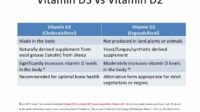
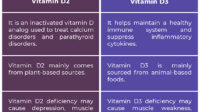
D2 and D3 are both precursors to the active vitamin D hormone (primarily through 25-hydroxyvitamin D, then to the active form). They share the same final destination, but the journey differs. D3 is typically sourced from animal-derived or lichen-derived pathways, while D2 is often associated with fungal synthesis.
Here’s a useful mental model: both are tickets to the same city, yet they may be issued by different systems. The body must “stamp” and process them—turning them into circulating markers that correlate with health outcomes. Longevity becomes a question of how consistently those circulating markers stay within an optimal zone.
What “More Evidence” Really Means in Longevity Research
Evidence is not a single monolith. It comes in layers: pharmacokinetics (how levels rise and fall), observational associations (patterns seen in populations), and intervention trials (what happens when people supplement). For longevity, the most decisive endpoint would be hard outcomes—mortality, cardiovascular events, fractures, or functional decline. However, many studies focus on surrogate markers like serum 25(OH)D.
So when someone asks, “Which has more evidence for longevity?” the answer must respect nuance. D3 often enjoys a larger body of data in certain research ecosystems. Yet D2 can have its own evidence base, especially in trials where it was the default form. The “more evidence” claim tends to reflect both study frequency and consistency of dosing approaches.
D3 and the Question of Duration: The Pharmacokinetic Advantage
One of the best-known distinctions is that D3 tends to raise and maintain serum 25(OH)D more effectively over time. Many discussions reduce this to a catchy phrase, but the underlying mechanism is worth lingering on. D2 and D3 have different degradation and clearance behavior, and these differences can affect how long vitamin D metabolites remain detectable at higher concentrations.
Longer persistence matters for longevity because aging often involves chronic, gradual physiological drift. A vitamin that “peaks” and then quickly fades may miss crucial windows of immune and musculoskeletal support. A vitamin that sustains adequacy may better match the body’s slow-moving requirements.
In practical terms, a steadier serum profile can translate into fewer “low troughs” across seasons, lifestyle changes, and fluctuating sun exposure. The longevity angle here isn’t glamour—it’s the quiet advantage of stability.
D2’s Role: Not Just a Substitute, but a Viable Alternative
D2 is not inherently inferior in a categorical way. It can elevate vitamin D levels, and for some people it performs adequately, particularly when dosing is adjusted to achieve target serum concentrations. The key word is adjustment. If the dose is too low or the schedule poorly timed relative to individual metabolism, D2 may under-deliver.
There’s also a fascinating angle: D2 has historically been used in many supplementation strategies worldwide, meaning real-world experience has shaped what clinicians and researchers consider “normal.” Longevity-focused decisions often emerge from what works reliably in the settings where studies were conducted.
In other words, D2’s reputation can be a cultural artifact as much as a biochemical fact. When one form dominates study protocols, it inevitably gains more “visibility” in the evidence narrative.
Longevity Outcomes: What Do Trials Suggest Beyond Blood Levels?
Longevity research usually asks: does supplementing vitamin D translate into fewer deaths or fewer debilitating events? The honest answer is that vitamin D studies show mixed results, and outcomes depend on baseline deficiency, dose, co-factors, and study design. People who are already sufficient may not benefit much, while those who are deficient may show more meaningful changes.
Within that broader uncertainty, the D3-vs-D2 comparison often leans on how reliably each form corrects deficiency and maintains sufficiency. If D3 achieves and preserves target ranges more consistently, it becomes easier to hypothesize potential benefits for bone integrity, muscle performance, and immune regulation—all of which are relevant to functional longevity.
Still, correlation is not destiny. A higher serum 25(OH)D isn’t automatically a guaranteed extension of lifespan. Longevity is a tapestry woven from dozens of threads: activity level, protein adequacy, calcium status, vitamin K dynamics, sleep quality, insulin sensitivity, and inflammatory burden.
The Deeper Fascination: How the Body “Reads” Each Form
Why are people so captivated by this comparison? Because vitamin D is part of a feedback loop. The body doesn’t treat vitamin D as a passive molecule; it interprets it through receptor-mediated signaling and downstream gene expression. If D2 and D3 produce different metabolite profiles over time, they may influence the timing and magnitude of biological responses.
This is where the story becomes less about “which is stronger” and more about “which is more congruent with human physiology.” Humans aren’t static. We cycle through seasons. We experience variation in absorption due to gut health, bile flow, body composition, and diet. Even adherence patterns—whether supplementation is consistent—affect what the body eventually does with the nutrient.
So the longevity question becomes a question of congruence: which form fits more naturally into the rhythms of human life?
Absorption, Lifestyle, and the Longevity Context
Even with the same vitamin D form, outcomes differ based on co-ingested fat, baseline deficiency, and individual absorption efficiency. Most people think about vitamin D in isolation. Longevity-minded people know better. Dietary calcium, magnesium status, vitamin K2 support, and overall nutritional sufficiency can shift how beneficial vitamin D becomes.
If someone is chronically sedentary, vitamin D may not rescue muscle function. If calcium intake is inadequate, bone benefits may be blunted. If kidney function is impaired, conversion steps change. Thus, D3 vs D2 evidence must always be interpreted through the lens of the surrounding ecosystem.
Longevity is rarely a single-variable equation. It’s a multi-parameter system with feedback and tradeoffs.
Dosing Strategy: The Real Determinant of “More Evidence” in Practice
When researchers compare D2 and D3, the dosing frameworks often reveal the hidden determinant: equivalency is not always operationally equivalent. If D2 is used at a dose that doesn’t reliably achieve serum adequacy, the study naturally appears less effective. Conversely, if D3 is given in a regimen that sustains adequacy, the advantage becomes easier to observe.
That’s why clinicians frequently focus on measured serum 25(OH)D targets and individualized plans rather than marketing language. Evidence becomes actionable when it’s translated into a monitoring-and-adjustment approach. For longevity, this adaptive dosing philosophy can matter as much as the vitamin form itself.
Common Observation, Revisited: “D3 Wins” and Why That May Be True
The common observation that D3 is favored often persists for a reason. D3 tends to show more consistent improvements in serum levels across time, and that consistency makes it easier for studies to detect downstream effects. Consistency also reduces the likelihood of falling below sufficiency during long gaps between sun exposure.
Yet longevity isn’t merely serum chemistry. The ultimate verdict depends on whether adequate vitamin D status supports functional outcomes for the specific person. In some cases, D2 can achieve that goal when dosed appropriately. In other cases—particularly when adherence is imperfect or baseline deficiency is profound—D3 may be the more forgiving choice.
How to Think About Your Own Longevity Plan
Rather than treating D2 and D3 as sports rivals, treat them as tools with different maintenance profiles. The most evidence-aligned approach is to assess baseline status, consider absorption context, and select a regimen that reliably maintains adequate levels. If you choose supplementation, it’s also prudent to consider related nutrients that work in tandem with vitamin D.
For a longevity plan, your attention should land on outcomes: muscle strength, balance, bone health, immune resilience, and overall metabolic stability. Vitamin D is a key that can open doors, but it doesn’t control the building.

The Bottom Line: Evidence Favors Reliability, Not Hype
If the question is which form has more evidence for longevity, the most defensible interpretation is this: D3 often has broader and more consistent evidence in achieving and sustaining adequate 25(OH)D status, which is a plausible prerequisite for downstream benefits relevant to aging. D2 is not dismissed by science; it’s simply more dependent on dosing and context.
Longevity research tends to reward steadiness—reliable correction, maintenance, and biological plausibility. And that, ultimately, is why the fascination continues. The D3 vs D2 debate is not just about chemistry; it’s about how to design a long-term strategy that respects the body’s tempo and anticipates the slow choreography of aging.