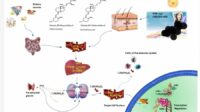
Pneumonia is one of those illnesses that arrives like an uninvited storm—fast, noisy, and capable of leaving the lungs bruised and the body depleted. In the search for gentler, smarter support, one supplement repeatedly surfaces in scientific conversations: vitamin D. But the real question is not whether vitamin D is “good” in a general sense. It’s whether it can reduce the severity of pneumonia when the evidence is examined with a careful, panoramic lens—like turning a microscope wheel until the pattern snaps into focus. A meta-analysis approach, which pools results across studies, is often the best way to see whether vitamin D’s signal is real or just a mirage formed by scattered data.
Vitamin D as a Lung’s Quiet Guardian
Imagine the immune system as a coastal city. The first line of defense is physical, but the most decisive work happens behind the scenes: immune messaging, pathogen recognition, and inflammation control. Vitamin D acts like a foreman who understands timing. It can influence how immune cells behave, nudging them toward appropriate responses—alert enough to fight invaders, restrained enough to prevent collateral damage.
That matters in pneumonia. The most harmful moments are not always the initial infection alone; they’re the downstream inflammatory cascades that can overreact. When inflammation runs too hot, lung tissue bears the cost. Vitamin D’s unique appeal is that it may help modulate that inflammatory tempo—like a dimmer switch rather than a light switch—supporting defense while potentially reducing excessive injury.

What “Severity” Really Means in Pneumonia
Severity is not a single symptom. It’s a composite story told by multiple outcomes: how ill someone becomes, how quickly recovery begins, whether hospitalization is required, and sometimes whether respiratory function deteriorates to dangerous levels. Some studies measure severity through clinical scores; others focus on markers such as oxygenation, radiographic progression, or ICU admission. A meta-analysis synthesizes these different endpoints, translating them into a broader understanding of whether vitamin D correlates with better disease trajectories.
Crucially, “severity reduction” implies more than merely preventing infection. It suggests vitamin D may influence the intensity of illness once pneumonia is already underway—or at least shape the body’s response during the critical early stages.
Meta-Analysis: Turning Many Small Signals into One Clearer Signal
Individual studies can be inconsistent. One trial may find benefit; another may find neutrality. Randomized designs, baseline vitamin D status, dosages, timing, and participant characteristics can all shift the results. A meta-analysis counters this by aggregating data and using statistical methods to estimate an overall effect.
When investigators pool studies, they effectively ask: if vitamin D truly reduces pneumonia severity, should the collective results lean in that direction more often than chance would allow? Meta-analysis doesn’t eliminate every limitation, but it offers a sturdier narrative than isolated findings. Think of it as assembling scattered pages into a single book—still requiring interpretation, yet far more readable than a fragment.
Possible Mechanisms: How Vitamin D Could Influence Disease Course
Several biological pathways make the hypothesis plausible. Vitamin D can enhance innate immune responses—helping the body recognize and respond to pathogens more efficiently. It may also affect adaptive immunity, influencing how T cells and other immune actors coordinate the response.
Just as important, vitamin D may modulate inflammatory signaling. In pneumonia, a controlled immune response can help clear infection while limiting damage to alveoli. Vitamin D’s potential role resembles a conductor adjusting tempo: keeping the orchestra engaged without letting the performance become chaotic.
Additionally, vitamin D is involved in maintaining respiratory tract health, which could indirectly influence susceptibility and recovery. While mechanisms do not automatically prove clinical benefit, they provide a rational scaffold for why the association might appear across studies.
Baseline Vitamin D Status: The “Starting Level” Problem
One of the most intriguing aspects of vitamin D research is that it behaves like a personalized key. People with deficiency may have more room for improvement than those whose levels are already adequate. In a meta-analysis context, studies that enroll participants with low baseline vitamin D might show stronger effects—simply because the intervention is addressing a gap.
This doesn’t mean high-level participants gain nothing. It means the probability of visible benefit may be lower. In narrative terms: a deficiency is an open door; repletion may close the gap. Without the door, vitamin D supplementation might not change much.
That’s why interpreting pooled results requires attention to baseline status, seasonality, diet, sunlight exposure, and the timing of vitamin D administration relative to symptom onset.
Dose, Timing, and Study Design: Why Results Can Vary
Vitamin D is not a monolithic intervention. Dosage schedules vary widely—from modest daily regimens to larger intermittent doses. Timing also matters: administering vitamin D before pneumonia could affect susceptibility, while administering it after disease onset might influence severity through immune modulation.
Meta-analyses attempt to account for heterogeneity, but real-world variability still leaves fingerprints. Patient age, comorbidities (such as chronic lung disease or cardiovascular conditions), smoking status, and infection type can all influence outcomes. Some trials include community-acquired pneumonia; others might include different severity strata. Even diagnostic methods differ.
Despite these complexities, pooled evidence can still reveal a consistent direction if vitamin D’s effect is biologically meaningful.

What the Evidence Suggests About Severity Reduction
When meta-analysis findings show an overall trend toward improved outcomes, it often translates into fewer severe complications, reduced need for intensive care, lower risk of respiratory decline, or improved recovery markers. Even when the absolute effect sizes are modest, they can be clinically relevant—especially at a population level where small improvements across many patients may accumulate into meaningful reductions in burden.
However, “suggests” is an important word. A meta-analysis can strengthen confidence, but it cannot fully dissolve every methodological limitation. Still, the convergence of multiple studies—when consistent—tends to carry more credibility than isolated positive results.
The unique appeal here is not dramatic promise. It’s the possibility of supportive, low-risk adjunctive care that may help the immune response behave more like a well-managed fire: hot enough to drive out infection, not so fierce that it consumes the house.
Safety, Practicality, and the Anti-Overreach Reminder
Vitamin D is generally well-tolerated, but it is not an unlimited resource. Excessive dosing can cause hypercalcemia and other complications. Therefore, supplementation should align with guideline-informed practices and be tailored to individual risk factors.
In pneumonia care, vitamin D should not be treated as a replacement for established therapies such as antibiotics (when indicated), oxygen support, and clinical monitoring. Instead, the most defensible framing is adjunctive support—something that might help the body’s defensive machinery run with fewer glitches.
A practical approach also matters: checking baseline levels where feasible, considering ongoing deficiency risks, and choosing dosing regimens that aim for restoration rather than recklessness.
Who Might Benefit Most?
The strongest candidates often include people with deficiency risk—older adults, those with limited sunlight exposure, individuals with malabsorption syndromes, and patients with darker skin pigmentation living in low-UV regions. Certain comorbidities may also increase vulnerability to severe respiratory infections.
In narrative terms, vitamin D may be a “repair kit” more than a “magic wand.” It’s especially relevant when the immune system is already working with fewer resources. If a deficiency is part of the landscape, supplementation can change the weather.
Limitations and the Road Ahead
Even with encouraging pooled results, uncertainties remain. Future research would ideally standardize dose and timing, stratify participants by baseline vitamin D status more consistently, and use harmonized severity endpoints. Better reporting of adherence and pathogen types would sharpen interpretability.
Meta-analysis provides a helpful map, but the terrain still needs finer surveying. As new trials emerge, the overall picture can become clearer—like revisiting a telescope focus until the stars are sharper and the uncertainties shrink.
Bottom Line: A Promising Adjunct, Not a Standalone Cure
Can vitamin D reduce the severity of pneumonia? Evidence synthesized across studies suggests that it may help—particularly by improving immune regulation and potentially reducing harmful inflammatory intensity. The most compelling logic is that vitamin D does not merely “boost”; it rebalances. In a condition where severity can hinge on the body’s inflammatory response, that rebalancing could be clinically meaningful.
Still, supplementation should be approached with care: safe dosing, appropriate patient selection, and integration with standard pneumonia management. Vitamin D may not stop the storm, but it could help the immune system rebuild faster afterward—turning suffering into recovery with fewer damaged breaths.