Some days, joints seem to possess their own rhythm—small clicks, gentle pops, an occasional “snack” of sound that arrives without warning. It’s common enough that people shrug it off. Yet when the popping becomes frequent, paired with fatigue, stiffness, or vague aches, the body begins to whisper something more interesting—and more actionable. Among the less obvious culprits is vitamin D deficiency, a nutritional shortfall that can quietly influence bone health, muscle function, and even the inflammatory tone of connective tissue. Could low vitamin D be part of the story behind joint popping? The answer is often “indirectly,” but the downstream effects can be surprisingly tangible.
1) The Common Observation: Joint Popping Happens—But Why Does It Get Noticed?
Joint popping is frequently dismissed as a harmless mechanical event: tendons glide, gas bubbles shift in synovial fluid, or cartilage surfaces realign. And yes, those explanations can be real. Still, fascination begins when patterns emerge. For example, popping increases after reduced outdoor sun exposure, seasonal transitions, or dietary changes. The nervous system is an expert at monitoring novelty; when the body feels less stable, it may “listen” harder to every micro-adjustment. Vitamin D deficiency can contribute by nudging the musculoskeletal system toward subtle weakness—especially in the muscles that stabilize joints.
So the observation isn’t just “my joints pop.” It becomes, “Why does it feel different, stiffer, or more noticeable than before?” That shift often signals that more than one mechanism is at play.
2) The Vitamin D Connection: Beyond Bones, It Shapes Muscles and Immune Signals
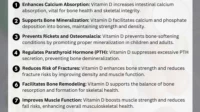
Vitamin D is often framed as a bone-supporting nutrient, and that’s accurate. But the deeper role is endocrine: vitamin D helps regulate calcium absorption and supports neuromuscular function. When vitamin D stores run low, muscles may lose some of their crisp coordination. That can matter because joints depend on muscle timing the way hinges depend on properly cut pins. Weak or underperforming stabilizers can allow slightly altered joint mechanics—conditions ripe for clicking and popping.
Vitamin D also modulates immune responses. Lower levels can tilt inflammation upward, affecting connective tissues and synovial comfort. In other words, popping may not be caused by deficiency alone, but deficiency can create a permissive environment where mechanical sounds become more frequent or less comfortable.

3) Unusual Sign #1: Morning Stiffness That Feels Longer Than Expected
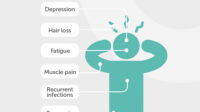
Many people interpret morning stiffness as “just getting old.” Yet vitamin D deficiency can contribute to a low-grade musculoskeletal discomfort that lingers. The stiffness may not be dramatic, but it has an annoying persistence. A person might notice that fingers feel clumsy, knees require a longer warm-up, or hips resist the first few steps of the day.
Stiffness is a signal. When it extends beyond the duration you’d expect from ordinary inactivity, inflammation and muscle inefficiency become more plausible. Vitamin D’s immune-modulating effects may be part of that background hum.
4) Unusual Sign #2: Achy Muscles—Especially Near the Core or Proximal Areas
Muscle pain isn’t always a straightforward “sore after exercise” story. With vitamin D deficiency, discomfort can feel deep, diffuse, or mysteriously persistent. Proximal muscles—those closer to the trunk, like thighs and upper arms—may feel tender or weak. This weakness can change how you load joints during walking, climbing stairs, or standing from a chair. Altered loading can increase joint noise.
Short sentences help here: tenderness. fatigue. instability. When popping arrives alongside muscular ache, the link starts to look less coincidental.
5) Unusual Sign #3: Unexplained Fatigue That Dampens Recovery
Fatigue can be maddening because it rarely “fits” neatly into one category. Vitamin D deficiency may leave you feeling drained, even after adequate rest. Recovery—muscle repair, connective tissue comfort, and even sleep quality—can look dull. When recovery is blunted, micro-injuries and compensatory movement patterns linger longer, and joints get more opportunities to click or pop.
Fatigue is not only a mood issue; it can reflect physiological frictions. Treating fatigue as meaningful is often the difference between ignoring a signal and uncovering a pattern.
6) Unusual Sign #4: Bone Tenderness or “Soft” Discomfort in Weight-Bearing Areas
Vitamin D deficiency can increase the risk of bone demineralization-related symptoms. While frank pain isn’t always present, some people report vague tenderness in bones, especially in weight-bearing regions like the lower back, hips, or legs. This discomfort can influence gait. A changed gait can in turn provoke new joint noises, particularly at hips, knees, and ankles.
Think of it like choreography: when the stage feels unstable, every movement becomes a little more audible.
7) Unusual Sign #5: Increased Susceptibility to Pain After Minor Strain
Another curious sign is heightened reactivity to small stresses. A mild hike, a brief increase in activity, or a day of awkward posture can lead to disproportionate soreness or popping. Vitamin D deficiency can compromise muscle function and influence inflammation thresholds. The result is a joint that feels “less forgiving.”
In practical terms, a person may notice that a previously effortless action now triggers clicking. The popping might be mechanical, but the sensitivity around it can be biochemical.
8) Unusual Sign #6: Lower Mood or Cognitive Fog Coexisting With Musculoskeletal Symptoms
Vitamin D has associations with mood and cognitive clarity, and deficiency can show up as emotional heaviness or mental “static.” While this isn’t a direct joint-popping mechanism, it can shape movement. When motivation drops and attention scatters, posture and activity patterns often drift. Less consistent movement can lead to more joint stiffness, and stiffness can amplify joint noise.
There’s also a subtler layer: chronic discomfort can produce vigilance. When you’re already scanning for sensations, pops become more noticeable. The story becomes a feedback loop—physiology influencing perception, perception reinforcing focus on sound.
9) Unusual Sign #7: History of Low Sun Exposure, Darker Skin, or Dietary Gaps—Plus Joint Changes
This sign is more like a breadcrumb trail. Limited sunlight, higher melanin levels, older age, limited dietary vitamin D, obesity, malabsorption conditions, and certain medications can all elevate deficiency risk. When those risk factors coexist with joint popping plus stiffness or aching, the plausibility rises.
Consider the combined scenario: low sun exposure, seasonal flare-ups, reduced vitamin intake, and then a musculoskeletal soundtrack that grows louder. Vitamin D deficiency may not be the only actor, but it can be a key contributor or a missing link.
When Joint Popping Signals Something Else: Red Flags Worth Respecting
Most joint popping is benign, but not everything that clicks is harmless. Seek medical guidance if popping is paired with swelling, redness, warmth, locking, significant weakness, numbness, fever, or severe pain. Sudden onset after injury also deserves attention. These red flags suggest inflammatory arthritis, ligament or meniscus problems, infection, or other structural issues—conditions where vitamin D may be relevant but never the sole explanation.
Meanwhile, if the pattern is gradual and accompanied by the unusual signs above, checking vitamin D levels can be a sensible step. A deficiency is fixable, but only if it’s identified rather than guessed at.
Practical Next Steps: Supporting Joint Comfort While Investigating Vitamin D
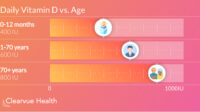
Start with a targeted approach: assess risk factors, consider a blood test for 25-hydroxyvitamin D, and discuss results with a clinician. If supplementation is recommended, dosing should be individualized. Too much can be harmful, so “more” isn’t always better.
Complement the nutritional angle with mechanical wisdom. Gentle mobility, balanced strengthening, and posture refinement help stabilize joints. Short walks can improve circulation and synovial comfort. Long, slow stretching can reduce stiffness without overloading tissues. If muscles are underpowered, strengthening becomes a quiet mediator between vitamin D physiology and joint stability.
Joint popping may never disappear completely. Yet when vitamin D deficiency is addressed, the connective tissue atmosphere can shift: less stiffness, steadier movement, and fewer “surprise” noises.