Hair loss is rarely a simple story. It often arrives wearing a familiar face—fatigue, shedding, thinning at the crown—yet the cause can be oddly circuitous. Vitamin D occupies a peculiar spot in this narrative. Many people associate it with scalp health and immune regulation, so the question feels counterintuitive: can high-dose vitamin D actually cause hair loss? The “toxicity paradox” suggests yes—under certain circumstances—yet the deeper fascination lies in how one nutrient can both nurture and destabilize, depending on dose, timing, and individual metabolism.
Vitamin D’s reputation: caregiver, not culprit
Vitamin D is widely discussed as a “supportive” nutrient for hair because it participates in the biology of the follicle. It influences cell differentiation, immune tone, and inflammatory signaling—factors that can affect whether hair grows smoothly or stalls. When vitamin D is low, the body can struggle to maintain certain protective pathways in tissues, and the scalp is no exception.
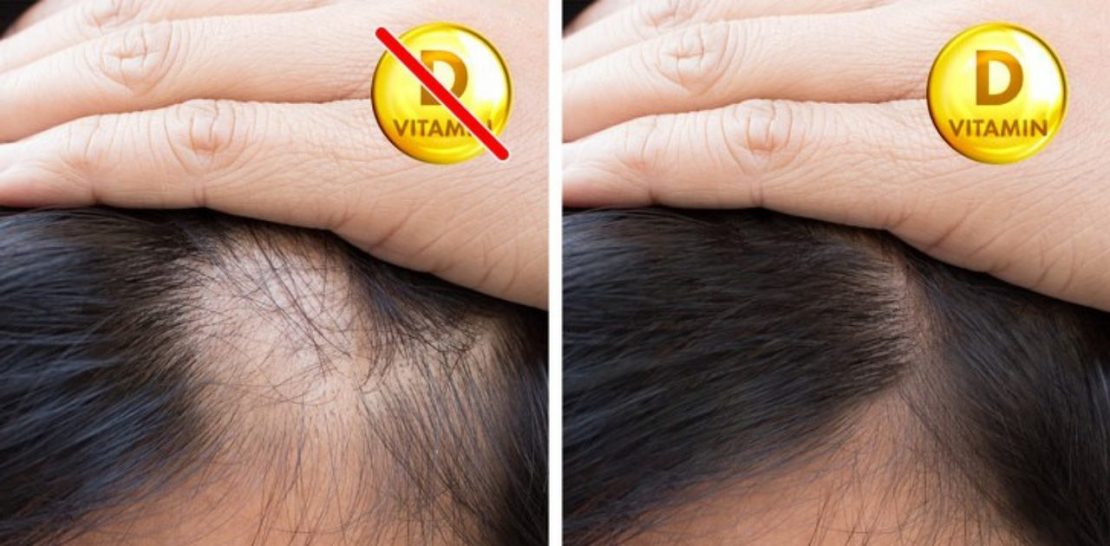
So the common observation makes sense: low vitamin D has been linked with hair shedding in many people, and correcting deficiency often improves overall wellness. That creates a mental bridge between vitamin D and hair growth. But a bridge can also become a trap if you cross it without considering load limits.
The toxicity paradox: what “high-dose” can actually mean
The word “high-dose” is sometimes used like a blunt instrument. In reality, “too much” depends on baseline levels, liver processing, kidney handling, genetic variation, and how long supplementation continues. Vitamin D is fat-soluble, meaning it can accumulate. With accumulation comes biochemical pressure—most notably hypercalcemia, elevated calcium in the blood.
When vitamin D rises beyond safe thresholds, the downstream effects can become disruptive rather than restorative. The body may shift from regulation to overdrive. Instead of supporting follicular cycling, it can trigger systemic stress responses that indirectly influence hair.
Think of vitamin D as a thermostat. In deficiency, you need heat. In excess, you can overshoot—and now the system becomes erratic.
How excess vitamin D might contribute to hair shedding
Hair follicles are dynamic mini-organs. They cycle through growth (anagen), transition (catagen), and shedding (telogen). Many forms of shedding—especially telogen effluvium—can be precipitated by a physiological “shock,” even if the trigger originates elsewhere in the body.
High vitamin D can contribute to that shock indirectly through several mechanisms:
Calcium dysregulation: Elevated calcium can affect nerve signaling, muscle function, and cellular regulation. Hair follicles do not live in isolation; they respond to the systemic environment.
Oxidative stress and inflammatory imbalance: Biochemical overload can tilt the immune system toward maladaptive patterns. Since inflammation is one of hair’s frequent antagonists, destabilized immune signaling may worsen shedding.
Endocrine friction: Vitamin D interacts with other hormonal axes and binding proteins. When vitamin D levels surge, the broader hormonal landscape can become temporarily “noisy,” which may influence follicular behavior.
None of these pathways are as direct as “vitamin D spills onto follicles.” Instead, the relationship is more subtle and more human—stress physiology, cellular signaling, and timing.
The timing clue: why the shedding may appear weeks later
One of the most confusing parts of this topic is timing. People often take a supplement, feel fine for a while, and then notice shedding much later. Hair is slow to reflect internal changes. A shift in follicle cycling can take weeks to become visible.
Telogen effluvium commonly follows a trigger that occurred earlier—sometimes 2–3 months before shedding becomes obvious. If high-dose vitamin D contributes to an internal imbalance, the hair response might lag behind the biochemical event.
That delay can make the association feel implausible, yet it is precisely how biology keeps its secrets. The body rarely sends instant receipts.
Subtle toxicity signs: when “more” starts sounding like “something’s off”
Vitamin D toxicity often announces itself through symptoms related to hypercalcemia. These can include nausea, constipation, excessive thirst, frequent urination, weakness, confusion, and in some cases kidney discomfort. Some people dismiss these as stress or dietary quirks.
Here’s the deeper issue: hair loss can be one symptom among several, and people may focus narrowly on scalp changes while the systemic context quietly worsens. A scalp is expressive, but it is not always the storyteller.
If hair shedding begins alongside unusual systemic symptoms, it becomes worth investigating vitamin D status rather than escalating supplementation.
Why deficiency links to hair growth—yet excess can reverse the lesson
Low vitamin D can be a missing cog. Supplementation may restore a baseline and help hair follicles behave more normally. But “restoring baseline” is not the same as “pushing beyond baseline.”
When levels move too far, the regulatory network can become saturated. Biological systems are not linear; they are adaptive. They respond vigorously up to a point, then they begin compensating, then they begin malfunctioning.
This nonlinearity is the heart of the fascination: vitamin D can look like a cure while actually functioning as a variable. The same nutrient can support growth in one range and destabilize it in another.
In other words, the paradox isn’t a contradiction—it’s a dosage reality.
Genetics, body size, and absorption: the hidden variables
Two people can take the “same” dose and end up with very different outcomes. Reasons include:
Body composition: Fat stores influence how vitamin D is stored and released.
Genetic differences: Variations in vitamin D metabolism can affect conversion, binding, and clearance.
Absorption efficiency: Gut health, bile flow, and dietary fats can alter absorption.
Existing lab values: If baseline vitamin D is already high, supplementation may elevate levels into a risky territory faster than expected.
This is why the “one dose fits all” mindset is so seductive—and so hazardous. Hair is personal. Nutrition is not a universal script.
Testing the truth: what to measure before escalating doses
Rather than guessing, lab work can clarify whether supplementation is needed and how aggressively it should be adjusted. Common tests include serum 25-hydroxyvitamin D, which reflects vitamin D status. When toxicity is a concern, clinicians may also check calcium (and sometimes kidney function).
If hair loss is the primary concern, testing helps avoid a common loop: supplement aggressively, watch shedding, and then assume vitamin D “must still be missing,” repeating the cycle.
Smart testing converts speculation into strategy.
Practical approach: reducing risk while supporting hair
If you suspect vitamin D might be involved, consider a cautious, evidence-informed strategy:
Pause excessive dosing: Avoid high-dose continuation without lab confirmation.
Re-check levels: Timing matters; re-testing after adjustments can prevent prolonged imbalance.
Support the whole system: Hair outcomes respond to iron status, thyroid function, protein intake, and overall inflammatory burden. Vitamin D is one piece, not the entire mosaic.
Use symptom context: If shedding is accompanied by systemic signs, it strengthens the case for medical evaluation.
A professional approach doesn’t chase a single lever. It harmonizes multiple variables.
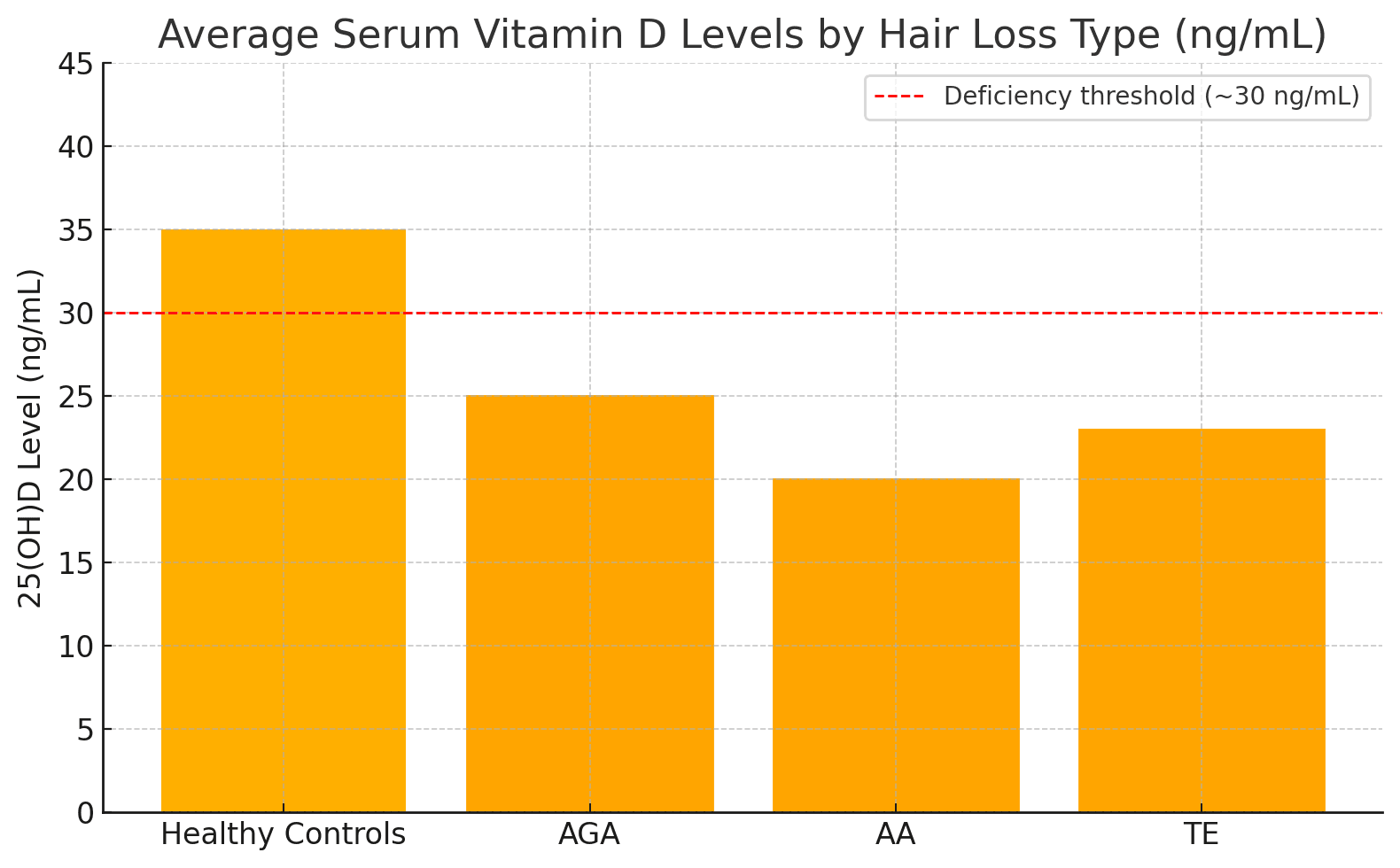
Image snapshot: how deficiency patterns are often discussed
Many people encounter charts and graphics that focus on vitamin deficiency and hair loss categories. Those visuals are often helpful for education, but they can unintentionally oversimplify the dosage reality—because the body doesn’t only care whether vitamin D exists. It cares how much, how long, and how it interacts with calcium regulation.

Conclusion: the real question isn’t “Can it happen?”—it’s “At what cost?”
High-dose vitamin D can, in certain circumstances, contribute to hair loss through systemic destabilization—an outcome that makes the toxicity paradox feel both unsettling and strangely logical. The fascination grows because vitamin D also has a supportive role, especially when deficiency exists. The biology is not rejecting vitamin D; it’s reacting to imbalance.
When hair sheds, curiosity can be a tool—but calibration is the priority. Testing, careful dosing, and attention to systemic context offer the clearest path forward. Hair may seem like it lives on the surface, yet it often reflects the inner chemistry of the body. Vitamin D is no exception.