Ozempic can feel like a quietly powerful ally—until you start wondering what, exactly, should travel alongside it. After all, if you’re adjusting appetite, glucose patterns, and energy levels, why wouldn’t your nutrition strategy evolve too? Here’s a playful question to set the tone: Are your supplements helping Ozempic, or are they quietly competing with it? Now for the potential challenge—timing. Some nutrients are best taken with food; others behave better in the morning; and a few can tangle with absorption or medication metabolism. Let’s walk through seven supplements that often make the most sense, with Vitamin D leading the lineup.
1) Vitamin D (the “#1” cornerstone for many people)
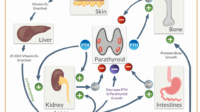
Vitamin D isn’t just a wellness buzzword—it’s a hormonal cofactor involved in immune regulation, muscle function, and metabolic signaling. When people begin Ozempic, they may unintentionally eat fewer calories or less consistently, and that can lower overall intake of nutrients that support bone and strength. That’s where Vitamin D enters like a steady stagehand: not loud, but essential.
Consider pairing Vitamin D with a meal that includes some dietary fat. Fat improves absorption, and Ozempic can sometimes reduce appetite in ways that indirectly affect how regularly you eat. If you tend to have low sun exposure, Vitamin D deserves even more attention. A blood test (25-hydroxyvitamin D) can guide the dose, because “more” isn’t always “better.”

Short version: Vitamin D is often the first supplement worth optimizing. Long version: it supports systems that Ozempic indirectly touches—mobility, resilience, and overall vitality.
2) Magnesium (for muscle comfort and metabolic harmony)
Magnesium is one of those supplements that can feel subtle at first. Then, over time, it may help with muscle relaxation, sleep quality, and even certain metabolic processes. Some people taking Ozempic report changes in bowel rhythm or overall dietary pattern, which can reduce magnesium intake if plant foods are limited.
Magnesium types matter. Magnesium glycinate is commonly chosen for gentle, well-tolerated use and often pairs nicely with evening routines. Magnesium citrate can be more stimulating for digestion—helpful for some, not ideal for everyone.
Timing tip: if magnesium tends to make you drowsy, take it at night. If it feels too energizing or causes loose stools, adjust the form or timing. The guiding principle is consistency. Your body loves predictability.
3) Omega-3s (to cushion inflammation and support cardiovascular health)
Ozempic’s benefits often include improved metabolic markers, but long-term health still depends on cardiovascular and inflammatory balance. Omega-3 fatty acids (EPA and DHA) are frequently used to support heart health and help modulate inflammatory pathways.
Think of omega-3s as a “lubricant” for cellular communication. Not dramatic, but consequential. They may also be relevant if your diet becomes more restrictive—fish intake can drop when appetite changes.
Take omega-3s with food, especially meals that include fat, to improve absorption and reduce the chance of “fishy” aftertaste. If you take blood thinners or have bleeding risks, you’ll want clinician guidance, since omega-3s can have mild anticoagulant effects at higher doses.
4) Fiber supplements (to keep digestion steady and cravings quieter)
Here’s a challenge that catches many people off guard: Ozempic can slow gastric emptying and reduce appetite, which sometimes affects bowel movements. Even if you’re eating “less,” you still need enough bulk and fermentation-friendly carbohydrates to maintain gut motility.
Fiber supplements—like psyllium husk—can add structure without being overly harsh. Psyllium is often gentle and can support both stool quality and satiety. It can also help with glycemic control by slowing carbohydrate absorption.
Hydration is non-negotiable with fiber. If you increase fiber but ignore water intake, you may feel uncomfortable or become constipated. Start low, increase gradually, and pay attention to how your body responds.
5) Electrolytes (especially if appetite or hydration fluctuates)
Supplements aren’t only about vitamins. When appetite changes, hydration habits can shift too. Some people on Ozempic experience nausea, and nausea can reduce fluid intake. Others simply forget to drink enough because “I’m not that hungry” can accidentally become “I’m not thirsty either.” That’s where electrolytes help.
Sodium, potassium, magnesium, and chloride support fluid balance and nerve signaling. If you’re sweating more, exercising, or eating less, you may need a targeted electrolyte strategy. Choose formulations without excessive sugar, and consider low-calorie options.
Be cautious with high-potassium products if you have kidney disease or medication interactions. Electrolytes should support your system, not outpace it.
6) Protein support (to reduce muscle loss risk during weight change)
Weight loss can be helpful, but the body doesn’t automatically know how to keep muscle. When calorie intake decreases, insufficient protein can tilt the balance toward lean mass loss. That’s why protein support—often via whey, casein, or plant-based blends—can be a practical supplement companion.
Protein powders aren’t magic; they’re scaffolding. They help you reach daily protein targets more easily when appetite is suppressed. Pair protein with strength training for the best “signal” to protect muscle tissue.
Timing can be flexible. Some prefer a morning shake; others find a post-meal protein addition works well. If you feel full quickly with Ozempic, smaller, distributed doses throughout the day can be more comfortable than a single large serving.
7) Probiotics or digestive enzymes (a “maybe” option—choose wisely)
Not everyone needs probiotics, but many people do benefit—especially if they experience bloating, irregular stools, or diet transitions. Your gut microbiome adapts to what you eat, and Ozempic often leads to dietary reshaping. That means your microbiome may need time—and sometimes support.
When selecting probiotics, consider strain specificity rather than vague “mega billion” claims. If you’re also using fiber, the two can work together in a symbiotic rhythm. Start slowly and monitor changes over a few weeks.
Digestive enzymes can be helpful for certain individuals, particularly if meals feel heavy or trigger discomfort. However, enzymes are not universally required. Think of them as a specialized tool for particular patterns, not a blanket solution.
How to integrate these supplements safely (the unglamorous part that matters)
Now comes the smooth transition into real-life strategy: supplement timing and safety. Some nutrients are fat-soluble (like Vitamin D and certain omega-3s), so pairing with meals improves absorption. Others, like magnesium, often fit best with nighttime routines. Fiber should be separated from medications by a few hours to avoid interference with absorption.
Short rule: don’t stack everything at once. Introduce one new supplement at a time when possible, so you can tell what helps and what disrupts your digestive comfort. Long rule: watch for interactions and underlying conditions, especially kidney issues, bleeding risk, or medication complexity.
Finally, keep your “signal system” honest. Energy, bowel habits, muscle comfort, and appetite stability are all feedback mechanisms. If a supplement makes you feel worse—stop and reassess. Your body is telling the truth.
So, are your supplements partnering with Ozempic—or are they quietly pulling the steering wheel? If you start with Vitamin D, build a foundation with magnesium and omega-3s, and then tailor fiber, electrolytes, and protein to your personal response, you’ll create a smarter, more resilient routine. The goal isn’t to collect supplements. It’s to design support that feels sustainable.