Ever wondered how your bones stay upright—through late nights, busy mornings, and the occasional sprint to catch the train? Here’s a playful challenge: think about your daily routine for one full week. Now ask yourself—are you helping your skeleton thrive, or quietly sabotaging it? Bones are not inert scaffolding. They are living tissue, continually remodeled. When lifestyle habits lean the wrong way, bone strength can thin out. That’s where vitamin D steps in like a reliable backstage crew—quietly supporting mineralization so your framework remains resilient.
1) Sun-avoidant habits: When daylight becomes a stranger
Vitamin D doesn’t come solely from food. Your skin manufactures it when exposed to ultraviolet B (UVB) rays. So if your day is mostly indoors—office lighting, car rides, and evening screens—your vitamin D production often suffers. Even in sunny climates, deliberate shade, heavy sunscreen use without mindful balance, and low outdoor time can reduce activation.
Imagine your body as a factory with a missing ingredient. The “ingredient” here is sunlight-driven vitamin D synthesis. Without enough vitamin D, calcium absorption in the gut becomes less efficient. That’s not just a nutrient issue—it’s a structural one.

2) Calcium under-delivery: Not enough building material
Vitamin D is essential, but it can’t build with empty hands. Bones primarily rely on calcium for hardness. When dietary intake falls short—due to low dairy consumption, limited fortified alternatives, or a diet heavy in processed foods—your body compensates by drawing calcium from bone stores. That may sound convenient in the moment, but over time it can weaken structural integrity.
Low calcium intake often travels with low vitamin intake overall. The outcome can be osteopenia or, in more severe cases, osteoporosis. Think of it like repeatedly pulling bricks from a foundation to patch a roof.
3) Inactivity and bone “forgetfulness”
Bones respond to mechanical stress. That means they strengthen when you load them: walking, climbing stairs, dancing, resistance training, and even brisk chores that keep your body moving. Sedentary stretches—think long sitting hours and minimal weight-bearing activity—send a signal that there’s less need for dense bone. Bones can become “economical,” reducing density because the stimulus is absent.
This is where biology gets subtly mischievous. Without movement, bones may not receive the message to reinforce. The result is a slower maintenance cycle, and slower maintenance can be costly.
4) Too much alcohol: The bone’s silent disruptor
Regular heavy alcohol intake can interfere with bone formation and increase the risk of falls, which raises the likelihood of fractures. Alcohol can also affect hormones involved in bone metabolism—particularly by disturbing how the body balances calcium and vitamin D. Over time, the remodeling process becomes less favorable, tilting toward bone loss.
Even if your diet is respectable, alcohol can create a biochemical fog. It’s not always loud, but it can be persistent.
5) Smoking and oxidative stress: A villain in the shadows
Smoking is associated with reduced bone density and impaired healing. It promotes oxidative stress and alters blood flow, which can undermine the supply lines that bones need for repair and renewal. Nicotine and other compounds may also interfere with hormone signaling that supports bone health.
If you’re trying to strengthen bones, smoking cessation can be a high-impact move. Bones heal best when inflammation and oxidative burden are kept in check.
6) Protein imbalance and micronutrient gaps
Protein is not only for muscles; it plays a role in the bone matrix. A diet too low in protein can limit the raw materials required for tissue remodeling. On the other hand, diets that swing between extremes—too little overall or too unbalanced—may also miss crucial nutrients such as magnesium, vitamin K, and phosphorus, which help coordinate mineralization.
In a healthy bone ecosystem, nutrients work like an orchestra. If one section is absent, the whole performance can sound off.
7) Excessive dieting and erratic nutrition: The stress response
Crash dieting, restrictive meal patterns, and prolonged energy deficits can push the body into a chronic stress state. That stress can disrupt sex hormones and impair bone remodeling. Inadequate energy intake can also reduce the availability of vitamin D, calcium, and protein—creating a perfect storm for weakening bones.
Sometimes the problem isn’t that someone avoids one food; it’s that their routine becomes inconsistent. Bones thrive with steady habits, not nutritional rollercoasters.
How vitamin D helps: The backstage hero of bone mineralization
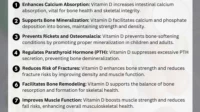
Vitamin D supports bones in two major ways. First, it helps the intestines absorb calcium more effectively. Without sufficient vitamin D, calcium absorption can be inefficient, even if your diet includes calcium. Second, vitamin D supports normal bone remodeling by influencing the activity of cells responsible for bone formation and resorption.
When vitamin D levels are adequate, calcium can be properly incorporated into bone tissue. That improves mineralization—the process that hardens and strengthens your skeleton. In practical terms, adequate vitamin D can be the difference between “calcium present” and “calcium usable.”
What to consider for vitamin D intake: Sun, food, and supplements
For many people, sunlight contributes substantially to vitamin D status. However, sunlight exposure varies widely based on latitude, season, skin tone, clothing coverage, and time spent outdoors. Dietary sources include fatty fish, egg yolks, and fortified foods like milk and cereals. Still, many individuals—especially those with low sun exposure—may require supplementation to maintain adequate levels.
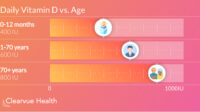
Because vitamin D is fat-soluble, it’s best approached thoughtfully. Testing vitamin D (25-hydroxyvitamin D) can clarify whether your lifestyle is giving your body enough. If supplementation is needed, dosing should be tailored to individual needs and guided by healthcare professionals.
Practical lifestyle upgrades: Turn the challenge into a routine
If your week-to-week habits feel like a slow leak in bone strength, you can reverse the trend with small, intentional changes. Aim for regular outdoor time when appropriate, especially during daylight hours. Pair it with weight-bearing movement—brisk walking, stair climbing, and resistance training. Ensure calcium-rich foods show up consistently, and include vitamin D sources when possible.
Also, audit lifestyle irritants: if alcohol intake is high or smoking is present, consider gradual steps toward reduction or cessation. Nutrition should become steady rather than dramatic. And if protein intake is low, nudge it upward with balanced meals.
Your bones respond to patterns. Not perfection—patterns. Make the next seven days kinder to your skeleton, and vitamin D can help translate that kindness into stronger mineralized structure.