
That familiar slump arrives like an appointment you never scheduled. You finish lunch, your motivation starts to dissolve, and suddenly the afternoon feels heavier—slow thoughts, drooping eyelids, a vague sense of “Is this all there is?” It’s tempting to blame caffeine, processed foods, or a mundane dip in productivity. But there’s another thread worth pulling: vitamin D timing. Not just whether you have vitamin D, but when your system gets exposed to sunlight and how that exposure choreographs downstream physiology. The result can be a rhythm—sometimes restorative, sometimes sabotaging—guiding energy levels across the day.
The Afternoon Crash: More Than “Post-Lunch Laziness”
Most afternoons feel like they’re operating under a script: digestion peaks, blood flow redistributes, and your brain drifts toward “rest mode.” Yet many people notice something more specific. Their energy drops even after a balanced meal. They feel foggy rather than simply relaxed. They can’t quite summon the same crisp mental focus they had in the morning. This pattern often suggests that the crash isn’t purely behavioral—it’s biochemical and circadian.
Vitamin D sits at a crossroads of immune regulation, mitochondrial function, and nervous system signaling. When these systems are out of sync, your energy isn’t merely lower; it can feel “wrong,” like your body is trying to run a familiar route on outdated navigation. The afternoon slump becomes a clue, not a complaint.
Vitamin D and Energy: The Hidden Link You Don’t See
Energy production depends on your cells’ ability to generate ATP—the usable currency of metabolism. Vitamin D influences pathways that support cellular efficiency and resilience, including processes connected to inflammation and immune modulation. A lower or poorly timed vitamin D status may tilt the body toward subtle inflammatory signaling. Even mild inflammation can influence fatigue perception, mental clarity, and perceived exertion.
There’s also the nervous system angle. Vitamin D participates in neurotransmission pathways and may indirectly affect mood, alertness, and stress responsiveness. When your regulation systems are stable, you experience smooth transitions between alertness states. When they’re not, afternoon fatigue can feel abrupt, like a thermostat being turned down.
Timing Matters: Vitamin D Is Not a Static Resource
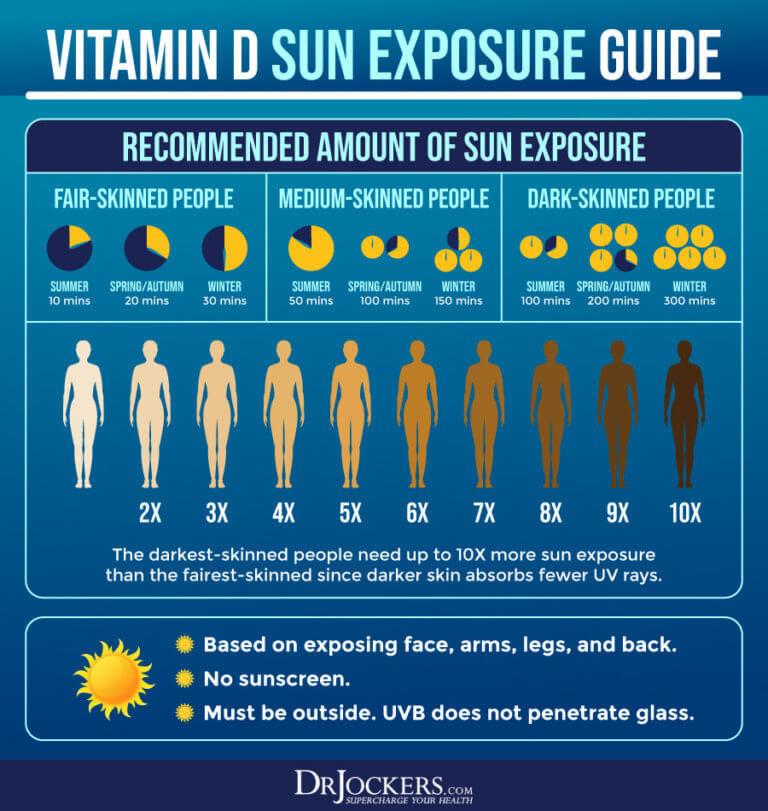
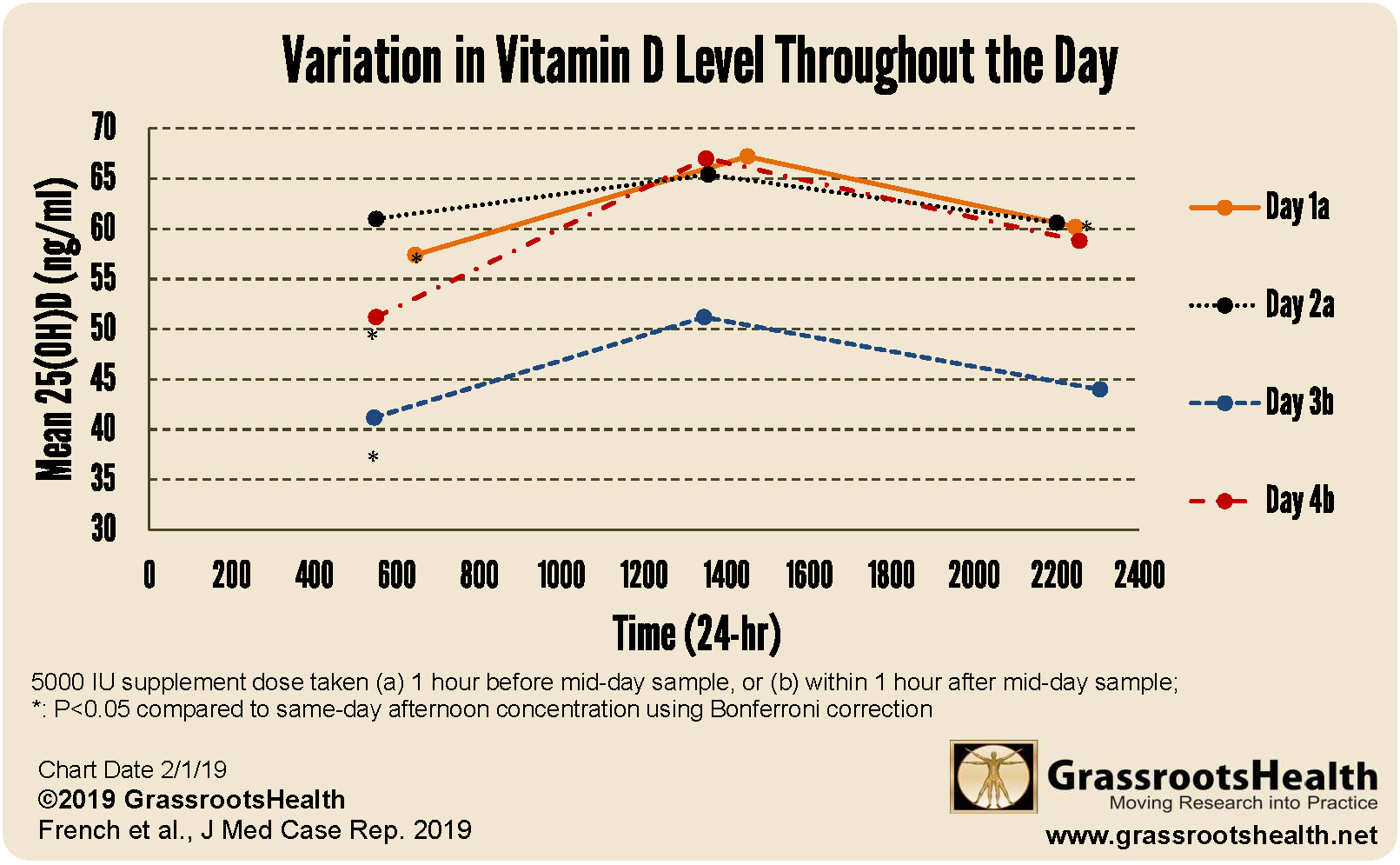
It’s easy to think of vitamin D as a fixed “level.” In reality, vitamin D dynamics are more like weather patterns than a single measurement. Levels can fluctuate due to sun exposure, seasonal factors, skin pigmentation, and behavioral patterns (outdoor time during weekends versus weekdays). Additionally, even when sunlight triggers vitamin D synthesis, the body doesn’t instantly convert everything into the forms that influence daily physiology.
This is where timing becomes fascinating. Your morning light exposure, midday outdoor activity, and evening habits can all shape how your body’s regulatory networks behave—especially in the hours when energy tends to collapse. The afternoon crash might be your physiology broadcasting: “We didn’t get the right signal at the right moment.”
Circadian Rhythm Meets Vitamin D Signaling
Circadian rhythm governs sleep-wake cycles, hormone output, and metabolic scheduling. Light exposure is a primary conductor. While vitamin D synthesis is driven by UVB, the broader biological “light message” travels through photoreceptors and cascades into clock genes. This means that sunlight doesn’t only build vitamin D—it also synchronizes the physiology that uses vitamin D’s downstream effects.
When the body’s clock is properly aligned, the afternoon energy drop is usually modest. But when clock signals are weak—less outdoor light, more indoor time, irregular sleep—vitamin D-related pathways may not integrate smoothly with energy-demand schedules. The result can be a pronounced slump, especially when workdays compress meal timing, stress levels, and screen exposure into a single, exhausting block.
In other words: you’re not just deficient or sufficient. You’re “timed,” or you’re not.
Blood Sugar Spikes, Inflammation, and the “Fatigue Echo”
Many afternoon crashes are attributed to blood sugar swings. After lunch, insulin responds, glucose levels shift, and energy can dip—especially if meals are high in refined carbohydrates. But there’s an underappreciated feedback loop. If vitamin D status is suboptimal, immune signaling can be more reactive. Inflammatory cytokines can influence insulin sensitivity and fatigue perception. So a blood sugar pattern that would be manageable under robust regulation may feel dramatically worse.
This creates the fatigue echo: the meal doesn’t just affect blood sugar; it interacts with your immune-metabolic environment. You feel the crash not only in your body but in your cognitive speed. The sluggishness may feel like mental resistance, as if your brain is running through treacle.
The Daylight Window: When Exposure Builds Momentum
Consider how people live. Some get sunlight early, others only step outside during the commute, and many don’t see direct daylight until late. Yet your body benefits from consistent daylight cues. Vitamin D timing is plausibly linked with when your body is primed to manage inflammation and maintain efficient energy pathways.
If you regularly get minimal daytime sunlight, your system may enter afternoon hours with less “biological readiness.” That readiness could include signaling that supports mitochondrial performance, stress resilience, and immune equilibrium—factors that strongly affect both physical stamina and mental sharpness.
Caffeine, Sleep Pressure, and Competing Signals
Caffeine can mask fatigue, but it doesn’t always fix the underlying drivers. If your afternoon crash begins partly from circadian mismatch, caffeine can delay the symptoms while the system accumulates sleep pressure and metabolic strain. Vitamin D-related pathways—indirect but meaningful—may influence stress hormones and immune modulation. When the body is already “under-cued” by light and vitamin D timing, caffeine can feel like fighting a tide.
Then there’s sleep quality. Poor sleep reduces insulin sensitivity and amplifies inflammation. If vitamin D status is also suboptimal, these forces can stack. The afternoon crash becomes a compound event, not a single cause.
Autoimmunity and Sensitivity: A Deeper Reason Some People Crumple
For some individuals, fatigue isn’t merely a lifestyle issue; it’s the visible end of an immunological pattern. Vitamin D plays a role in immune tolerance and the balancing of inflammatory responses. When immune regulation is unsettled, the body can perceive energy demands as threats rather than tasks. That shift changes how fatigue feels—less like tiredness, more like depletion.
If you notice the crash is extreme, accompanied by joint discomfort, brain fog, or heightened sensitivity to stress, vitamin D timing may be part of a bigger puzzle. It doesn’t mean the cause is singular. It means the afternoon crash might be a symptom of systemic regulation struggling to keep pace with daily life.
Practical Timing Strategies Without Overcomplication
You don’t need a laboratory schedule to make a difference. Start with daylight consistency. Aim for outdoor exposure earlier in the day when possible. Even short periods of skin exposure can contribute to vitamin D synthesis, while morning light supports circadian alignment. Keep the timing steady: the body loves predictability.
Next, examine meals. Reduce reliance on high-glycemic patterns that intensify post-lunch glucose swings. Pair carbohydrates with protein and fiber. This helps blunt the afternoon dip so your regulation systems don’t need to work overtime.
Finally, treat supplementation thoughtfully if recommended by a clinician. The goal isn’t only higher numbers—it’s better timing relative to your routines. Some people do best with sunlight-driven habits complemented by targeted supplementation. Others benefit from a carefully monitored approach to stabilize levels across seasons.
How to Tell If Vitamin D Timing Is Part of Your Pattern
Look for recurring signatures: an afternoon crash that’s stronger on low-sunlight days, persistent fatigue despite decent sleep, or energy that improves on weekends when outdoor time increases. Note whether symptoms track with seasons. If your fatigue clusters with inflammatory complaints—headaches, muscle aches, brain fog—consider that vitamin D timing might be interacting with immune equilibrium.
A practical step is to discuss vitamin D assessment with a healthcare professional, especially if fatigue feels disproportionate or stubborn. Measuring status can clarify whether the issue is vitamin D quantity, timing, or a related factor like iron, thyroid function, or sleep disorders.
The Fascination: Your Body Is Timing-Obsessed
The deeper reason this topic grips attention is simple: biology runs on schedules. Light, circadian rhythm, immune balance, and cellular energy production all speak the language of timing. Vitamin D sits at an intersection of those systems, which means your afternoon crash may not be random—it may be a misalignment.
When your body receives the right environmental cues, energy doesn’t just rise; it becomes steadier. The afternoon slump loses its authority. You can still feel the natural post-lunch shift, but it no longer feels like a shutdown. It feels like a manageable transition—one your physiology is finally fluent in.