Ever notice how your “morning stretch” turns into a small negotiation with your joints after you cross 40? One day you’re fine, the next you’re counting out minutes for your knees to “wake up.” That little lag isn’t imaginary—and it’s not just attitude. Joint and bone health after 40 is influenced by a whole ecosystem of nutrients, habits, and physiology. Two players deserve especially thoughtful attention: vitamin D and collagen. They don’t work like magic wands, but together they can support a sturdier framework, a smoother range of motion, and a more resilient musculoskeletal system.
Why After 40 Feels Different: The Playful Problem of Stiffness
Here’s the question: What if your body is simply running a slower maintenance schedule? After 40, cartilage can become less forgiving, bone remodeling may shift, and muscle support for joints can become less efficient. The result is often stiffness, creaky movement, or that “tight band” sensation when you stand up or climb stairs.
It’s a potential challenge—not because you’re doomed, but because your routine may require a smarter upgrade. Think of joints as hinge assemblies wrapped in a living cushioning system. Collagen provides much of the structural “fabric,” while vitamin D helps coordinate bone mineralization and muscle function. When either is lacking, the system can start feeling less cooperative.
Vitamin D: The Signal for Strong Bones (Not Just a Sunbathing Myth)
Vitamin D is often misunderstood as a simple sunshine souvenir. In reality, it’s more like a hormonal messenger. It helps your body absorb calcium and contributes to normal bone mineralization. When vitamin D levels are low, bones may become less dense over time, and muscles may not perform at their best—both of which can affect joint comfort.
Vitamin D status depends on several factors: sunlight exposure, skin pigmentation, age-related changes in skin’s ability to synthesize vitamin D, dietary intake, and geographic latitude. This is why some adults experience “mild deficiency” for years without realizing it.
Also, vitamin D doesn’t work alone. Calcium, magnesium, vitamin K, protein intake, and regular mechanical loading all influence how bones respond. Still, vitamin D is often the missing link that makes other efforts less effective.
Collagen: The Structural Support Behind Flexible Movement
Collagen is the most abundant protein in the body, and it’s not only found in skin. It’s a key building block in connective tissues, including cartilage and ligaments. While collagen doesn’t “replace your youth,” it can support the maintenance of tissue structure that helps joints handle repeated motion.
As we age, collagen turnover may slow. Collagen-based supplements (often provided as peptides) are designed to deliver amino acids that the body can use for tissue repair and remodeling. Some people notice improvements in joint comfort during activities like walking, climbing stairs, or recovering from exercise.
Here’s the twist: joint discomfort is rarely caused by a single factor. It’s frequently a blend of reduced cushioning, muscle-tendon coordination changes, and gradual wear-and-tear. Collagen can address the structural side of that equation.
The Synergy: How Vitamin D and Collagen Can Work Together
Vitamin D and collagen bring complementary benefits. Vitamin D supports bone health and muscle function, which can indirectly reduce stress on joints. Collagen supports the connective tissue matrix that helps joints glide and absorb impact.
Picture a well-built home: vitamin D helps with the strength of the foundation and the stability of the structure. Collagen helps with the flexibility and resilience of the internal framework. Even if one part is decent, the whole system performs better when both are supported.
When you move more comfortably, you tend to exercise more consistently. That consistency matters. Strengthening muscles around joints improves tracking and reduces mechanical strain—turning a nutritional approach into a lifestyle advantage.
What to Look For on Labels: Peptides, Dosage, and Formulation Choices
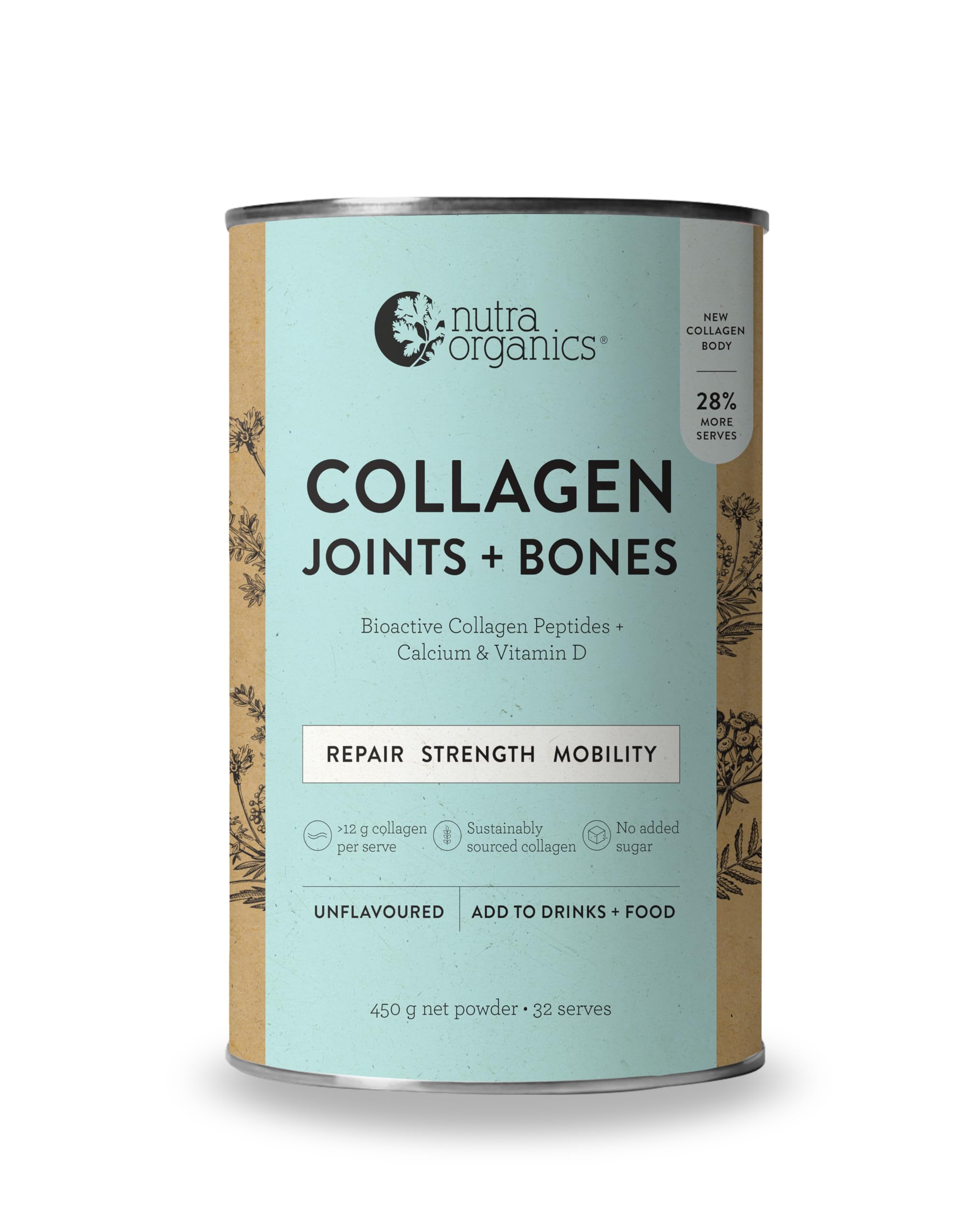
Not all collagen products are created equal. Many people choose collagen peptides because they’re typically easier to incorporate into daily routines. Unflavoured options can also be useful if you prefer mixing into water, smoothies, or even oats without altering taste.
When selecting a collagen product, consider the dosing amount per serving, the type of collagen, and whether it includes added ingredients aimed at joint support. Vitamin D supplementation, on the other hand, should be approached with attention to your baseline needs. Too little can be unhelpful; too much can create problems.
If possible, consider discussing vitamin D needs with a healthcare professional—especially if you’ve had limited sun exposure, darker skin tones, certain dietary restrictions, or a history of low vitamin D.
Collagen for Joints: Daily Habits That Help It Shine
Collagen is not a standalone strategy. If you want it to “earn its keep,” pair it with joint-friendly routines. Consistency wins. Gentle daily movement—like walking, cycling, or mobility drills—can reduce stiffness and improve circulation.
Strength training is especially powerful after 40. When muscles strengthen, they absorb more workload, meaning joints aren’t forced to carry every burden. Focus on movements that support function: squats to a chair, hip hinges, step-ups, and resistance-band work for stability.
Hydration and adequate protein intake also matter. Collagen supplementation can help provide amino acids, but your body still needs enough total building material to support repair.
Bone Health After 40: The Vitamin D Pillar
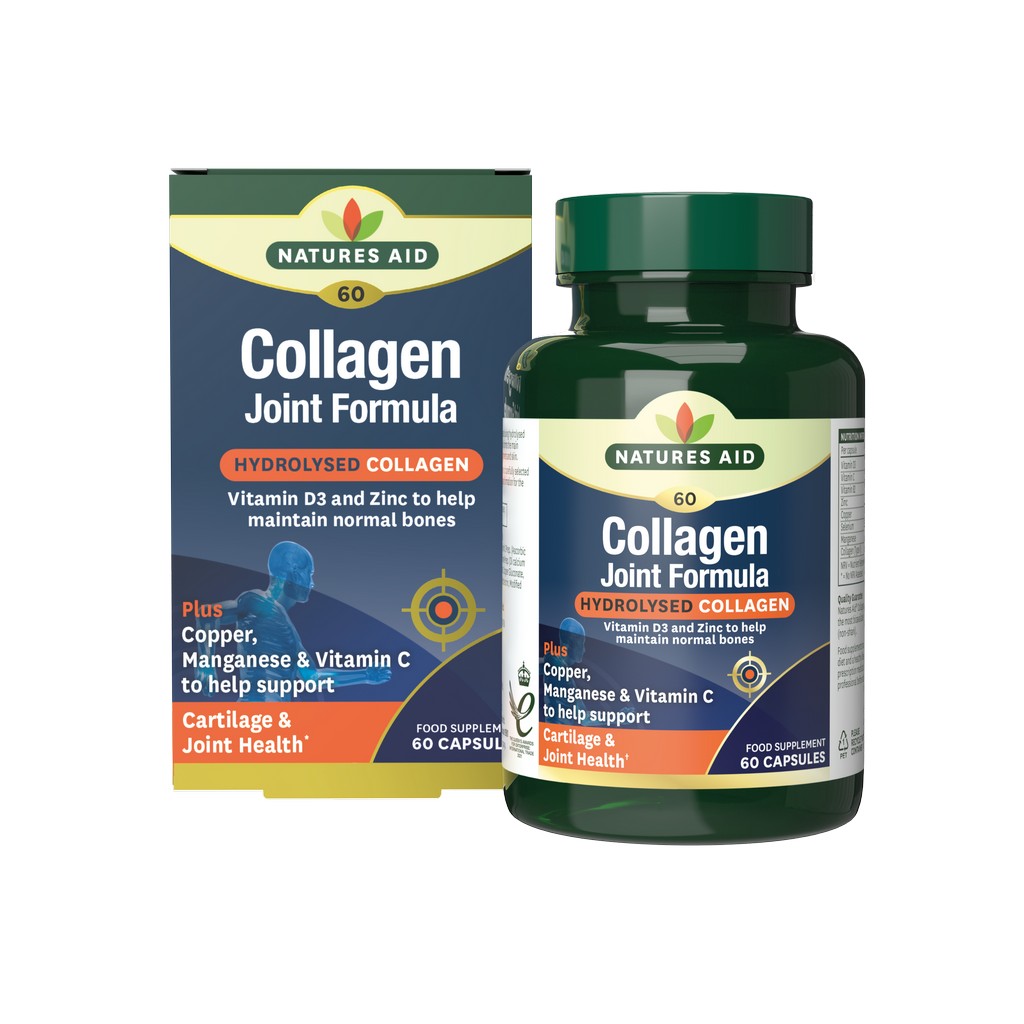
Bone health is a moving target. Bones are living tissue that constantly remodels. After 40, the balance between bone formation and bone resorption may shift. Vitamin D supports calcium absorption and helps maintain normal bone function, which is especially relevant when paired with strength training.
Calcium intake should not be neglected. If dietary intake is low, vitamin D may have limited capacity to help. Also, vitamin K works in the background of bone metabolism, and magnesium contributes to mineral balance. Think of vitamin D as the stage manager, but calcium and other nutrients are part of the cast.
Weight-bearing exercise, such as brisk walking, stair climbing, or dancing, provides mechanical cues that bones respond to. Your body interprets loading signals as “this structure is needed.”
Pose a Playful Question: Are You Treating Stiffness Like a Normal Part of Life?
Here’s a playful challenge: Is your joint discomfort becoming so familiar that you’ve stopped asking questions? It’s easy to shrug and say, “That’s just how it is after 40.” But stiffness can be a clue—sometimes to low vitamin D status, sometimes to reduced mobility habits, sometimes to inadequate protein or strength training, and sometimes to an underlying issue that deserves attention.
Instead of accepting it as fate, experiment with smart inputs: optimize vitamin D support, add collagen to a routine, and strengthen the muscles that stabilize your joints. Track how you feel after 4–8 weeks. Movement tolerance is a practical metric, not a vague promise.

Safety, Expectations, and When to Seek Professional Guidance
Supplements are tools, not replacements for medical care. If you have conditions affecting calcium metabolism, kidney function, parathyroid disorders, or are on medications (including certain anti-seizure drugs, corticosteroids, or thyroid medication), vitamin D decisions should be guided by professional advice.
Expectations should be realistic. Some people notice improvements in joint comfort relatively quickly, while others take longer. Bone density changes typically require time—measured in months and years—rather than days.
And don’t underestimate recovery. Sleep quality, stress reduction, and manageable training volume all influence inflammation and repair processes. When the body rests, nutrients can be redirected toward maintenance and rebuilding rather than constant firefighting.
Putting It All Together: A Practical Routine for Joint and Bone Resilience
So, what does a “best chance” routine look like? Start with vitamin D support based on your needs, encourage calcium-rich foods if appropriate, and add collagen peptides consistently. Then build the scaffolding around the supplements: strength training for stability, mobility work for range of motion, and weight-bearing activity for bone cues.
Choose something sustainable. A plan you can follow beats a perfect plan you abandon. Your joints want a relationship—steady, supportive, and respectful of how tissue adapts over time.
After 40, your body may not be asking for miracles. It may be asking for strategy. And vitamin D plus collagen—paired with movement and nutrition—can be a well-informed starting point for that strategy.