Imagine Vitamin D as a quiet courier in your bloodstream—talented, persistent, and strangely dependent on the right delivery vehicle. Vitamin D doesn’t simply “show up” and magically do its work. Instead, it behaves like a well-dressed traveler who needs a warm coat. That coat is dietary fat. When fat is present, Vitamin D can ride along more effectively, reach its destinations, and help orchestrate cellular events that influence immunity, bones, mood, and metabolic health.
Vitamin D: The Lipid-Loving Messenger
Vitamin D is often described as a vitamin, but it acts more like a hormone with a mission. Its structure and behavior resemble compounds that prefer lipid-friendly environments. In practical terms: when you take Vitamin D without fat, you may be asking it to cross a river in winter—possible, but inefficient and slow. With fat, the “river” becomes navigable.
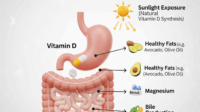
Fat assists with digestion and absorption by encouraging bile release and forming tiny delivery packages in the gut. These microscopic parcels are like baggage compartments at an airport—organized, efficient, and designed to help fat-soluble substances move forward rather than get stranded. The result is improved bioavailability, meaning more of the Vitamin D you swallow actually becomes available to your body.
So the key idea is simple, yet scientifically elegant: Vitamin D is fat-soluble, and the digestive system is built to shuttle fat-related cargo.

Why Fat Makes Absorption More Efficient
After you eat, your body turns food into signals and building materials. When fat is included, bile acids are released. These bile acids act like emulsifiers—an alchemical mechanism that breaks larger fat droplets into smaller particles. Smaller particles equal more surface area, and more surface area means better contact with intestinal cells.
Vitamin D, being fat-soluble, integrates into these lipid particles. Think of it as a stowaway that only remains safely hidden in a moving container. Without fat, that container is less plentiful, and absorption can drop. With fat, the container appears more often, and the stowaway travels farther.
There’s also a timing component. Many people take supplements on an empty stomach, then wonder why the results feel subtle. Nutrient absorption often works best when your digestive environment is active—during or after meals—because the body is already engaged in processing and transport.
The Body’s Chemistry: From Gut to Circulation to Action
Once absorbed, Vitamin D does not stop at “entering the bloodstream.” It becomes a biochemical traveler with multiple destinations. In the body, Vitamin D is converted into active forms through hepatic and metabolic steps. This transformation is influenced by overall nutritional status and how efficiently the initial Vitamin D reaches systemic circulation.
Here, the “fat advantage” continues. Since fat improves delivery to the bloodstream, it increases the raw material available for those conversion pathways. In other words: the better the loading dock operates, the more reliably the factory receives its inputs.
That matters because Vitamin D is involved in gene regulation—subtle, downstream effects that shape how cells behave. These include signaling pathways tied to bone mineralization, immune coordination, and inflammatory balance.
Bone Health: Vitamin D as the Builder’s Foreman
Consider your bones as a long-term construction site. Calcium and minerals are the bricks and mortar. Vitamin D is the foreman who ensures the materials are delivered to the correct workers at the correct times. Without adequate Vitamin D activity, calcium absorption can become less efficient, and the remodeling process may wobble.
Taking Vitamin D with fat supports the upstream step: getting sufficient Vitamin D into circulation. Over time, consistent bioavailability helps the body maintain a more stable environment for bone integrity.
Short term, you might not notice anything dramatic. Long term, your skeletal system benefits from steady governance—like having a calm, competent manager instead of a chaotic contractor.
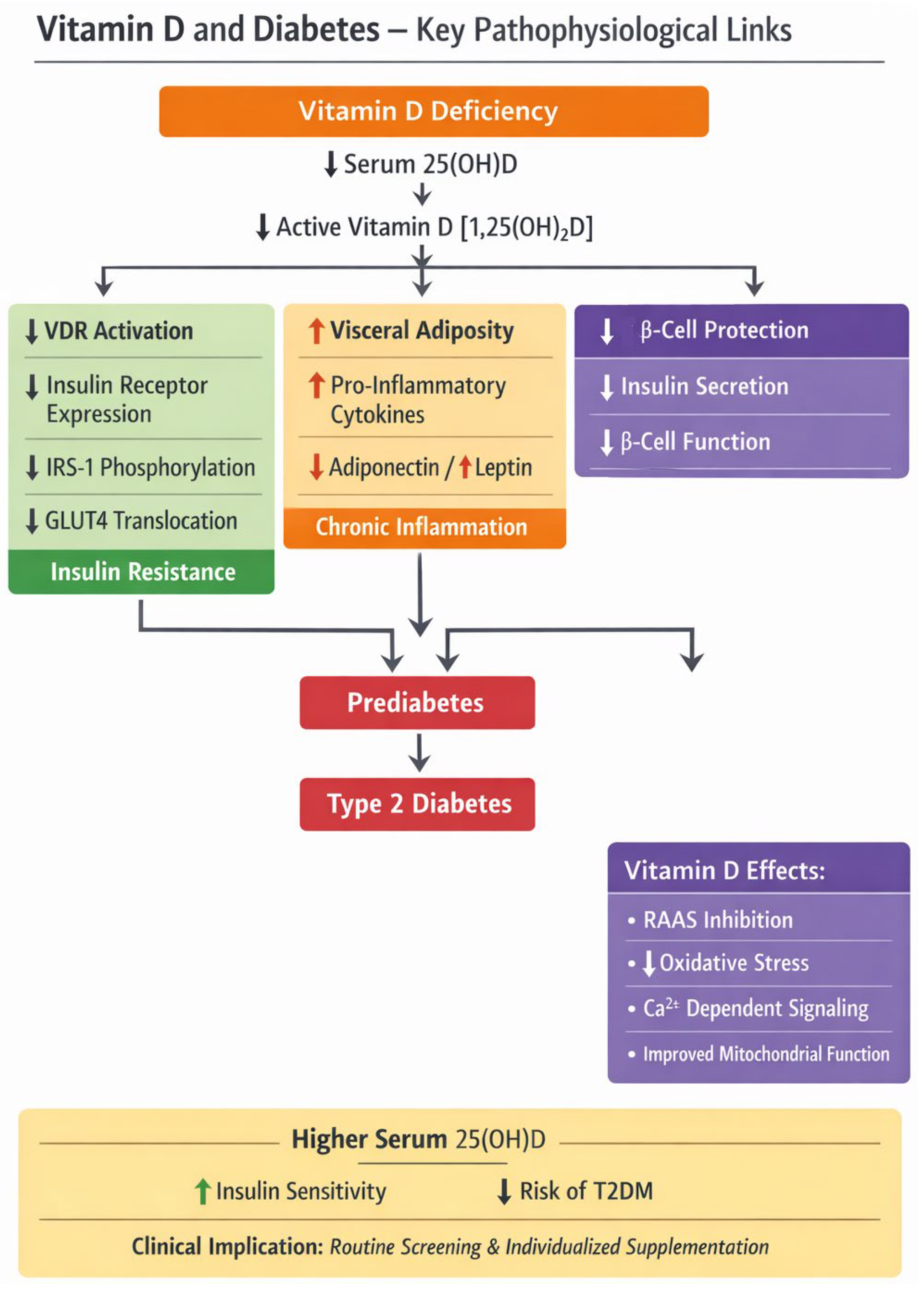
Immune Function and Inflammation: The Quiet Security System
Vitamin D influences the immune response, acting like a regulator rather than a simple “on/off” switch. It supports immune cell behavior and may help calibrate inflammatory responses. This is one reason Vitamin D is frequently linked with overall wellness and resilience.
If absorption is inconsistent—say, because Vitamin D is taken without fat—the body’s regulatory capacity can become patchy. With fat, absorption is often more reliable, which may help maintain more consistent levels. Your immune system, after all, prefers predictability. It’s not a theater performance; it’s a 24/7 control room.
The intriguing part is that Vitamin D’s impact is often indirect and network-based. It doesn’t just “boost immunity.” It participates in balancing processes that determine whether inflammation becomes constructive or disruptive.
Metabolic Context: Why “Obesity and Vitamin D” Is a Real Conversation
Body fat composition changes the Vitamin D landscape. Because Vitamin D is fat-soluble, its distribution and storage within adipose tissue can affect measurable levels in the bloodstream. In some situations, Vitamin D may be sequestered more than desired, meaning the body may require more strategic supplementation or careful timing.
This doesn’t reduce the importance of Vitamin D—it reframes it. Taking Vitamin D with fat may improve absorption, helping counteract inefficiencies that can arise when distribution dynamics are altered. The goal is not to chase numbers; it’s to improve functional availability.
Metabolic health is multi-layered, and Vitamin D sits within that layered system. A consistent absorption strategy becomes one thread in the wider tapestry.
How to Take It: Practical Pairings That Feel Natural
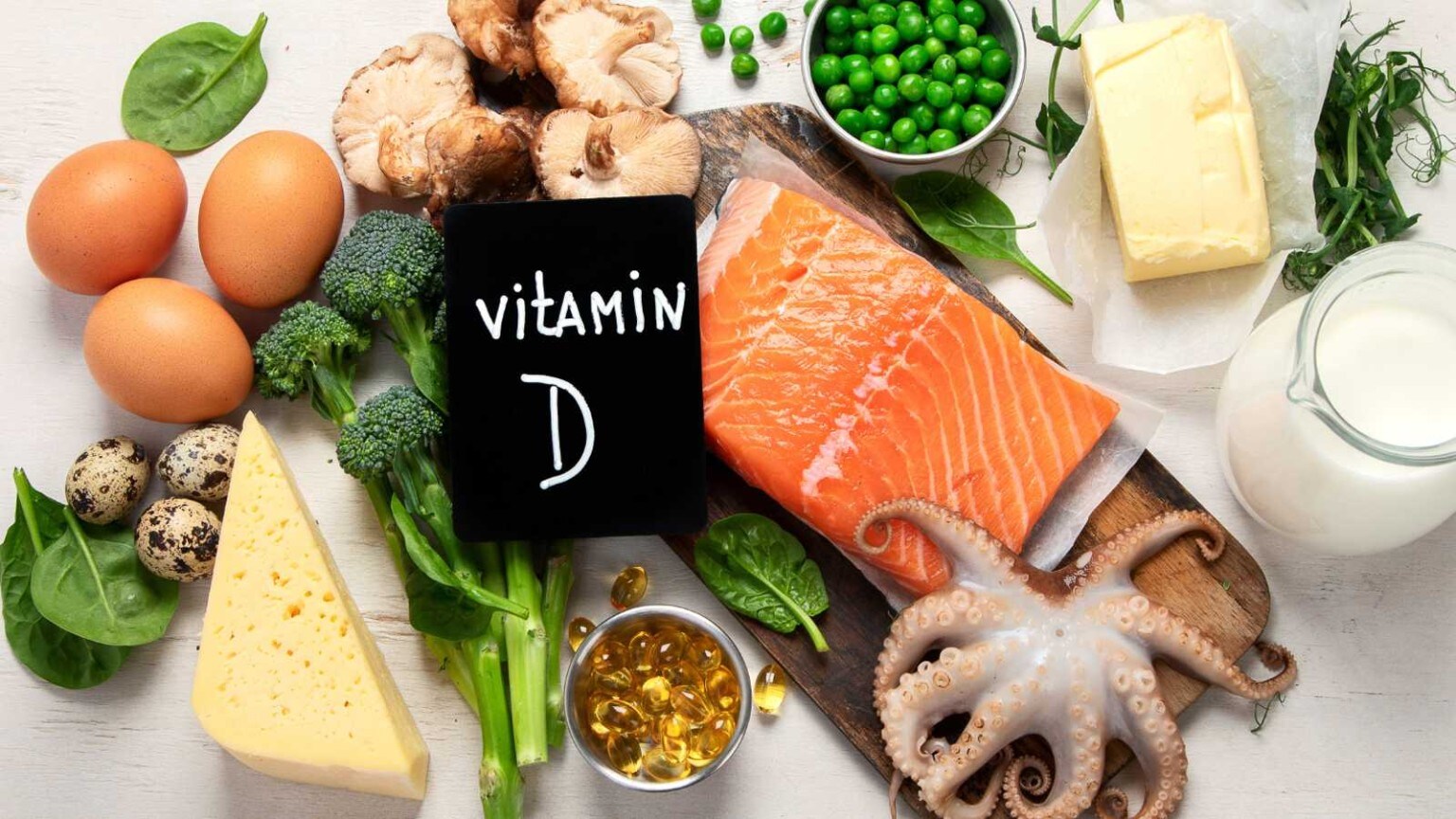
Think of Vitamin D as a spice that behaves better in a sauce than in dry seasoning. Pair it with a meal containing healthy fats. This could be as simple as taking your supplement with breakfast that includes eggs, yogurt, olive oil-based dishes, avocado, nuts, or fatty fish.
Instead of treating Vitamin D as a standalone item, treat it as part of food chemistry. Short and sweet rule: take it with a meal that has some fat.
If you’re using a supplement form like softgels, the “with fat” concept often aligns naturally with how the capsule is designed to dissolve and travel. Still, your meal timing and content remain crucial.

Signs of Inadequacy: When Your Body Might Be Asking for More
Vitamin D deficiency can be subtle. Fatigue, muscle aches, and mood changes are sometimes reported. But symptoms are not diagnostic. The most reliable approach is to use blood testing guided by a qualified clinician.
When deficiency is present, the question isn’t only “Do I take Vitamin D?” It’s also “How effectively am I absorbing it?” If absorption is poor, you may consume a dose but fail to achieve the level your body requires for optimal function.
That’s why the fat pairing matters. It transforms Vitamin D from a hope into a plan.
Common Mistakes: The “Empty Stomach Trap” and the Overconfidence Illusion
The most frequent misstep is taking Vitamin D without food—or with a meal that is nearly fat-free. Another issue is inconsistency: taking it one day, forgetting for weeks, and then trying to compensate. Your body prefers regularity, not dramatic gestures.
There’s also the tendency to focus solely on the supplement dose while ignoring absorption mechanics. Dose is only one variable. Timing, meal composition, and individual absorption differences can be equally influential.
Finally, remember that fat intake shouldn’t become excessive or reckless. The aim is a reasonable meal context—enough lipid environment to support absorption, not a nutritional overcorrection.
Safety and Personalization: Make It a Guided Choice
Vitamin D supplementation can be beneficial, but individualized dosing is important. People vary by baseline levels, sun exposure, body composition, diet, and medical context. Some individuals may need monitoring and tailored regimens.
If you’re taking other medications, have chronic conditions, or are pregnant, it’s wise to discuss supplementation with a healthcare professional. Safety is not an afterthought—it’s part of the same intelligent system that supports absorption and utilization.
When Vitamin D is taken with fat in a meal-friendly routine, it becomes easier for your body to do what it already knows how to do: convert, regulate, and maintain.
The Takeaway: Turn Vitamin D into a Delivered Package
Vitamin D with fat is not a trendy add-on—it’s a functional principle. Fat provides the transportation infrastructure your body uses to absorb fat-soluble nutrients. Without it, Vitamin D may arrive late, arrive in smaller amounts, or arrive less efficiently. With it, the journey becomes smoother and more dependable.
So treat your supplement like a well-planned delivery: pair it with a meal that includes fat, keep your routine consistent, and let your body’s chemistry do the rest. Vitamin D is ready to work—your job is to make sure it has the right vehicle.