Ever wonder if your vitamin D intake is doing cartwheels in your bloodstream—or just sitting there, politely underachieving? Here’s the playful challenge: imagine vitamin D as a key that fits many locks, but only the right door opens at the right time. Your age, your weight, and your sun exposure all conspire to determine how much of that key you need. Get the dose wrong and you may feel fine for a while… until the body quietly starts asking for better alignment.
Vitamin D: Not a Single Dose, but a Moving Target
Vitamin D behaves less like a one-size-fits-all supplement and more like a dynamic thermostat. Your skin manufactures it when ultraviolet B light reaches the right receptors. But the thermostat is influenced by season, latitude, cloud cover, time outdoors, and even how much sunscreen you use. Then comes the internal factor: as we age, skin becomes less efficient at producing vitamin D. Meanwhile, body composition can alter vitamin D’s “distribution” and storage patterns.
So the “correct” dose isn’t a number plucked from the air. It’s a calculated estimate based on multiple variables, ideally guided by a blood test. Still, many people can start with a sensible framework before they ever step into a lab.
Age Matters: Your Skin’s Vitamin D Workshop Changes
Think of your skin as a workshop that can run at full capacity—during youth. With time, that production line slows down. Older adults often need more support to maintain adequate vitamin D status, not because the body becomes incapable, but because its conversion machinery becomes less vigorous.
Additionally, age affects how other systems interact with vitamin D: calcium regulation, bone turnover, muscle function, and even immune signaling pathways. That means vitamin D adequacy tends to become more consequential as the decades accumulate.
In practical terms, this often translates to higher likelihood of insufficiency in older adults, especially if outdoor exposure is limited. If you’re in that stage where walking feels easier than climbing stairs—but you still want to feel strong—vitamin D may deserve a closer look.
Weight and Body Composition: The “Volume” Problem
Vitamin D is fat-soluble, which is a fancy way of saying it can be stored in adipose tissue. This storage behavior can create a dilution effect: a person with more body fat may have a larger “distribution volume,” meaning the same dose can yield lower blood levels than it would in someone with less body fat.
Therefore, weight can influence dosing needs. Not everyone with higher weight needs dramatically more, but the probability of underdosing increases when weight is ignored. It’s not about perfection; it’s about avoiding the common scenario where vitamin D is taken regularly, yet blood levels remain stubbornly low.
Here’s the twist: your goal isn’t just “taking vitamin D.” Your goal is achieving and sustaining a target blood concentration that supports bone health and broader physiological functioning.
Sun Exposure: The Easiest Source Isn’t Always Easy
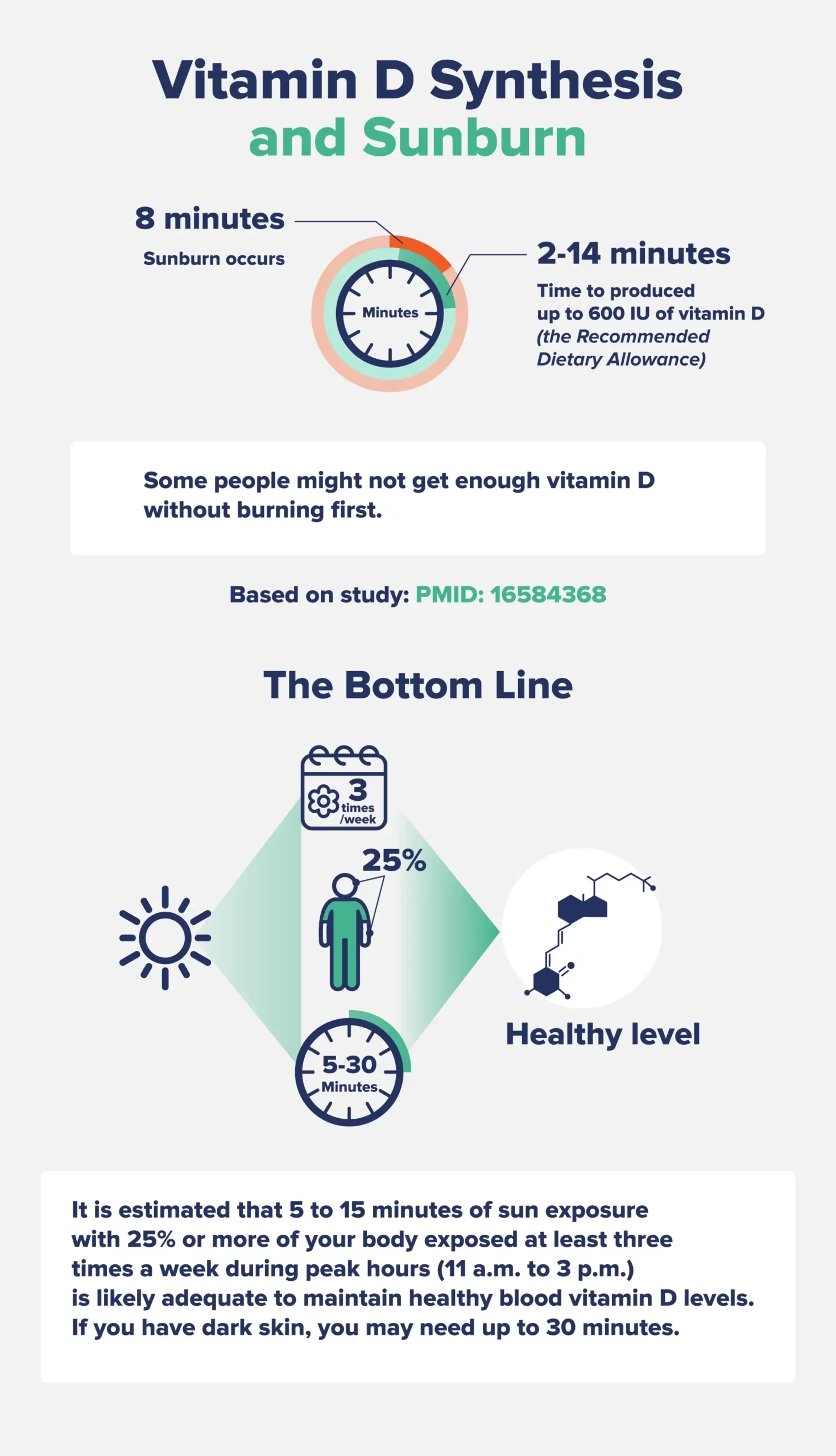
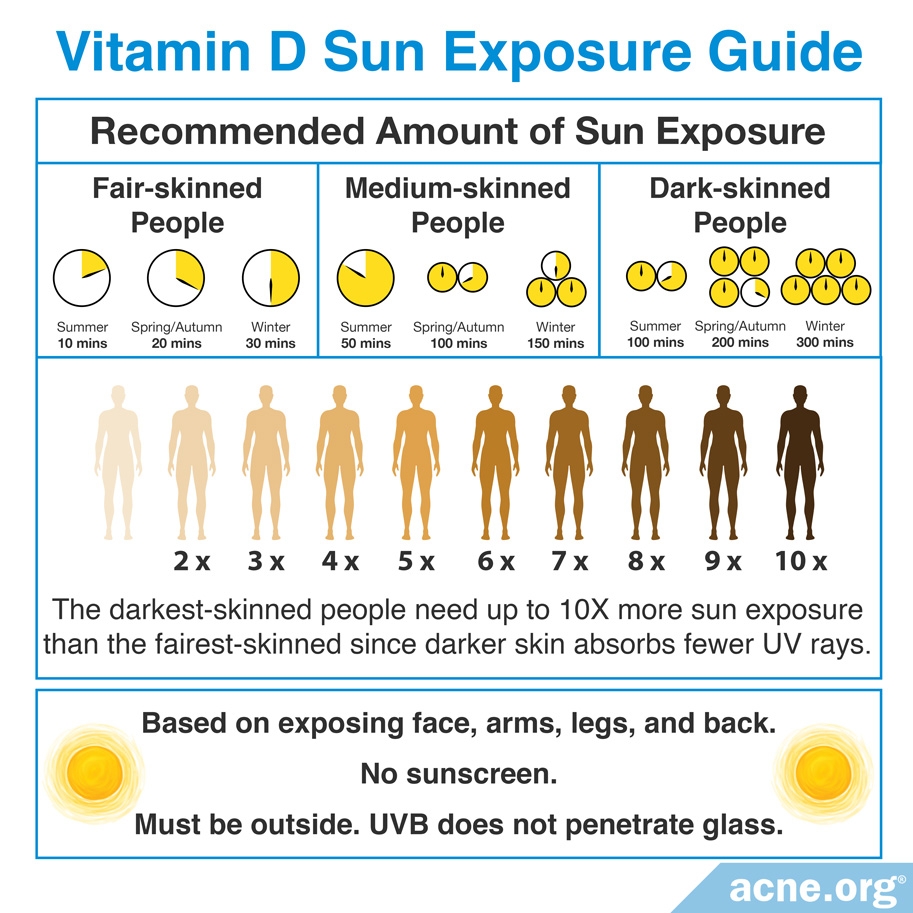
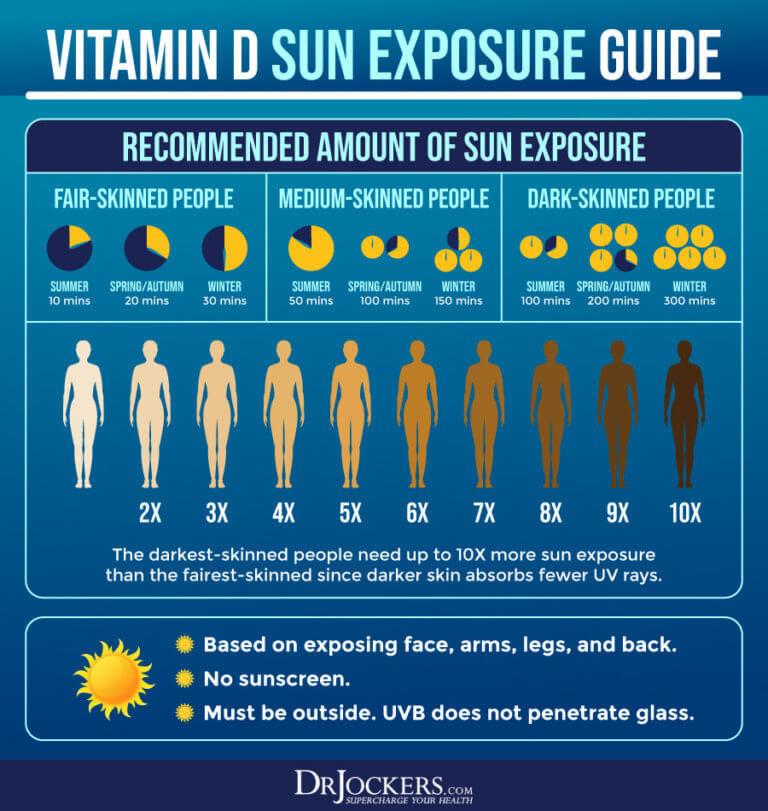
Sunlight can be helpful, but it rarely acts like a predictable meter. Your latitude, season, skin pigmentation, clothing habits, and time of day all affect vitamin D synthesis. A quick lunch break in summer may be different from an hour outdoors during winter when the sun’s angle is less cooperative.
Sunscreen complicates the story too. It reduces UVB penetration, which can lower vitamin D production—yet it also prevents skin damage. Since skin health is non-negotiable, most people should treat sunscreen and sun exposure as a balancing act rather than a binary decision.
Most importantly, “sun exposure” includes behavior. If your days are mostly indoors and your evenings resemble a screen-lit cave, dietary and supplemental sources become more relevant.
A Practical Starting Point: How Doses Are Often Approached
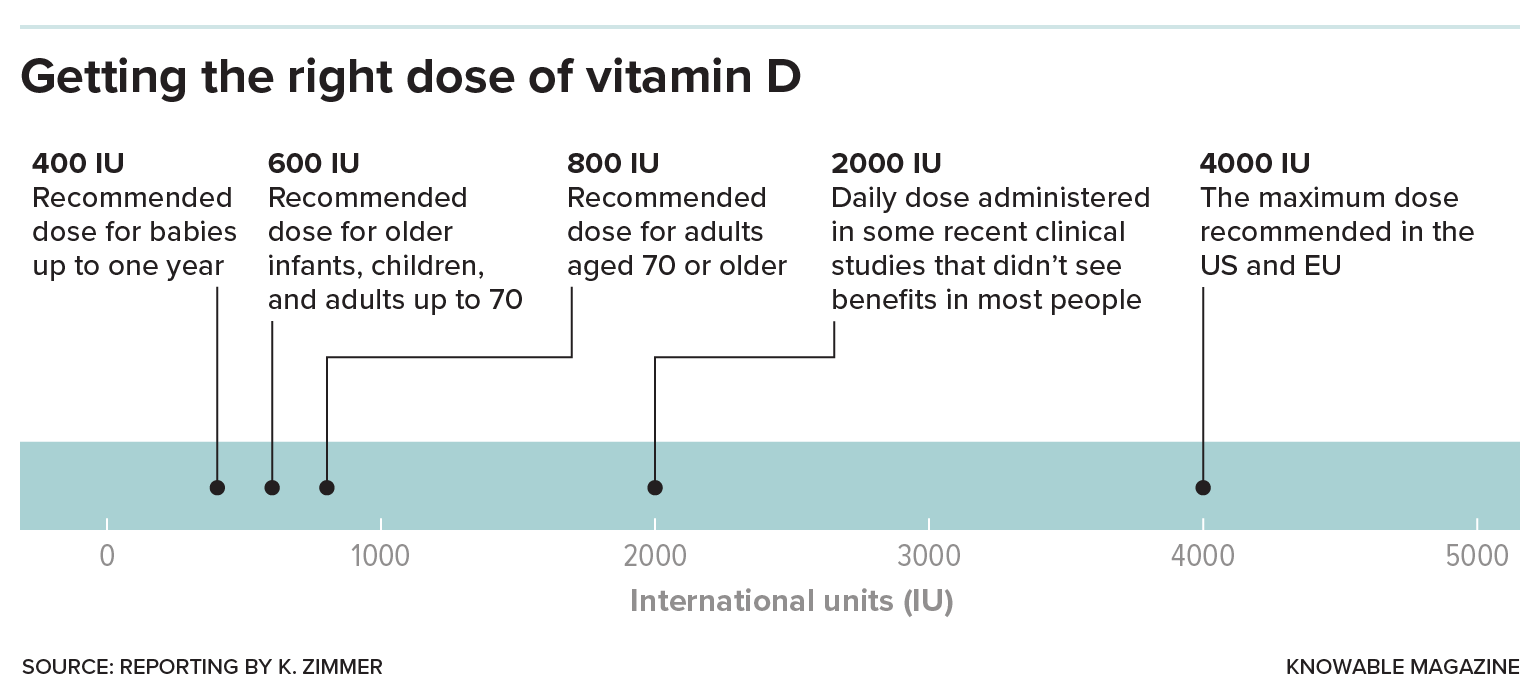
Many people begin with conservative daily doses, then adjust based on response. This approach avoids the extremes: too little may fail to correct insufficiency; too much without monitoring can be counterproductive. Vitamin D is not a free-for-all nutrient—excess can raise calcium levels and create health problems.
Daily dosing is popular because it creates a steadier supply. Weekly or monthly dosing can also work for some individuals, particularly if daily routines are difficult. The “best” method depends on lifestyle, adherence, and—crucially—how your blood levels respond.
If you’re starting from scratch, consider it a small experiment with guardrails. Take a dose that aligns with your risk profile, then verify with testing rather than guessing indefinitely.
Testing: The Map That Prevents Guesswork
A 25-hydroxyvitamin D blood test is the usual compass. Without it, you’re relying on assumptions: “I get some sun,” or “I’m indoors most days,” or “I feel okay.” Feeling okay is a common deceptive comfort.
Testing helps you find your baseline, evaluate response to supplementation, and detect situations where vitamin D metabolism is atypical. It also helps differentiate between low vitamin D levels and symptoms that come from unrelated causes.
Once you have results, you can refine the dose rather than continuing a static routine forever. That’s the essence of individualized supplementation.
Potential Twist: Vitamin D and Autoimmune Resilience
Vitamin D has been discussed in relation to immune regulation and inflammatory pathways. It may influence how immune cells communicate, and adequacy might support better “system orchestration,” particularly in people prone to autoimmune phenomena or chronic inflammation.
However, this is where nuance matters. Vitamin D isn’t a universal remedy, and more is not automatically better. For immune-related concerns, consistency and sufficiency are often the sensible targets—not megadoses.
If you’re managing a condition or taking immune-modulating medications, dosing should be thoughtful and ideally coordinated with a clinician. The body is a complex network, and vitamin D is one thread—not the entire tapestry.
Safety First: When “More” Becomes a Red Flag
Vitamin D is fat-soluble, so it can accumulate. Safety isn’t about fear; it’s about respect for pharmacology. Excess vitamin D can lead to hypercalcemia, which may cause symptoms like nausea, constipation, excessive thirst, frequent urination, confusion, and kidney complications.
Risk increases with high-dose supplementation without lab monitoring, especially if calcium intake is already high or if you have conditions that affect mineral metabolism. If you have a history of kidney stones, granulomatous diseases, or disorders that alter vitamin D activation, you need extra caution.
In general, the healthiest strategy is to aim for adequacy, then maintain it. Supplementation should feel like steering, not racing.
Turning It Into a Routine: The Lifestyle Stack
Vitamin D doesn’t live alone. Adequacy often pairs with calcium, magnesium, and general nutrition that supports bone and muscle function. Protein intake and resistance training matter too, because vitamin D supports the environment; it doesn’t replace the work your muscles do.
If your sun exposure is limited, prioritize vitamin D intake through diet and supplement plans. If your sun exposure is higher, you may need less supplementation—but still consider testing, particularly in winter or if you have higher body weight.
Here’s the challenge again, but upgraded: don’t just take vitamin D and hope. Create a feedback loop—dose, test, adjust. That’s how curiosity becomes competence.
A Dose That Fits: Weight, Age, and Sun—In One Decision
The right vitamin D dose is the one that brings your blood level into a healthy range for your particular circumstances. Age nudges the need upward. Higher body weight can increase the dose required to achieve the same effect. Limited sun exposure tilts the balance toward supplements or dietary sources.
When you combine these variables with blood testing, you transform vitamin D from a vague health trend into a precise, personalized strategy. It’s not dramatic. It’s not flashy. It’s quietly effective—like good infrastructure that you only notice when it’s missing.