Have you ever wondered why some people seem to “collect” strong bones, while others gradually feel their skeletons becoming a little more fragile? Here’s a playful challenge: imagine your bones are a building. Now picture two essential construction workers—vitamin D and calcium—showing up with complementary tools. If one arrives late, the whole project suffers. Together, they form a powerhouse alliance for osteoporosis prevention, helping bones stay dense, resilient, and ready for the long haul.
Calcium: the structural blueprint bones rely on
Calcium is the cornerstone mineral of bone tissue. It’s not just sitting there like an inert pebble—it’s constantly being remodeled. Think of your skeleton as a living scaffold. Osteoblasts build, osteoclasts resorb, and the balance between the two largely determines how strong bones remain over time.
When calcium intake is consistently inadequate, the body may compensate by borrowing calcium from the bones. This can be especially problematic as aging advances and the body’s efficiency declines. Over years, that borrowing can tip the scale toward reduced bone mineral density, raising the risk of osteoporosis.
Calcium-rich foods can be a reliable foundation. Dairy products like milk, yogurt, and cheese are classic options. But calcium also appears in fortified plant milks, leafy greens (such as kale and bok choy), canned salmon with edible bones, and calcium-set tofu. Each source contributes, though absorption can vary depending on the food matrix and your overall digestive physiology.
Still, calcium alone isn’t the full story—because even the best building materials need a delivery system.

Vitamin D: the courier that unlocks calcium absorption
Vitamin D functions like a molecular facilitator. Its major job is to help your gut absorb calcium efficiently. Without sufficient vitamin D, calcium intake may not translate into real-world bone benefits—much like bringing construction supplies to the doorstep without the keys to access the work site.
Vitamin D can be obtained through sunlight exposure and certain foods, but many people still end up with insufficient levels, especially in regions with limited sun, during winter months, or for those who spend more time indoors. Additionally, factors like higher skin pigmentation, older age, body fat distribution, and some medical conditions can reduce vitamin D synthesis or activation.
Once vitamin D is activated in the body, it influences calcium transporters in the intestines. This improves calcium uptake and supports mineralization—the process by which bone becomes hard and dense. The synergy here matters: when vitamin D is adequate, calcium’s “potential” is converted into actual bone reinforcement.
The synergy: why osteoporosis prevention works better as a duo
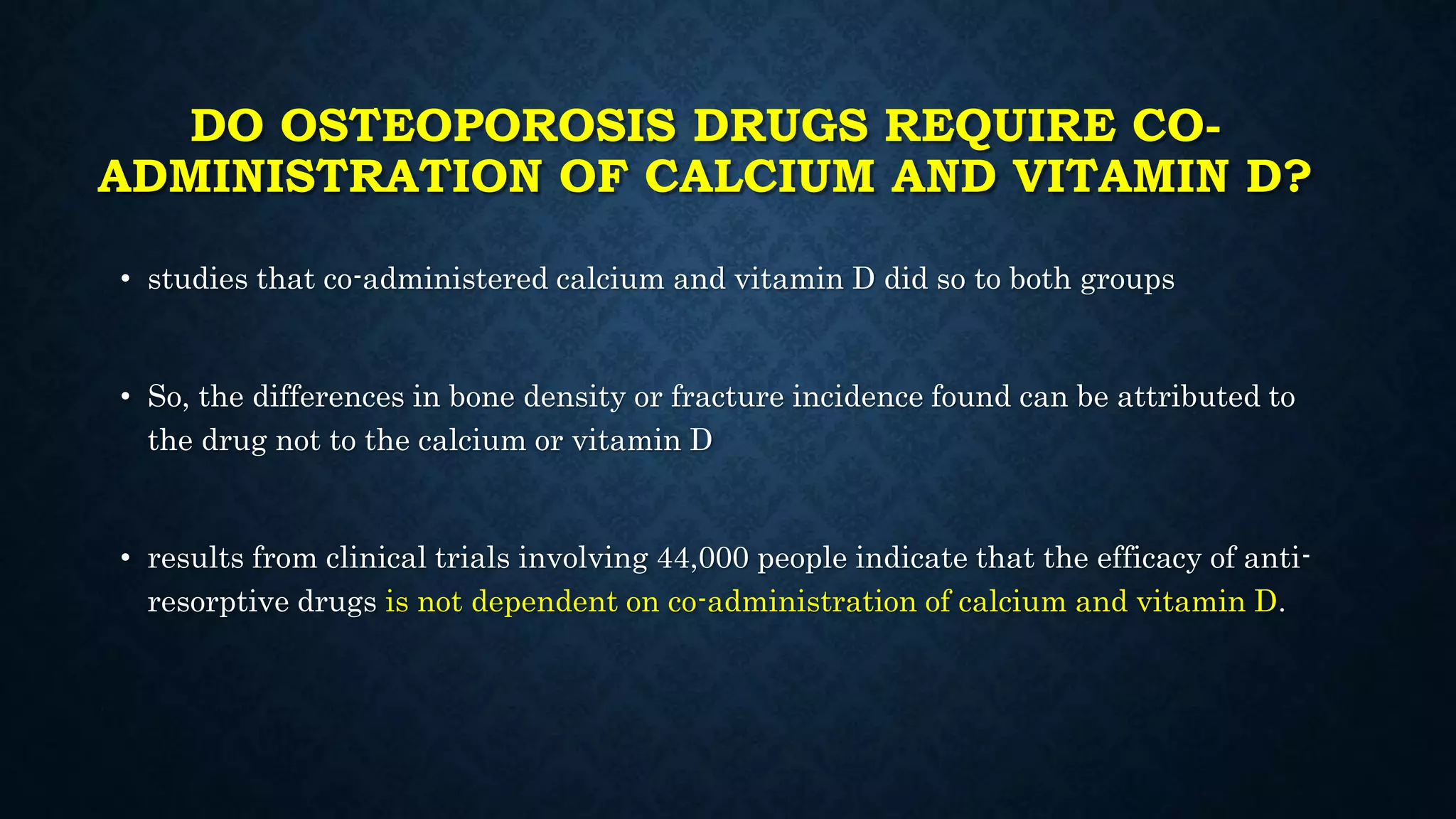
Osteoporosis isn’t a sudden event. It’s a slow decline in bone strength, often silent until fractures occur. Prevention requires long-term strategies that protect both bone formation and bone maintenance. Calcium supports the raw materials. Vitamin D ensures those materials can be absorbed and used effectively.
When both are present in sufficient amounts, your body can maintain a better equilibrium in the remodeling cycle. Bone mineral density tends to be preserved longer, and the quality of bone microarchitecture can be supported. That’s why the phrase “team” fits so well: these nutrients don’t merely coexist—they collaborate.
It’s also why supplementation conversations often pair them. If you increase calcium intake without checking vitamin D status, the body may struggle to absorb the extra calcium efficiently. Conversely, if vitamin D is adequate but calcium intake is consistently low, the body still lacks the building blocks needed for mineralization.
In short: calcium provides the bricks, vitamin D provides the transport and assembly instructions.
How the body uses calcium and vitamin D across the lifespan
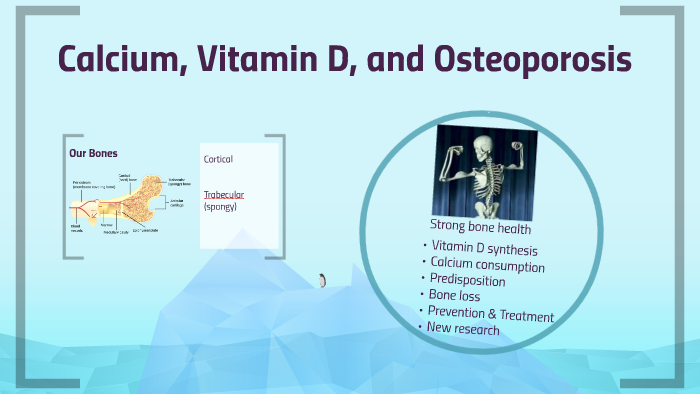
Bone health is not a single-stage story; it’s a lifelong narrative with chapters. During childhood and adolescence, bones are building “peak bone mass.” In early adulthood, that peak helps set the baseline for later years. After that, remodeling continues—slowly shifting toward resorption as aging progresses.
Osteoporosis prevention aims to protect two fronts: maximizing peak bone mass and slowing loss afterward. Adequate calcium and vitamin D support both. In older adults, maintaining these nutrients can reduce the odds of bone mineral density decline and support muscle function, which matters for fall prevention.
Falls are often the real dramatic turning point—because fractures follow trauma. If vitamin D helps maintain strength and balance (in addition to supporting bone), it can indirectly reduce fracture risk by lowering fall likelihood. Not all mechanisms are identical for everyone, but the overall theme holds: your musculoskeletal system performs best when nutrients align.
Food sources and practical pairing strategies
Pairing calcium and vitamin D doesn’t have to feel like a complicated protocol. It can be simple, habitual, and delicious. For example, you might choose fortified milk or yogurt: they can supply both nutrients in one meal. Alternatively, you can focus on calcium-rich foods at breakfast or dinner, then incorporate vitamin D sources elsewhere.
Vitamin D-rich foods include fatty fish (like salmon and sardines), egg yolks, and fortified foods such as some yogurts, cereals, and plant milks. Since vitamin D is fat-soluble, taking it with a meal that includes some dietary fat may support absorption.
Calcium-rich foods frequently appear naturally in daily meals: yogurt as a snack, cheese in a salad, tofu in stir-fries, or leafy greens as sides. If you’re aiming for consistency, think “calendar,” not “crisis.” Small, regular intakes usually outperform occasional large doses.
One more creative idea: combine calcium with vitamin D-friendly routines—like a morning light exposure window when possible, alongside calcium-forward breakfast. Your bones may not send thank-you notes, but they quietly benefit.

Potential obstacles: absorption blockers and real-life quirks
Even a dedicated routine can be undermined by absorption interference. Some individuals face gastrointestinal challenges, altered bile function, or conditions that affect nutrient handling. Others may take medications that indirectly influence vitamin D metabolism or calcium absorption. Lactose intolerance can reduce comfort with dairy, prompting calcium gaps if alternatives aren’t fortified or thoughtfully chosen.
Additionally, timing matters less than consistency, but certain patterns can influence absorption. High-fiber extremes, iron supplements taken too close to calcium, or heavy reliance on unfortified low-calcium diets can complicate the picture. Spacing supplements may help in some cases, but individual plans should remain personalized.
Here’s the playful challenge again, upgraded: if your diet is a puzzle, do you know where the missing pieces are? Consider evaluating vitamin D status with a clinician when risk factors exist, especially if fatigue, low sun exposure, bone pain, or prior low levels are present.
Supplements: when they help and how to approach them wisely
Supplements can be useful, particularly when food intake is insufficient or when blood tests suggest deficiency. Calcium supplements come in different forms, and dosing strategies vary. Some people benefit from smaller divided doses because absorption can be less efficient when taken in large single amounts.
Vitamin D supplementation is also commonly guided by lab values and risk factors. Because vitamin D is fat-soluble, too much over time can be problematic. That’s why “more” isn’t automatically “better.” A targeted approach tends to be safer than guesswork.
Also remember: osteoporosis prevention isn’t only nutrients. Exercise—especially weight-bearing and resistance training—stimulates bone formation signals. Protein intake supports the bone matrix framework. Adequate magnesium and vitamin K play supporting roles in bone biology. Lifestyle variables like smoking and excessive alcohol can further influence risk.
So think of supplements as a bridge, not the entire road.
Building a bone-protective routine: the practical checklist
For osteoporosis prevention, consider a routine that balances nutrition, movement, and monitoring. Start with calcium-rich meals across the week. Add vitamin D through sunlight exposure when feasible, fortified foods, and/or supplements when appropriate. Pair the nutrients intentionally—either within the same meal or as part of a consistent daily pattern.
Next, move your body. Bones respond to mechanical load. Resistance training, brisk walking, stair climbing, and balance exercises all contribute to stronger bone and fewer falls. Finally, if you’re at higher risk—postmenopausal status, older age, prior fracture, malabsorption conditions, or long-term medication use—ask about checking vitamin D levels and discussing a personalized intake plan.
Your skeleton may not be whimsical, but its maintenance can feel like a collaborative story. Calcium supplies the foundation; vitamin D ensures the foundation is actually usable. Together, they help keep the future steadier—one remodeling cycle at a time.
A closing thought: teamwork that compounds over time
Osteoporosis prevention is not about chasing perfection. It’s about protecting trajectory. Vitamin D and calcium work as a duet: one helps build and preserve mineral strength, while the other helps your body absorb what it needs to do the job. When the partnership is consistent, bones are more likely to remain dense, resilient, and prepared for whatever movement life demands next.
So—no more guessing. Treat this as a team effort you can practice daily. Your bones will remember.