Ever taken your vitamin D and thought, “Is this helping—or am I just swallowing hope at the wrong time?” Here’s a playful challenge: what if your body would rather receive vitamin D at lunch than at breakfast? It sounds almost too simple, but timing can influence absorption, consistency, and even how your day “feels” after you build a habit.
First, a quick reality check: what vitamin D actually does
Vitamin D isn’t merely a nutrient you “add.” It functions more like a hormone precursor—then behaves like an orchestrator for several systems. It supports calcium absorption, which matters for bone density. It also participates in neuromuscular function and immune regulation. In other words, vitamin D is less like a single spark and more like a dimmer switch that helps your body run efficiently.
Because of its role, people often treat vitamin D supplementation as a straightforward yes/no decision. But timing can change the “how.” Your body doesn’t only need vitamin D; it needs the right conditions to use it.
Why lunch might be the “sweet spot” for absorption
Vitamin D is fat-soluble. That means it prefers to travel with dietary fat—like a passenger who enjoys a smooth ride rather than a bumpy detour. Breakfast is often either rushed, low-fat, or—depending on the person—heavy on refined carbs with minimal fat. Lunch, however, is frequently more balanced: it may include olive oil, nuts, eggs, avocado, salmon, or other meal structures that provide natural fat companions.
When you take vitamin D alongside a meal that contains some fat, absorption can improve. Lunch tends to come with a steadier meal rhythm for many people. Your gastrointestinal tract is fully “awake” by midday, and your bile activity—important for fat digestion—may be more robust compared to the early morning stretch for some individuals.
Here’s the challenge hidden inside the question: if you take vitamin D at breakfast, are you taking it with a genuine meal… or with a snack pretending to be breakfast?
Breakfast habits: the sneaky culprit in timing
Many people eat breakfast on autopilot: cereal, toast, fruit, or a smoothie with minimal fat. Even smoothies can be misleading. You can have a beverage that looks nutrient-dense yet lacks sufficient fat for optimal fat-soluble vitamin uptake.
Some take vitamin D with coffee and hope for the best. That’s a common move, but it can be an awkward pairing if the rest of the day’s meal composition doesn’t provide enough dietary fat. Also, early mornings can bring “digestive variability.” Stress hormones and rushed schedules can affect motility, appetite, and how consistently people eat.
Lunch is often more deliberate. It creates a window for a consistent meal—one that is easier to pair with vitamin D instead of improvising around the morning chaos.
The bile-and-fat partnership: turning vitamin D into usable chemistry
Fat-soluble vitamins rely on micelles—tiny complexes formed in the digestive tract that ferry nutrients toward absorption. Dietary fat helps this process. When vitamin D meets a meal with fat, the conditions are more favorable for assimilation.
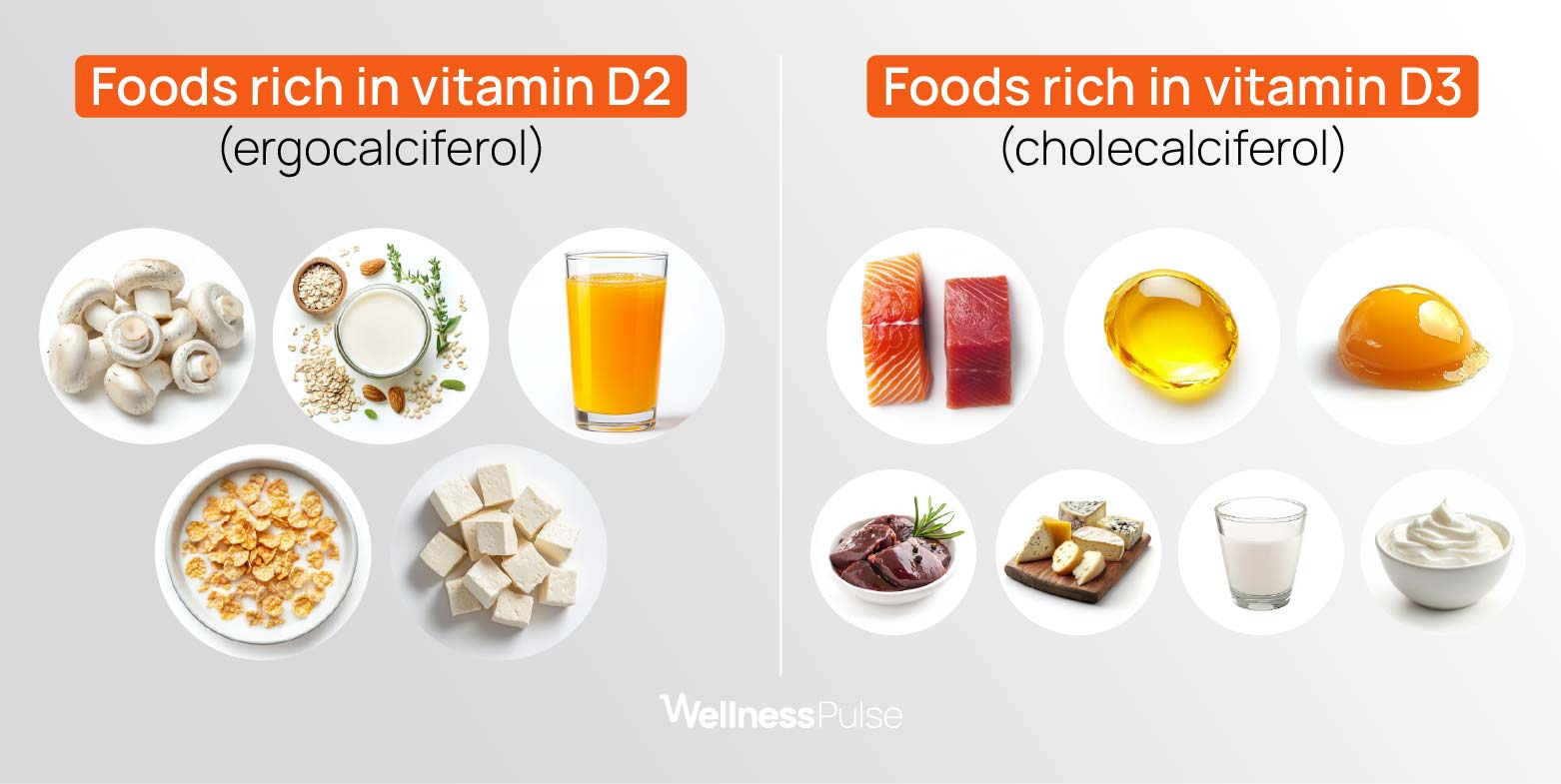
Lunch typically offers more reliable fat sources than breakfast does for many lifestyles. Think of meals like grilled salmon with olive oil, a chicken salad with avocado, or eggs with a little cheese. Even plant-based diets can provide healthy fats at lunch—like tahini, hemp seeds, or walnuts.
Now ask yourself this: if vitamin D is the passenger, is lunch the seatbelt system that helps it reach its destination safely?
Consistency beats perfection (but timing can help)
Here’s a paradox: sometimes the best “timing” is the one you can maintain. Vitamin D supplementation works through cumulative effect. If you take it daily, the most important feature is adherence—not whether it lands at 8:15 a.m. or 1:10 p.m.
However, lunch may offer an advantage for habit formation. People tend to have clearer routines around lunch than breakfast, especially when mornings include school schedules, commuting, or work pressure. If lunch is easier to anchor, you’re more likely to take vitamin D on time, with an appropriate meal.
Long story short: lunch can reduce friction, and reduced friction often leads to better outcomes. It’s not magic. It’s logistics—your body appreciates logistics.
What about people who take it on an empty stomach?
Some instructions recommend taking vitamin D with food, but many people still do the empty-stomach method because it feels “cleaner.” The issue isn’t that your body will be unable to absorb any vitamin D—it’s that absorption can be less efficient without dietary fat.
If you’re committed to the empty-stomach approach, you might consider whether your overall meal composition later in the day compensates. Still, for fat-soluble vitamins, pairing with a meal is generally the friendlier strategy. Lunch provides a practical compromise: it’s not too late, not too rushed, and it commonly includes fat.
Does lunch timing affect mood, energy, or cravings?
Let’s be honest: vitamin D isn’t an immediate energy drink. It won’t “kick in” within hours like caffeine. But over weeks and months, correcting deficiency may influence fatigue patterns, muscle function, and general wellbeing. You may notice subtle changes rather than a dramatic transformation.
That said, timing can influence perceived effects indirectly. If taking vitamin D at lunch pairs with a satisfying meal, you may feel more grounded and less snack-chasing later. Conversely, taking it at a skimpy breakfast might contribute to a day that feels more “on edge,” especially if lunch is delayed.
A playful provocation: if your breakfast is a minimalist performance, why not let lunch deliver a more supportive backstage?
Practical strategies: how to make lunch timing work
Try this: pick a consistent lunch meal structure that includes a modest amount of fat. You don’t need a feast. You need enough dietary fat to escort fat-soluble vitamin absorption.
Simple options include:
• Eggs or yogurt with nuts
• Salmon or sardines with olive oil
Chicken or tofu with avocado or tahini
• Beans plus a drizzle of olive oil or a side of seeds
Then, place the vitamin D at the same point in your routine—right after the first few bites, or with the main course. Your brain likes patterns. So does your digestion.
Important safety notes: dose, lab checks, and interactions
Vitamin D isn’t a candy. Too much can be harmful. The appropriate dose depends on your baseline level, health status, and clinician guidance. If you haven’t checked your 25(OH)D level recently, it’s worth considering a test, especially if fatigue, bone discomfort, or limited sun exposure are on your radar.
Also, certain medications may interact with vitamin D and calcium metabolism. If you take drugs for cholesterol absorption, seizures, or steroids, discuss timing and dosing with a professional. Safety turns the “maybe” into a plan.
The final decision: try a “lunch trial” and observe your routine
If you’re tempted to change your timing, do it with intention. Run a lunch-based trial for several weeks. Keep the dose consistent. Keep your meal pairing consistent. Pay attention to adherence: did you actually take it every day?
Then evaluate. Not just how you feel today—how your routine behaves. The body loves patterns, and the mind loves repeatable habits.
So, here’s the playful question again: are you taking vitamin D with a breakfast that supports absorption… or with a breakfast that’s more like a quick postcard than a full meal? If it’s the latter, lunch may be your most cooperative ally.