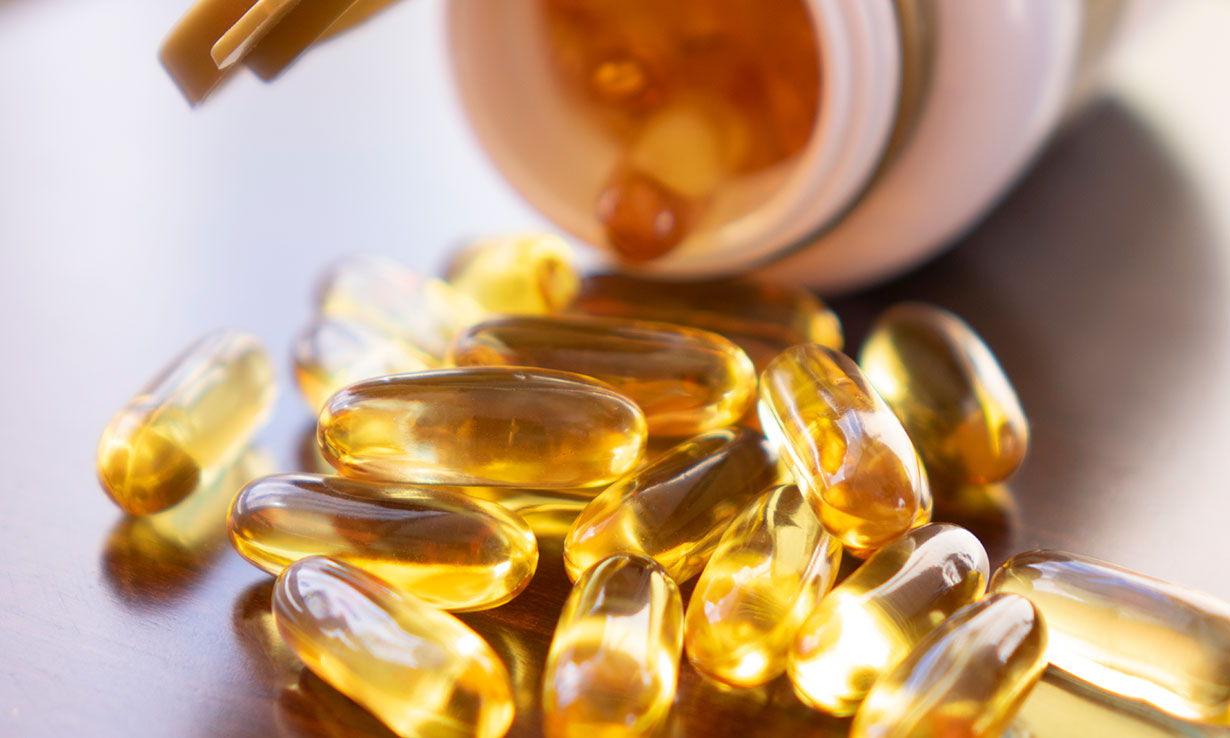
You might have noticed it the moment you read a label: some vitamin D supplements aren’t just dry little tablets or powders—they’re packaged in a matrix with fat. The ingredient list can feel oddly familiar, like a wink from nutrition biology. “Why is fat involved at all?” you wonder. It’s a fair question, and the answer is more nuanced than it first appears. Beyond convenience, fat plays a quiet, cellular role. It also explains why vitamin D has become a fascinating point of discussion among dietitians, researchers, and even supplement designers.
Fat isn’t an accessory—it’s a delivery system
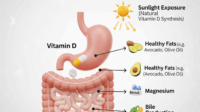
Vitamin D is a fat-soluble vitamin. That phrase sounds straightforward, but it carries a deeper implication: in the body, vitamin D behaves more like a hitchhiker riding lipid highways than like a neutral molecule floating freely in watery streams. When you consume vitamin D alongside dietary fat—or in a fat-containing supplement—it can be absorbed more efficiently through the digestive tract.
In practical terms, fat helps vitamin D dissolve. Without adequate dissolving capacity, absorption can become patchy. Think of it like trying to pour ink into water: the mismatch creates smudges instead of clean coverage. Fat, by contrast, creates a medium in which vitamin D can travel, merge with micelles, and enter circulation with less resistance.
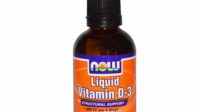
This is why you’ll often see vitamin D offered in oil-based forms, gel capsules, or softgels. The fat doesn’t “add” extra nutrition so much as it performs logistics. It escorts the nutrient to where it can be used.

Look for the form: D3 in oils tends to be the main character
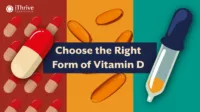
When people compare supplements, they frequently focus on the dosage—often the number of IU or mcg. But the form matters just as much. Vitamin D supplements commonly use either vitamin D3 (cholecalciferol) or vitamin D2 (ergocalciferol). D3 is widely used and frequently paired with lipid carriers because it integrates smoothly into fat-based delivery systems.
If a product is a softgel, the formulation often already includes the fat-like base required for absorption. If it’s a tablet, you might find fats hidden in “natural” excipients. Either way, the goal is the same: encourage consistent bioavailability.
Some labels also mention triglycerides, MCT oil, olive oil, or other lipid carriers. These aren’t random fillers. They’re chosen for their ability to dissolve and stabilize vitamin D and to support reliable uptake through the gut.
“Fat content” can mean different things—check the label carefully
A common observation is: “This supplement contains fat, so is it secretly unhealthy?” Usually, the amount is small, and the fat serves a functional purpose. A softgel may contain only a fraction of a gram of oil. That doesn’t usually turn your supplement into a dietary fat bomb. It means the vitamin is packaged in the environment it prefers.
Still, it’s worth reading with a discerning eye. Some products specify the exact carrier oil. Others list broader categories such as “vegetable oil.” Both can be fine, but the details can matter for people with dietary preferences, allergies, or sensitivities.
If you’re managing cholesterol concerns, fat metabolism conditions, or digestive limitations, the “how much” becomes important. Fat-soluble vitamins behave differently than water-soluble ones, and that can influence how closely you track intake over time.
Absorption isn’t only about digestion—it’s about transport in the bloodstream
Absorption is only the opening act. After vitamin D enters the body, it needs to hitch itself to transport proteins and circulate efficiently. Fat-based formulation can support a steadier rise in blood levels because it improves how thoroughly vitamin D is absorbed in the first place.
In digestion, vitamin D absorption depends on bile and micelle formation—processes closely linked to dietary fat. The body essentially treats fat as a signal that digestion is ready for lipid-like substances. When your supplement arrives already embedded in fat, it aligns with the body’s internal “delivery mechanism.”
So, the deeper reason you see fat in these supplements is not just about dissolving. It’s about synchronizing with the body’s choreography—ensuring the vitamin doesn’t arrive late or in a form that’s too stubborn to absorb.
Stability and shelf-life: fat helps vitamin D stay intact
Vitamin D isn’t merely a nutrient; it’s a chemical personality. It can degrade depending on light exposure, oxidation, and storage conditions. Many oils act as stabilizing environments, reducing the chance that vitamin D loses potency before it reaches your hands.
This is part of the fascination behind supplement design: formulation science. A capsule isn’t just a container. It’s a preservation strategy. Softgels, for example, can protect the vitamin from air and moisture. Some carriers also include antioxidants, which can further limit degradation.
When you notice oil-based vitamin D, you’re often seeing a dual function—absorption support and a protective cloak against breakdown.
Why “fat-free” vitamin D can be harder to make effective
It’s tempting to assume “fat-free” automatically means “better.” But fat-free doesn’t always mean better absorption. Because vitamin D is fat-soluble, completely removing fat requires alternative delivery strategies—such as emulsifiers, specialized technologies, or different compound forms designed to improve solubility.
These approaches can work. Yet they may come with trade-offs. Some emulsified forms still require a certain digestive context, and their effectiveness can vary from person to person depending on gut function, bile production, and concurrent diet.
In other words, fat-free vitamin D can be a clever workaround, but the question becomes: “Does this formulation actually support absorption for my physiology?” The presence of fat is often a straightforward solution to a complex biological barrier.
Who benefits most from fat-based vitamin D supplements?
Not everyone has the same absorption profile. People who eat lower-fat diets, have malabsorption conditions, or take certain medications that interfere with fat digestion may find that fat-based vitamin D supports more reliable absorption. That doesn’t mean fat is a universal key, but it can be a helpful lever.
Also consider consistency. Supplements taken with a meal containing some dietary fat often absorb more effectively than those taken on an empty stomach. Even if the supplement itself is fat-based, pairing it with food can further harmonize the digestive pathway.
For those who are very sensitive to dietary fats, a label review becomes essential. The carrier matters. The serving size matters. And timing matters too.
What to look for if you want the benefits (without the guesswork)
If you’re choosing a vitamin D supplement that contains fat, don’t stop at “it has oil.” Look for specific clues that the formulation is purposeful. First, confirm the vitamin type (commonly D3). Then check for a named oil carrier and verify the amount per serving. If you prefer certain dietary profiles, check whether the carrier aligns with your preferences.
Also scan for added ingredients that may affect tolerability—like high amounts of flavorings, sweeteners, or allergens. While these won’t usually replace the role of the carrier, they can influence whether the supplement fits your routine comfortably.
Finally, consider whether your lifestyle already provides enough vitamin D through sunlight exposure, fortified foods, or diet. Supplements are often most effective when they fill a gap, not when they accidentally double up.
The take-home idea: fat is the quiet scaffolding behind vitamin D
The fascination around fat-containing vitamin D supplements isn’t a mere trend. It’s grounded in how vitamin D dissolves, travels, stabilizes, and ultimately becomes usable. Fat isn’t random—it’s scaffolding. It makes the vitamin easier to absorb and can improve consistency across the journey from capsule to bloodstream.
So when you see fat in a vitamin D supplement, treat it as a clue. The formula is designed to meet vitamin D where it lives. And once you understand that logic, choosing a supplement feels less like decoding marketing and more like participating in a well-engineered exchange between chemistry and biology.