Some people seem to “need” more vitamin D than others—sometimes enough to make 5000 IU feel routine, even when the goal is only to maintain normal blood levels. It’s a curious observation, the kind that quietly sparks questions: Are they doing something special, or is something about their biology set to a different dial? The answer is rarely a single one-size-fits-all reason. Instead, vitamin D requirements tend to emerge from a braided combination of genetics, lifestyle, physiology, and environment—factors that can make the same goal (“normal levels”) translate into very different intake needs.
Normal Levels Are Not a Single Target for Everyone
“Normal” vitamin D is often treated like one fixed destination, but it’s better understood as a range that’s measured, interpreted, and sometimes even influenced by timing. Blood levels can fluctuate based on sun exposure, seasonal behavior, body mass, and even when the test was done relative to supplementation. One person may maintain a comfortable plateau on a lower dose because their baseline and release patterns are stable.
Another person may hover closer to the lower end of the reference interval. That same “normal” label can mask a narrower margin of safety. When levels drift downward, the body may behave like a cautious librarian: it pulls from storage, reallocates resources, and tries to keep essentials prioritized. Maintenance then becomes less about average intake and more about preventing a slow slide.
Body Size and Fat Storage Can Change the Math of Vitamin D
Vitamin D is fat-soluble, meaning it travels through and is stored in lipid-rich compartments. This is where a common observation turns into a deeper fascination: the body’s “vault” for vitamin D isn’t just how much you take in—it’s also how and where it’s stored.
Higher body fat can sequester vitamin D, effectively reducing its bioavailability. In practical terms, a portion of the supplement may end up tucked away rather than circulating in the bloodstream. Over time, that can necessitate a higher intake to reach and hold steady serum concentrations.
Skin Pigmentation and Sunlight Conversion Efficiency
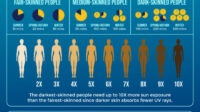
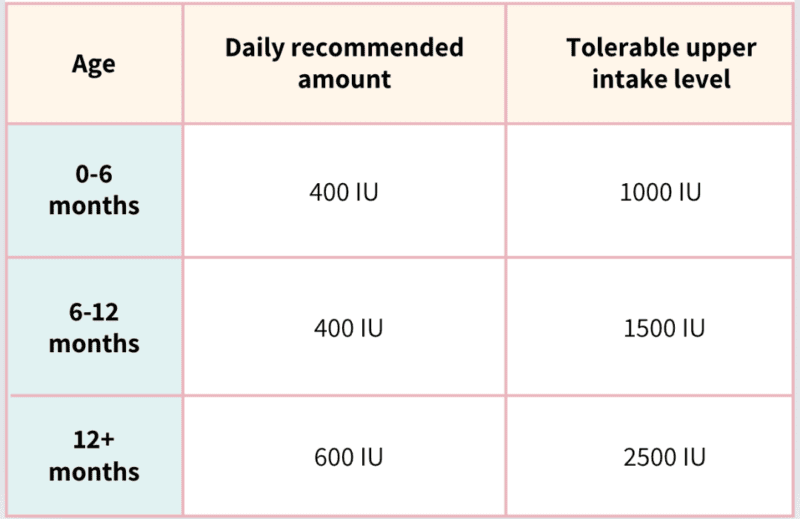
Vitamin D synthesis begins in the skin, triggered by UVB radiation. But skin isn’t uniform—melanin content affects how efficiently the conversion happens. People with higher melanin may produce less vitamin D from the same amount of sunlight, especially in regions where UVB is weaker for much of the year.
So when someone lives in a latitude with long winters—or simply avoids peak sun exposure—maintenance doses can rise significantly. The body is not failing; it’s adapting to the physics of light absorption and conversion. If the “sun pathway” is underpowered, the “diet/supplement pathway” often needs to work harder.
Geography, Seasons, and the Long Shadow of Winter
Even without changing habits, vitamin D levels can drift with the seasons. UVB intensity varies dramatically throughout the year. In winter months, many people experience a kind of biochemical dusk: reduced cutaneous synthesis means fewer reserves are replenished.
Some individuals compensate naturally when they travel or spend more time outdoors. Others remain indoors consistently, and their maintenance becomes essentially an act of artificial replenishment. In that setting, 5000–10000 IU may function like a steadying hand, preventing the long, slow demineralization of vitamin D stores.
Dietary Pattern and the Reality of Vitamin D Intake
Vitamin D in food is limited compared with nutrients that are abundant in daily meals. Fatty fish exists, fortified dairy or alternatives exist, and supplements exist—but many people’s diets rarely provide enough to maintain optimal ranges across seasons.
When dietary intake is sparse, supplementation doesn’t just “fill the gap”; it becomes the primary source of vitamin D. Some people then naturally require higher daily amounts simply because their baseline intake is inadequate to sustain stable blood levels.
Absorption Issues: When the Gut Doesn’t Cooperate
A dose can be high and still be inadequate if absorption is compromised. The intestines are the gatekeepers for nutrient uptake. Conditions affecting bile production, pancreatic function, or intestinal integrity can reduce vitamin D absorption.
For some people, 5000–10000 IU isn’t indulgence—it’s compensation. Malabsorption syndromes, inflammatory bowel conditions, celiac disease, and certain gastrointestinal surgeries can all alter how effectively vitamin D enters circulation. The body may receive the supplement, but it may not receive it efficiently.
Medication Interactions and Metabolic Differences
Vitamin D metabolism depends on specific enzymatic pathways and transport proteins. Certain medications can alter these pathways, shifting vitamin D levels even when intake seems adequate. For example, some anti-seizure medications can accelerate vitamin D breakdown, while other treatments may influence calcium and vitamin D handling indirectly.
Metabolic differences add another layer. The same IU amount may produce different serum results due to variations in binding proteins and receptor activity. In other words, intake isn’t the only variable—the “response profile” is individualized.
Genetics: The Hidden Key in Vitamin D Responsiveness
Some people are genetically tuned to require more vitamin D to achieve similar serum levels. Variants in genes related to the vitamin D receptor, vitamin D binding protein, and metabolic enzymes can all affect both distribution and biological response.
This is where fascination becomes almost inevitable: the body’s internal architecture can determine whether vitamin D behaves like a short-lived visitor or a reliable resident. Two people may supplement at different levels and still end up at different set points—not because one is “worse” but because their physiologic ecosystems differ.
Baseline Deficiency and the “Repletion Then Maintenance” Pattern
Many high maintenance doses begin as a consequence of correction. If someone starts with low levels, the initial phase often requires a more aggressive approach to rebuild stores. After normalization, maintenance might still remain higher than average—because the body has a new baseline from which it needs to sustain.
It’s tempting to interpret ongoing higher intake as permanent overreach. But sometimes it’s simply the continuation of a restoration strategy. The body’s vitamin D reserves may not rebound to the same stability as someone who began supplementation earlier or with higher baseline stores.
Obscure Lifestyle Variables: Indoor Time, Clothing, and Routine
Sun exposure is more nuanced than “do you go outside.” Clothing coverage, time of day, use of sunscreen, and even lifestyle habits like working night shifts can dramatically reduce effective UVB contact.
A person might live in a sunny area yet still maintain low synthesis because they rarely expose skin during peak UVB hours. Another might appear to “get sun” but always covers most of the body. Vitamin D maintenance then becomes a reflection of routine, not just geography.
Why Maintenance Doses Can Feel High Yet Still Be Necessary
Numbers like 5000–10000 IU can sound bold—especially to people whose needs are lower. But necessity isn’t based on the dose’s reputation; it’s based on how the body responds and where blood levels settle over time.
Some individuals do best with higher maintenance because their vitamin D is continually “spent” on storage replenishment, immune regulation, and maintaining calcium balance. Their systems may be busy with constant fine-tuning, so the supplementation feels like a steady engine rather than a sporadic boost.
Safety, Monitoring, and the Importance of Precision
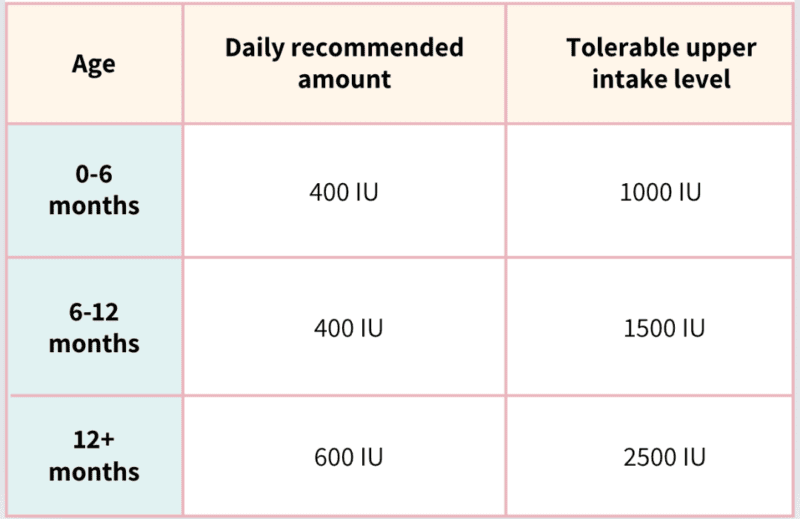
Higher dosing should be approached with measurement, not guesswork. Vitamin D status is best evaluated with blood tests, and dosing should be adjusted based on results and individual risk factors. The goal is not maximal vitamin D—it’s adequate vitamin D with a margin of safety.
Healthcare guidance matters because vitamin D interacts with calcium metabolism. Too much vitamin D can lead to complications through hypercalcemia, so the “right” dose is always contextual. For many people who truly need higher intake, monitoring provides reassurance that the dose is doing its quiet work—keeping levels steady without overshooting.

The Deeper Reason This Topic Hooks People
The fascination with high IU needs isn’t just curiosity about supplements. It’s curiosity about variability—about how the same nutrient can behave like a bespoke instrument in different bodies. Vitamin D sits at the crossroads of environment and inner chemistry: sunlight, skin, gut, liver pathways, and genetic architecture all converge into one measurable number.
When someone discovers they need 5000–10000 IU to maintain normal levels, it often feels like a revelation. Suddenly the vitamin D story becomes personal. What seemed like a universal guideline becomes a personalized map, revealing why their body required a different route to reach the same destination.
A Final Thought: Maintenance Is a Dialogue, Not a Guess
Vitamin D maintenance isn’t static. It evolves with seasons, health changes, dietary shifts, and updated lab results. For some people, higher doses aren’t excessive—they’re responsive, calculated, and aligned with how their bodies handle absorption and storage.
And perhaps that’s the quiet intrigue: the nutrient isn’t the mystery alone. The mystery is the body’s own logic—how it measures, conserves, converts, and compensates. With the right monitoring and understanding, even a surprisingly high maintenance dose can make perfect sense.