Somewhere between a wellness checklist and a prescription pad, a curious question keeps resurfacing: why would certain functional medicine clinicians suggest daily vitamin D in the 5,000 to 10,000 IU range? The number sounds bold—almost cinematic. Yet the story behind it is rarely about chasing a trend. It’s more often about reinterpreting what “normal” means, and what the body does when its signaling molecules have been underfed for far too long.
To understand the logic, it helps to shift perspective. Not toward hype, but toward physiology. Not toward averages, but toward individual biochemistry. And not toward a one-size-fits-all supplement culture, but toward a clinician’s attempt to translate laboratory signals into practical, patient-centered decisions.
A Different Lens: Moving From Reference Ranges to Biological Reality
Conventional dosing conversations often begin with a reference range. Functional medicine, however, tends to start with a hypothesis: that blood tests show only a snapshot, not the full narrative of cellular behavior. Vitamin D is a prime example. It isn’t merely a “vitamin” in the grocery-store sense. It acts like a hormone precursor, shaping immune tone, inflammatory signaling, and even neuromuscular function.
When some clinicians suggest 5,000–10,000 IU daily, they’re frequently aiming to correct a gap between measured status and what they consider biologically sufficient. That might mean pushing from the “low end of normal” to a steadier plateau closer to functional needs. In other words: the goal isn’t maximal dosing for spectacle. It’s recalibration for consistency.
Curiosity often grows when patients realize that “within range” can still mean “not ideal” for their particular system. That subtle distinction changes everything—and it’s the first step in the reasoning that can lead to higher daily IU recommendations.

The Underlying Plot: Vitamin D Deficiency Isn’t Always Obvious
Vitamin D deficiency can masquerade as many other issues. Fatigue. Mood shifts. Frequent infections. Muscle weakness or aches. Achy joints. Even subtle respiratory vulnerability. None of these are specific. They’re more like recurring motifs in a story that may have been ignored because the symptoms didn’t come with a label.
Clinicians who prescribe higher daily IU often do so because their patients’ lived experiences and lab profiles seem to converge on inadequate vitamin D activity. Sometimes levels hover low. Sometimes they improve slowly. Sometimes they fail to stabilize without a more deliberate intervention.
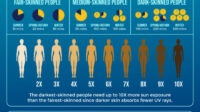
It’s also worth noting the modern environment. Indoor living compresses sun exposure. Sunscreen, while protective against harmful effects, reduces cutaneous vitamin D synthesis. Darker skin pigmentation can also lower production efficiency. Add limited dietary sources, and the stage is set for long-term insufficiency.
In that context, 5,000–10,000 IU daily can function like a practical “repletion strategy,” helping the body climb from scarcity toward a more workable baseline.
Repletion vs. Maintenance: Dosing Often Has an Arc, Not a Destination
Many people hear “10,000 IU” and imagine a permanent commitment. But some clinicians frame higher dosing as a phase. Think of it as a ramp rather than a forever staircase. An initial repletion period might be followed by maintenance at a lower dose once blood levels reflect improved status.
This is where perspective really matters. Dose isn’t only a number—it’s a temporal plan. The clinician may start higher to restore reserves, then taper based on follow-up testing and symptom change. The body doesn’t move instantly. Vitamin D metabolism has rhythms. Storage and conversion are multi-step processes.
A thoughtful protocol treats the treatment like a dynamic experiment: adjust, observe, re-test. Short sentences help the mind grasp the plan. “Replenish first.” Then “stabilize.” Then “maintain.”
The “Why” Behind the Range: Individual Variability and Metabolic Friction
Not everyone responds to the same dose in the same way. Some bodies convert vitamin D more efficiently. Others have increased clearance or altered conversion pathways. Body composition can also play a role—vitamin D is fat-soluble, so sequestration in adipose tissue may reduce bioavailability.
There’s also metabolic friction: inflammation, gut health, liver and kidney status, and certain medications can all influence vitamin D handling. Functional medicine clinicians often consider these variables when selecting a dosing target.
What looks like an aggressive recommendation can sometimes be a form of individualized arithmetic. If a patient’s response is sluggish, a clinician may increase the dose to achieve a consistent serum level. The higher IU becomes a tool, not a declaration of overconfidence.

Immune Tone and Inflammatory Signaling: The Nonlinear Effects
Vitamin D’s influence is not linear. It interacts with immune cells and modulates inflammatory signaling cascades. In functional medicine narratives, this is often where the “bigger why” emerges.
Patients who experience recurrent infections or ongoing inflammatory discomfort may be guided toward higher supplementation when labs and symptoms align. The aim is not to “boost immunity” in a simplistic way. It’s to support regulatory pathways—helping the immune system communicate with more precision.
This is where the curiosity gets real. Because when vitamin D is insufficient, the immune conversation may be noisier than necessary. Restoring adequacy can, in some cases, quiet the background inflammation and improve overall resilience.
Short, punchy lines often match the way clinicians explain it: “Stabilize the system.” “Support the regulators.” “Reduce the static.”
Synergy Matters: Vitamin K2, Magnesium, and the Art of Co-Supplementing
Some functional medicine doctors who recommend higher IU vitamin D also pay close attention to co-factors. Magnesium is frequently discussed because it participates in multiple enzymatic reactions, including those involved in vitamin D metabolism. Without magnesium, the conversation between vitamin D and the body’s biochemical machinery may be less fluent.
Vitamin K2 is another common partner in the discussion. Rather than acting as a co-star in a “more is better” drama, K2 is often framed as an accessory that helps direct calcium’s behavior in the body. That’s why some clinicians emphasize balance rather than isolation.
In this perspective, dosing is rarely solitary. It’s a coordinated strategy, where multiple nutrients interact like instruments in an orchestra. One instrument out of tune can throw the performance off.
Curiosity becomes practical here: patients often wonder whether combining supplements increases risk. The answer, in responsible functional medicine practice, is typically “only when guided appropriately.” Dose selection and follow-up testing are essential to avoid reckless stacking.

Safety, Monitoring, and the Discipline of Follow-Up
Higher dosing should never be treated as carefree. While vitamin D is widely used, excess can contribute to complications through calcium-related pathways. That’s why clinicians who prescribe 5,000–10,000 IU daily often pair it with monitoring.
Monitoring may include repeat testing of serum 25-hydroxyvitamin D, and sometimes markers related to calcium status depending on the individual. Symptoms and side effects—like unusual thirst, frequent urination, or gastrointestinal changes—can also guide clinical decisions.
The disciplined approach matters. Functional medicine isn’t just about prescribing. It’s about supervising physiology. It’s about recognizing that the body is a living system that can respond differently than expected.
In a patient-friendly frame: “Start intentionally.” “Measure.” “Adjust.” That rhythm turns a seemingly high number into a controlled protocol.
The Expectation Shift: From Instant Gratification to Cellular Recovery
Another reason people are surprised is that functional medicine often promises a different kind of timeline. People may hope for immediate changes—energy spikes, mood clarity, rapid immune improvements. The body, however, may require time to reorganize.
Vitamin D repletion can be gradual. Cellular signaling doesn’t flip like a switch. It recalibrates. That recalibration can still be meaningful. But it tends to unfold as patterns—less frequency of symptoms, improved stamina, steadier mood, fewer inflammatory flare-ups.
Some patients describe a subtle shift. Not fireworks. More like a steadier baseline, a reduction in background noise, a feeling that the body is “listening” again.
Why the 5,000–10,000 IU Range Exists at All
There’s a reason this particular range appears in conversations. Many people start with low or insufficient vitamin D status and limited sun exposure. To move the body meaningfully, a clinician may choose a dosing strategy capable of achieving a target within a reasonable window.
Yet the range isn’t a blanket endorsement. It’s a clinical possibility within a larger assessment: lab results, symptom profile, co-factor readiness, risk considerations, and follow-up planning.
Ultimately, the higher IU recommendation can be read as a declaration of one thing: respect for individual biochemistry. It signals that the clinician isn’t satisfied with generic answers. They’re hunting for the deeper match between what the body needs and what the dosing plan delivers.
When perspective changes, the number can stop feeling alarming and start feeling like a key—one part of a broader door into personalized care.