After menopause, bone remodeling often tips out of balance. Osteoclast activity may outpace osteoblast repair, and the resulting net bone loss can gradually erode bone mineral density. In this shifting landscape, vitamin D3 and vitamin K2 frequently appear together—almost like complementary gears. Vitamin D3 helps the body manage calcium availability, while vitamin K2 is commonly associated with directing calcium toward the right biological destinations. For postmenopausal women seeking a precision-minded approach to skeletal health, understanding how these nutrients work—and how they differ by formulation—is where the real clarity begins.
Why Bone Mineral Density Changes After Menopause
Bone mineral density (BMD) reflects the mineral content of bone, particularly the balance between mineral deposition and mineral resorption. Menopause is a hormonal milestone that can alter the microarchitecture of bone. Trabecular bone, found in the interior portions of bones such as the spine, may lose structural integrity faster than cortical bone. This matters because the spine and hips tend to be key fracture sites.
Beyond hormones, aging introduces additional variables: reduced sunlight exposure, slower intestinal absorption, changes in diet quality, and variations in body composition. Some women develop low circulating vitamin D status, which can weaken calcium absorption. Over time, calcium scarcity can impair mineralization. The body tries to compensate, but compensations can be imperfect—like reinforcing a building with the wrong materials.
Because of these layered influences, postmenopausal bone health rarely depends on a single lever. It usually responds better to a coordinated strategy: adequate intake, consistent dosing, and lifestyle scaffolding such as resistance training and sufficient protein.
Vitamin D3: The Calcium-Availability Conductor
Vitamin D3 (cholecalciferol) is often regarded as the upstream “signal” nutrient in calcium physiology. Once activated in the body, vitamin D influences the expression of intestinal transport proteins involved in calcium absorption. When vitamin D levels are suboptimal, calcium absorption can drop, and the skeleton may not receive the mineral supply it needs for robust remodeling.
There is also a subtle downstream effect. Vitamin D metabolites participate in maintaining normal neuromuscular function. That link is not merely academic. Better muscle performance can mean fewer falls, and fewer falls translate into fewer fractures. Bone health is not only about density; it is also about stability, coordination, and reaction time.
Many women in midlife experience inconsistent sun exposure, especially in regions with seasonal variability. Supplementation with D3 can serve as a pragmatic bridge between dietary intake, real-world routines, and biological requirements.
Vitamin K2: Directing Calcium Toward the Right Targets
Vitamin K2 is frequently associated with “calcium direction.” More precisely, it supports the function of proteins that help regulate where calcium is deposited. One of the most discussed mechanisms involves carboxylation of osteocalcin, a bone matrix protein that participates in mineralization. When osteocalcin is properly carboxylated, it is better positioned to bind calcium within the bone, supporting a mineral-ready extracellular matrix.
K2 also relates to vascular calcification regulation through proteins such as matrix Gla protein. While the full story is complex, the practical implication for many readers is straightforward: K2 may help maintain a more discerning mineralization pattern—bone rather than ectopic tissue.
In everyday terms, think of vitamin K2 as a molecular editor. Vitamin D3 can help obtain the raw mineral “ink,” while K2 helps ensure the ink is placed in the correct “pages.”
How D3 and K2 Work Together (and Why Timing Matters)
The pairing of vitamin D3 and vitamin K2 often rests on complementarity. D3 improves calcium absorption. K2 supports calcium utilization within bone by activating calcium-binding proteins. When both processes align, the system has a higher probability of achieving efficient mineralization.
Some supplementation routines suggest taking them together to simplify adherence and maintain a consistent nutrient milieu. Others separate dosing by time—especially when using higher-potency formulations. The most important variable is consistency: nutrient rhythms matter, but long-term adherence matters more.
Even so, certain considerations are worth noting. If someone begins aggressive vitamin D repletion without adequate K2 intake, the balance may skew. Conversely, K2 without sufficient vitamin D may leave the system calcium-starved. The synergy concept is not magic; it is physiology trying to operate within sensible constraints.
Forms of Vitamin K2: MK7 vs MK4 and Practical Differences
Vitamin K2 comes in multiple menaquinone forms, most notably MK7 and MK4. MK7 is well-known for its longer tissue presence, often making it suitable for once-daily routines in many product designs. MK4, by contrast, has a shorter duration of action and is often used in different dosing schedules. Readers do not need to memorize half-life charts to make informed choices; they only need to recognize that “vitamin K2” is not a single uniform substance.
MK7-based products are frequently positioned for sustained support, which can fit smoothly into a daily supplement habit. Meanwhile, MK4-based products may appear in formulations targeting more frequent replenishment strategies. Choosing between them can depend on personal preference, dosing tolerance, and healthcare guidance.
For vitamin D3, high-potency formulas often appear as 10,000 IU capsules or softgels. These are typically intended for structured supplementation plans rather than indefinite, unsupervised daily use. A woman’s baseline vitamin D status, dietary calcium, and lifestyle factors can influence what “right” means for her.
What Typical Dosing Plans Look Like for Postmenopausal Women
Supplement dosing should be individualized, but readers often benefit from understanding common patterns. Some women take maintenance doses of vitamin D3 regularly, while others use intermittent higher-potency dosing when deficiency is suspected or confirmed. Vitamin K2 dosing also varies widely by MK form and product strength.
Because vitamin D influences calcium handling, many clinicians prefer that vitamin D status be checked periodically. Blood tests can help determine whether supplementation is moving the needle toward sufficiency. If vitamin D levels are already adequate, excessively high dosing may offer diminishing returns. A measured approach is generally more sustainable.
For K2, adequate intake also depends on diet. Leafy greens, fermented foods, and certain animal products can contribute, but dietary patterns can vary substantially after menopause. Supplementing K2 can help close that gap, especially when vitamin D is being emphasized.
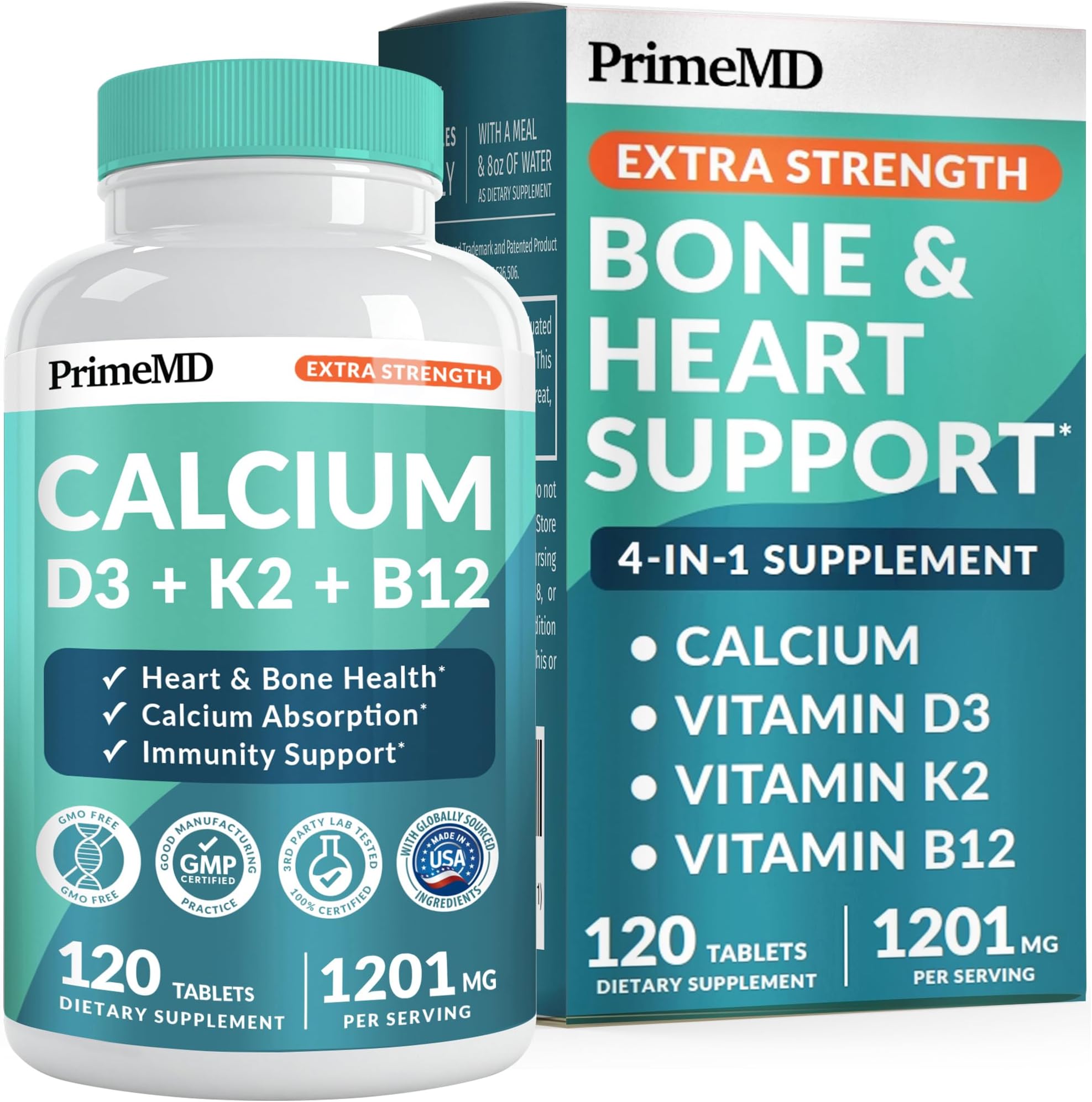
In practice, many product descriptions pair D3 and K2 in a fixed ratio—for example, formulations that include D3 at 10,000 IU with K2 at 200 mcg. Such combinations can simplify adherence: less math, fewer missed steps, and a clearer routine.
Evidence-Informed Expectations for Bone Outcomes
When readers ask, “Will it increase bone mineral density?” the answer is nuanced. Bone changes occur slowly. BMD improvements, when they occur, may be modest and typically require months of consistent support combined with lifestyle behaviors. Some studies suggest that vitamin K2 and vitamin D3 together can influence markers related to bone turnover and may contribute to better skeletal outcomes in certain populations.
It is helpful to distinguish between surrogate endpoints and clinical endpoints. Markers such as osteocalcin, undercarboxylated forms, and bone turnover indices can shift earlier than measurable changes in DEXA scans. Meanwhile, reduced fracture risk is the outcome most people truly care about, but it typically requires larger, longer studies to confirm.
Therefore, setting expectations matters. A woman may not “feel” stronger bones in a week or a month. Yet her skeleton may still be responding—quietly, structurally, and biochemically.
Choosing a Quality Supplement: What Readers Should Look For
Not every label is equally informative. Readers should look for clear ingredient labeling, the exact K2 form (MK7 or MK4), and the stated D3 potency. Ideally, products provide transparent dosing per serving and a reasonable manufacturing quality standard.
Packaging can also affect experience. Softgels, tablets, or gummies vary in absorption behavior and tolerance. Some women prefer easy-to-swallow softgels. Others prefer tablets with stable dosing. Consistency with the format helps adherence, and adherence helps results.
It is also wise to check for potential allergens or additives that might matter personally. While excipients are not the headline, sensitivity is real. A well-chosen supplement feels “invisible”—until the benefits arrive.

Safety Considerations: Interactions, Contraindications, and Caution Zones
Safety is not optional. Vitamin D3 is generally well tolerated at appropriate doses, but excessive dosing can increase calcium levels and create unwanted effects. Vitamin K2 can be highly relevant for people taking anticoagulant medications such as warfarin. In those cases, K2 may interfere with medication efficacy because vitamin K is part of the clotting pathway.
Anyone on anticoagulants should consult a clinician before adding or changing K2 or higher-dose vitamin D. Also, women with kidney disease, certain calcium disorders, or a history of hypercalcemia may require tailored advice.
Even outside medication interactions, the “more” principle does not always apply. Bone responds to structured inputs, not just high potency. A balanced plan is typically safer and more effective.
Supporting Bone Health Beyond Supplements
Supplements are a scaffold, not the whole building. Resistance training is a cornerstone for maintaining BMD. Weight-bearing activities and balance-focused exercises can reduce fall risk. The mechanics of muscle pull on bone can influence remodeling, and the nervous system’s coordination can protect against sudden missteps.
Protein intake matters too. Bones are living tissue with collagen and mineral components; protein supports the organic matrix. Calcium intake from diet remains important, and vitamin D can help ensure dietary calcium is absorbed effectively.
Finally, lifestyle variables such as smoking avoidance and moderate alcohol intake contribute to skeletal resilience. These factors may sound like background noise, but over years they become structural forces.
What a Practical Routine Can Look Like
A simple routine can improve adherence: taking D3 + K2 at the same time daily, pairing it with a meal that contains fat (to support fat-soluble absorption), and tracking outcomes through periodic lab work and follow-up assessments when appropriate. Some women prefer morning consistency; others prefer evening. Choose what fits life, because the skeleton rewards reliability.
Over time, the best “proof” may include a mix of data: improved vitamin D status, stable or improved BMD, and a reduction in falls or musculoskeletal vulnerability. Bone is slow to change, but it does respond.
Ultimately, vitamin D3 + K2 for postmenopausal bone mineral density is best approached as a thoughtful, long-term strategy—one that respects biology’s timing, prioritizes safety, and integrates movement and nutrition into a cohesive plan.

When the body receives calcium availability signals (vitamin D3) and mineralization guidance (vitamin K2), the process of bone remodeling can become more aligned. For many postmenopausal women, that alignment is where hope meets mechanism—and where bone health can be pursued with both patience and intention.