Have you ever wondered why your bones can feel sturdy one day and strangely fragile the next—like a house made of quiet scaffolding? Vitamin D and calcium work as the construction crew, while exercise becomes the architect, the foreman, and the safety inspector all at once. But what happens when one piece falters? That’s where the “osteoporosis triple threat” appears: insufficient vitamin D, inadequate calcium intake, and low-impact—or misdirected—activity. This is not a dramatic ghost story; it’s a biological plot twist that can be prevented with smart, deliberate choices.
The Osteoporosis Triple Threat: A Three-Part Equation
Osteoporosis doesn’t usually arrive with trumpets. Instead, it accumulates over time through subtle reductions in bone mass and structural integrity. Think of bone like a living material—an organism in its own right—constantly remodeling. Vitamin D helps your body absorb calcium. Calcium provides the raw material for bone mineralization. Exercise provides mechanical loading that tells bone to strengthen. Remove or weaken any one of the three, and the remodeling balance can tip toward bone loss.
Here’s the playful question: if you could fix only one of these three, which would you choose—vitamin D, calcium, or movement? Now for the challenge: choose all three, but do it in a way that’s consistent rather than intense. A few well-placed habits beat a short sprint every time.
Vitamin D: The Sunlight Signal Your Skeleton Waits For
Vitamin D acts like a backstage stage manager. It doesn’t just “support” bones—it orchestrates calcium absorption in the gut and helps regulate the mineral balance that bone requires. When vitamin D levels are low, calcium absorption can drop, and the body may compensate by pulling calcium from bone—like raiding the pantry when the grocery delivery is late.
Many people associate vitamin D with summer sunshine, but real life isn’t always cooperative. Winter months, indoor routines, sunscreen habits, higher latitudes, darker skin pigmentation, and certain medications can all reduce vitamin D synthesis. Age matters too: the skin’s ability to produce vitamin D may decline over time.
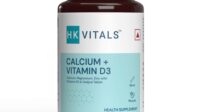
Potential strategy: ask a clinician about testing vitamin D (often measured as 25-hydroxyvitamin D). Then tailor supplementation and lifestyle to results. Not all “more” is better—too much can be harmful—so balance is essential.
Calcium: The Building Material, Not Just a Supplement
Calcium is the mineral scaffolding within bone—responsible for hardness and resilience. But calcium isn’t merely about swallowing tablets. It’s about total daily intake from both food and supplements, distributed sensibly across the day. Many individuals consume calcium unevenly: cereal in the morning, then little afterward. The result can be a “calcium drift,” where intake fails to meet the body’s consistent demands.
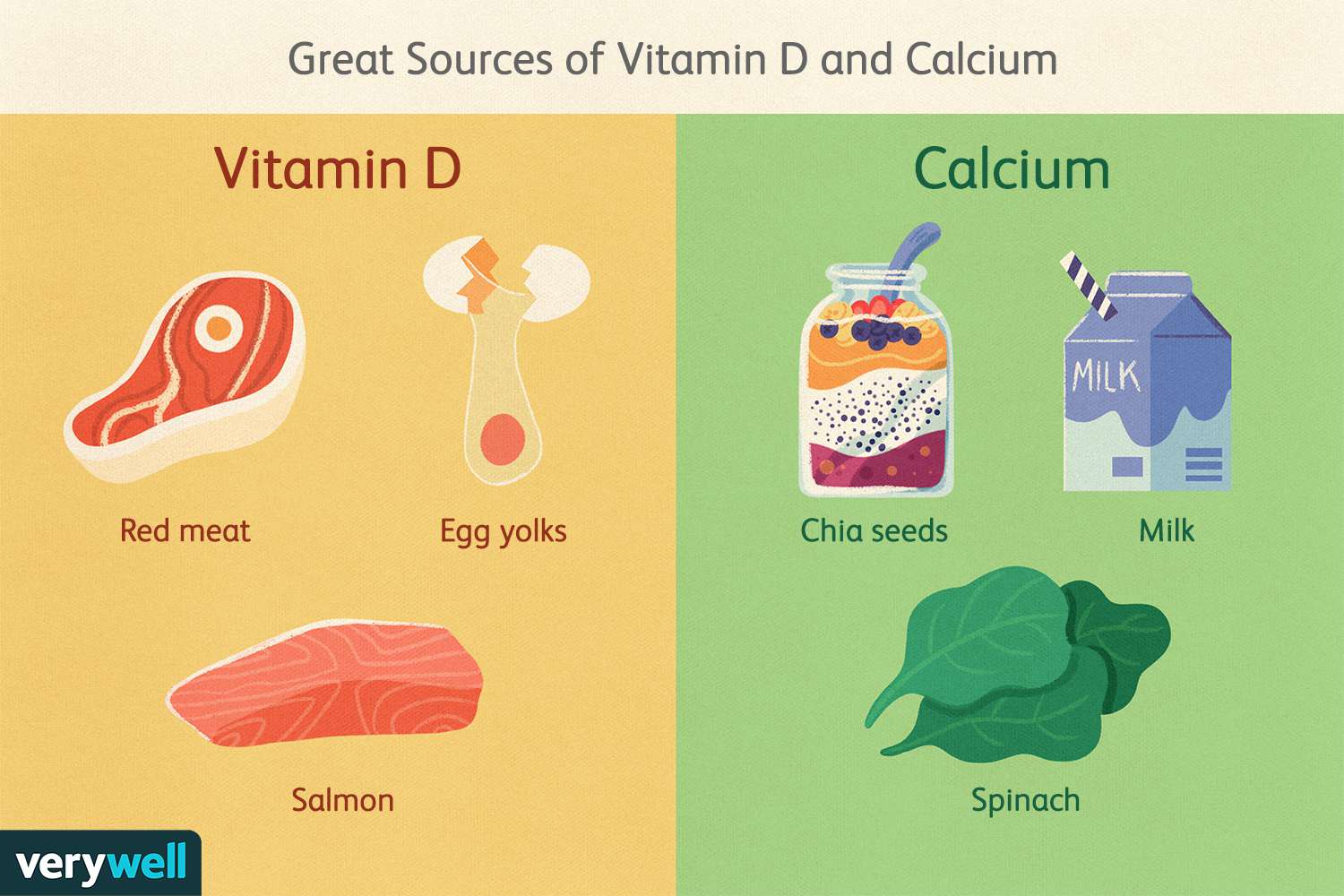
Dairy foods can help, but they aren’t the only option. Fortified plant milks, yogurt alternatives, calcium-set tofu, leafy greens (with caveats), and certain fortified juices can contribute. The body also absorbs calcium more effectively when doses aren’t overly large at once, so smaller servings often work better than a single mega-dose.
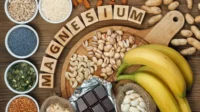
Important nuance: calcium needs to work alongside vitamin D, magnesium, and overall nutrition. Bones are not a one-ingredient recipe; they’re a multi-factor masterpiece.

Exercise: Mechanical Loading Turns Bone Into a Stronger Version of Itself
Exercise is the “pressure” bone needs. Bone responds to load by adapting—this is mechanotransduction, a fancy term for a simple principle: use it, and it strengthens. Weight-bearing and resistance training stimulate bone formation pathways, improve balance, and reduce fall risk. For people at risk of osteoporosis, exercise is not cosmetic—it’s protective engineering.
Walking is a great start, but bone often craves more variety. Resistance training using machines, bands, dumbbells, or bodyweight can create targeted stress on hip and spine areas. High-impact movements may help some people, but others—especially those with existing fractures or severe osteoporosis—require careful progression and clinician guidance.
Even gentle strength work can be transformative when done consistently. The challenge here is playful, but also practical: can you commit to a “minimum viable dose” of exercise—something repeatable—rather than waiting for motivation to arrive?

Best-Fit Poses: How Movement Supports Calcium and Vitamin D
Think of poses as “bone negotiations.” The goal is to encourage muscle activation, posture refinement, and controlled loading. While stretching improves flexibility, strengthening is the main messenger for bone. Still, stretching has its role: tight hip flexors and poor thoracic mobility can alter gait mechanics, which indirectly influences balance and fall risk.
Examples of bone-supportive categories include:
1) Weight-bearing cardio: brisk walking, stair stepping, dancing, or low-to-moderate impact routines when appropriate.
2) Resistance training: squats to a chair, step-ups, hip hinges with light weights, rows, and overhead work with proper form.
3) Balance training: single-leg stands with support, heel-to-toe walking, and controlled ankle work.
4) Posture and spine awareness: exercises that enhance core stability and reduce excessive spinal flexion or twisting under load.
Choose movements that feel stable and precise—not frantic. Bone responds best to disciplined stress.
How to Build a Safe Routine: Progression Without Panic
Progression is the difference between a program and a trap. For osteoporosis prevention or management, the best routines balance frequency, intensity, and technical accuracy. A common evidence-informed approach is to combine resistance training two to three times per week with daily weight-bearing activity.
If you’re new, start with lower intensity and longer breaks. If you already train, consider refining your technique and increasing load gradually. Your body is a data-logger; it tells you what’s appropriate through recovery quality, joint comfort, and steadiness.
Warning signs matter. Sharp pain, new swelling, or persistent discomfort should trigger adjustment and professional assessment. For people with fractures, certain movements may need modification to avoid harmful loading patterns.
Nutrition Synergy: Pairing Calcium, Vitamin D, and Exercise Like a Team
Exercise creates a demand. Nutrition supplies the materials. Vitamin D ensures the materials can be absorbed. Calcium supplies the minerals. When these align, the body can remodel efficiently. When they don’t, even excellent training may feel like pushing a cart with missing wheels.
Try pairing habits rather than treating them separately. For example: plan a calcium-containing meal earlier in the day, take vitamin D as directed (sometimes with food if it improves tolerance), and schedule workouts at consistent times. Long sentences or short ones—habits stick best when they are simple enough to repeat.
Also consider protein adequacy and overall energy intake. Muscles pull on bone; strong muscles help stabilize joints and reduce falls. A holistic diet supports that system.
Fall Risk: The Hidden Multiplier Behind Fractures
Osteoporosis is often feared because of fractures, but fractures frequently begin with falls. That’s why balance, vision, footwear, and home safety count. Strengthening hips and core muscles improves postural control. Training proprioception—your body’s “where am I?” awareness—reduces wobbling.
In other words, exercise doesn’t just help bones; it helps you stay upright long enough for those bones to do their job.
When to Seek Guidance: Listening to Your Bone’s Feedback
If osteoporosis is diagnosed, or if there are risk factors such as prior fractures, prolonged steroid use, significant weight loss, or a strong family history, personalized planning becomes crucial. A clinician can evaluate labs (including vitamin D and calcium status), review medications, and advise on safe exercise parameters.
The goal isn’t fear. It’s precision. Your routine can be powerful and gentle at the same time—like a careful craftsman strengthening an aging bridge.
A Practical Challenge: The “Three Small Wins” Plan
Here’s the challenge, designed to be playable rather than overwhelming:
Win 1: For one week, increase sunlight exposure safely or discuss vitamin D testing and supplementation.
Win 2: Add one calcium-rich serving daily—preferably spread across the day.
Win 3: Complete two resistance sessions plus daily weight-bearing movement.
Do it for four weeks. Track your consistency, not perfection. If you can complete the plan, you’ve started disarming the osteoporosis triple threat—one habit at a time.