What if one tiny nutrient—quietly synthesized and gently regulated—could help sculpt the architecture of a baby’s brain long before the first breath? Pregnancy is already a symphony of biochemical negotiations, but vitamin D often plays an underappreciated instrument. Not loud, not flashy, yet surprisingly influential. And here’s the playful twist: imagine the developing brain as a library being stocked page by page. Vitamin D may not write every word, but it can influence how easily those pages are produced, repaired, and organized.
Why Vitamin D Matters During Pregnancy
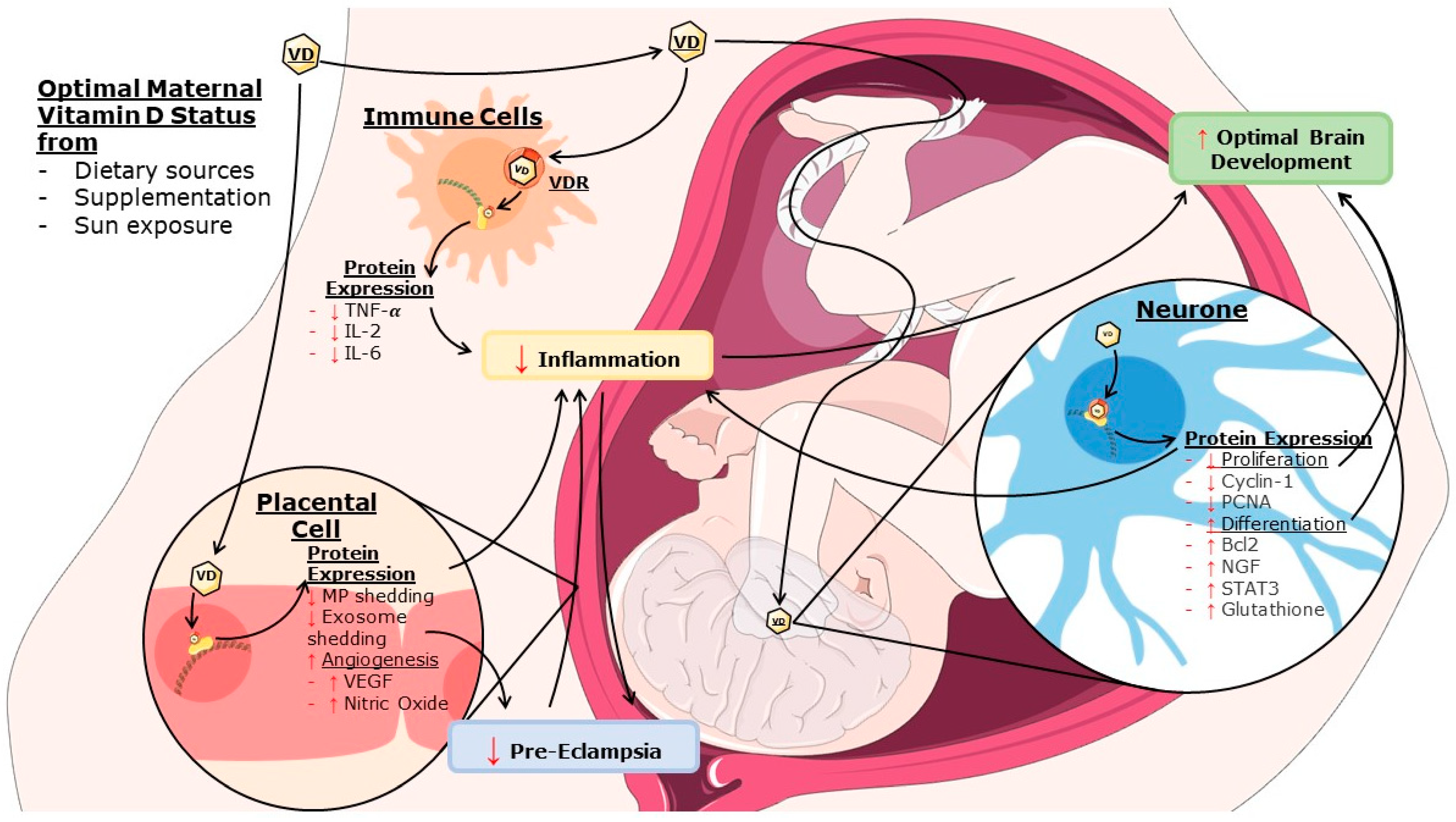
Vitamin D is best known for bone health, yet the story expands dramatically during pregnancy. The placenta is not merely a conduit for nutrients; it is an active regulatory hub. Vitamin D participates in this regulation, shaping signaling pathways that affect cellular growth, immune modulation, and neurodevelopmental trajectories.
During gestation, the brain forms through tightly timed events—cell proliferation, migration, synaptogenesis, and pruning. Each stage requires biochemical “instructions.” Vitamin D’s hormonal form, calcitriol, interacts with vitamin D receptors present in many tissues, including regions related to brain development. When vitamin D signaling is optimized, the developmental “blueprint” may proceed more smoothly. When it’s suboptimal, the process may become less coordinated.
A Potential Challenge: “Can You Get Enough Without Realizing?”
Here’s the challenge—short and mischievous. Many expectant parents assume vitamin D will arrive naturally through sunlight. But lifestyle constraints, latitude, skin pigmentation, seasonal changes, and even sunscreen habits can all limit cutaneous production. Add pregnancy-related changes in indoor time or reduced sun exposure, and vitamin D insufficiency can emerge quietly.
And insufficiency isn’t always dramatic. Symptoms can be subtle or absent. So the risk is not only about whether vitamin D exists in the body, but whether levels land within a physiologically helpful range. In other words: a “barely there” status may still be biologically consequential for a fetus building an organ that never stops developing.
Vitamin D and Neuroinflammation: The Off-Switch for Brain Stress
Brains are not static. They constantly rebalance excitatory and inhibitory processes while monitoring environmental pressures. Vitamin D appears to support immune regulation, and immune behavior matters because neuroinflammation can alter developmental outcomes. Think of it as maintaining a calm newsroom during an important deadline: too much agitation disrupts layout, editing, and coordination.
Research discussions often highlight vitamin D’s potential anti-inflammatory effects. It may help modulate cytokine signaling and influence microglial activity—cells that function like the brain’s resident inspectors. During development, these inspectors must be neither inattentive nor overly alarmed. Vitamin D’s role may contribute to that delicate equilibrium, supporting a less inflammatory environment that favors proper neural maturation.
Brain Development Pathways: From Genes to Synapses
Vitamin D is not just a background nutrient. It can function as a gene-regulatory signal. By binding to receptors, it can influence transcriptional activity related to neuronal differentiation and brain plasticity. This is one reason vitamin D is discussed in relation to synapse formation and long-term cognitive function.
During pregnancy, the fetus depends on maternal vitamin D status and placental transfer mechanisms. The placenta can alter local vitamin D availability, meaning maternal levels may translate into fetal exposure through biochemical “filtering.” When vitamin D availability is constrained, developmental timing might be less optimal—not necessarily catastrophic, but possibly less synchronized.
Maternal Vitamin D Levels: What Research Patterns Suggest
One consistent theme in pregnancy research is that maternal vitamin D status correlates with several outcomes. Some findings suggest that low maternal vitamin D levels may be associated with differences in neurodevelopment-related measures. Importantly, research often interprets these relationships as signals—possible contributors rather than single-cause explanations.
Pregnancy is a complex system. Vitamin D status can be entangled with nutrition quality, overall health behaviors, sun exposure patterns, socioeconomic factors, and baseline inflammatory state. That means the association doesn’t always prove causation. Yet it raises a practical question: if modifiable, should clinicians and families treat vitamin D adequacy as a proactive support for fetal brain development?
Possible Influences on Offspring Outcomes
When vitamin D is discussed in relation to offspring neurodevelopment, researchers frequently consider cognitive and behavioral domains, plus brain structural changes observed in some studies. The underlying rationale is biologically coherent: a nutrient that can influence immune tone, neuronal growth signaling, and gene expression could plausibly affect developmental outcomes.
Another angle is indirect influence. Vitamin D may support maternal health, and maternal health influences fetal oxygenation, metabolic stability, and endocrine signaling. A calmer inflammatory milieu and more stable metabolic environment can create better “construction conditions” for the fetal brain. So vitamin D’s role may involve both direct molecular actions and indirect systemic effects.
How Vitamin D Is Evaluated During Pregnancy
Because vitamin D can’t be reliably guessed from appearance or symptoms alone, assessment often involves blood measurements, commonly serum 25-hydroxyvitamin D. Clinicians may interpret results in the context of total pregnancy risk factors and individual health profiles.
Interpretation is not one-size-fits-all. Some people may require higher supplementation based on baseline status, limited sun exposure, or dietary intake. Others may need maintenance rather than “catch-up.” The goal is not to chase extreme levels. The goal is to land in a range that supports normal physiology and potentially favorable developmental signaling.
Supplementation and Safety Considerations
Supplementation is where hope becomes actionable—but it should be approached thoughtfully. Vitamin D is fat-soluble, meaning excess can accumulate. That’s why a plan guided by a clinician matters, especially when higher-dose strategies are considered.
Many prenatal vitamins include vitamin D, but the dose may not be sufficient for everyone. Some individuals have documented deficiency and require tailored supplementation. Others may have marginal levels and benefit from modest adjustments. Safety involves respecting dosing ceilings, monitoring when indicated, and ensuring calcium balance is considered when relevant.
The best strategy is neither frantic nor negligent. It’s calibrated: assess, supplement appropriately, and recheck if higher doses are used or if baseline levels were low.
Lifestyle Supports: Sunlight, Diet, and Practical Habits
Vitamin D is not purely supplement territory. Sunlight exposure can stimulate vitamin D production, but pregnancy-friendly approaches are necessary. Short, consistent exposure may help some people, while others may rely primarily on diet and supplementation due to limited ability to spend time outdoors.
Dietary sources can contribute—fatty fish, fortified dairy or plant alternatives, and fortified foods. Yet diet alone often struggles to achieve robust levels without fortification or supplementation, especially in winter seasons or regions with reduced sunlight.
In the end, the goal is a balanced routine: sensible sun practices, nutrient-dense eating, and clinically guided supplementation when needed.
When to Speak With a Clinician
If you’re pregnant—or planning pregnancy—and you have risk factors for low vitamin D (minimal sun exposure, darker skin pigmentation, malabsorption conditions, obesity, or dietary limitations), it’s reasonable to discuss vitamin D testing and an individualized plan. Concern doesn’t mean panic. It means preparation.
Ask about screening, interpret your lab values, and clarify supplementation targets. Also inquire about whether calcium intake is adequate, whether follow-up testing is warranted, and how your regimen fits into prenatal care.
Looking Ahead: Research, Precision, and Hope
The research landscape continues to refine how vitamin D interacts with pregnancy biology and offspring neurodevelopment. Future studies aim for stronger causal inference, better adjustment for confounders, and more precise measurement of timing—whether early pregnancy status differs from late-pregnancy status in terms of brain-related outcomes.
Still, the narrative emerging from multiple lines of evidence is compelling enough to guide practical action: vitamin D adequacy is a modifiable factor with plausible biological pathways linked to brain development. And that brings us back to the playful question.
If you could gently improve the “construction conditions” of a baby’s developing brain, would you want to know how? Vitamin D may not be the only answer—but it could be an important one, especially when approached with care, monitoring, and clinical wisdom.