There’s a curious pattern many men recognize: when motivation dips, confidence follows. Sleep feels heavier. The body seems less willing to cooperate. And in the background of that gradual slide, a simple suspect keeps reappearing—vitamin D. It’s often framed as “bone support,” yet the conversation about vitamin D and testosterone has a more human, more immediate appeal. Not just strength, but mood. Not just chemistry, but how you feel inside your own skin.
That’s why the fascination persists. Testosterone gets headlines, while vitamin D is frequently treated like an afterthought. But the connection isn’t superficial. It lives in the borderland between biology and behavior, where hormones influence drive and where low-level deficiencies can quietly dampen a man’s emotional temperature.
Why Men Notice the Mood Connection First
A common observation comes from lived experience: a man doesn’t always “feel” testosterone in the laboratory sense. He feels it in everyday language—irritability, sluggishness, and a dwindling sense of purpose. When testosterone is low or its natural rhythm is disrupted, mood often becomes the first domino to fall. He may notice fewer sparks of excitement, reduced spontaneity, or a quieter resilience to stress.
Vitamin D enters this story because it’s not limited to skeletal roles. It participates in immune regulation, neural signaling, and cellular communication. Those pathways can shape mood long before muscle mass or libido become obvious targets. In other words, vitamin D may act like a background conductor—subtle, continuous, and powerful when absent.
Consider how quickly mood can shift after changes in sunlight exposure, diet, or sleep patterns. Men living in regions with long winters often report a double hit: less daylight and a less animated interior world. The deeper reason is that vitamin D synthesis is largely sunlight-driven. When sunlight wanes, the body’s supply can stall—sometimes without dramatic symptoms at first. The mood signal may be the first message to surface.
The Biology Bridge: From Vitamin D to Testosterone Pathways
Testosterone production is orchestrated in part through endocrine feedback loops and cellular environment. Vitamin D appears to influence those processes indirectly—supporting tissues involved in hormone regulation and modulating inflammation that can interfere with normal function.
One fascination point is that vitamin D acts through receptors found in various body tissues, including reproductive-related systems. When vitamin D signaling is optimized, the body may be better equipped to maintain healthy steroidogenesis—the biochemical building of testosterone. When vitamin D is insufficient, the system can operate with a kind of low-grade friction.
There’s also the matter of metabolic context. Vitamin D status can correlate with body composition and insulin sensitivity. And those factors can influence testosterone availability and conversion. The result isn’t always a straight line, but the pattern can be consistent enough to invite curiosity: men with healthier vitamin D levels often report better overall vitality, and that vitality frequently overlaps with testosterone health.

Mood, Motivation, and the Nervous System’s Quiet Role
Testosterone isn’t only a reproductive hormone. It also contributes to mood stability, motivation, and cognitive vigor. But how does vitamin D show up here? The answer lies in neural circuitry and neurotransmitter regulation. Vitamin D participates in gene expression within the brain, affecting pathways related to mood and stress resilience.
Short-term feelings can be deceiving. A man may attribute mood changes to “work stress,” “aging,” or “just being tired.” Yet vitamin D insufficiency can amplify stress reactivity. It may make the emotional system more reactive and less adaptive, like an instrument that stays slightly out of tune.
That’s why the “mood boost” framing resonates. Vitamin D can be perceived as a gentle rebalancing rather than a dramatic switch. And sometimes, the first sign of improvement is not a larger workout pump—it’s a lighter mental load.
Sunlight, Circadian Rhythm, and the Hidden Lifestyle Loop
Many men pursue testosterone through training and supplements, but the most powerful lever may be time-of-day and light exposure. Sunlight affects circadian rhythm and sleep quality. Sleep, in turn, strongly influences hormonal regulation. If vitamin D levels are low due to limited sunlight, it can intersect with disrupted sleep patterns and create a compound effect.
Imagine two men: both train hard. One spends time outdoors daily; the other mostly lives under indoor lighting. Even if their diets are identical, vitamin D status and circadian alignment may diverge. The body tends to reward coherence. When the schedule is consistent and daylight is available, hormonal rhythms often appear more stable.
Supplement Curiosity: When the “Booster” Mindset Helps and When It Misleads
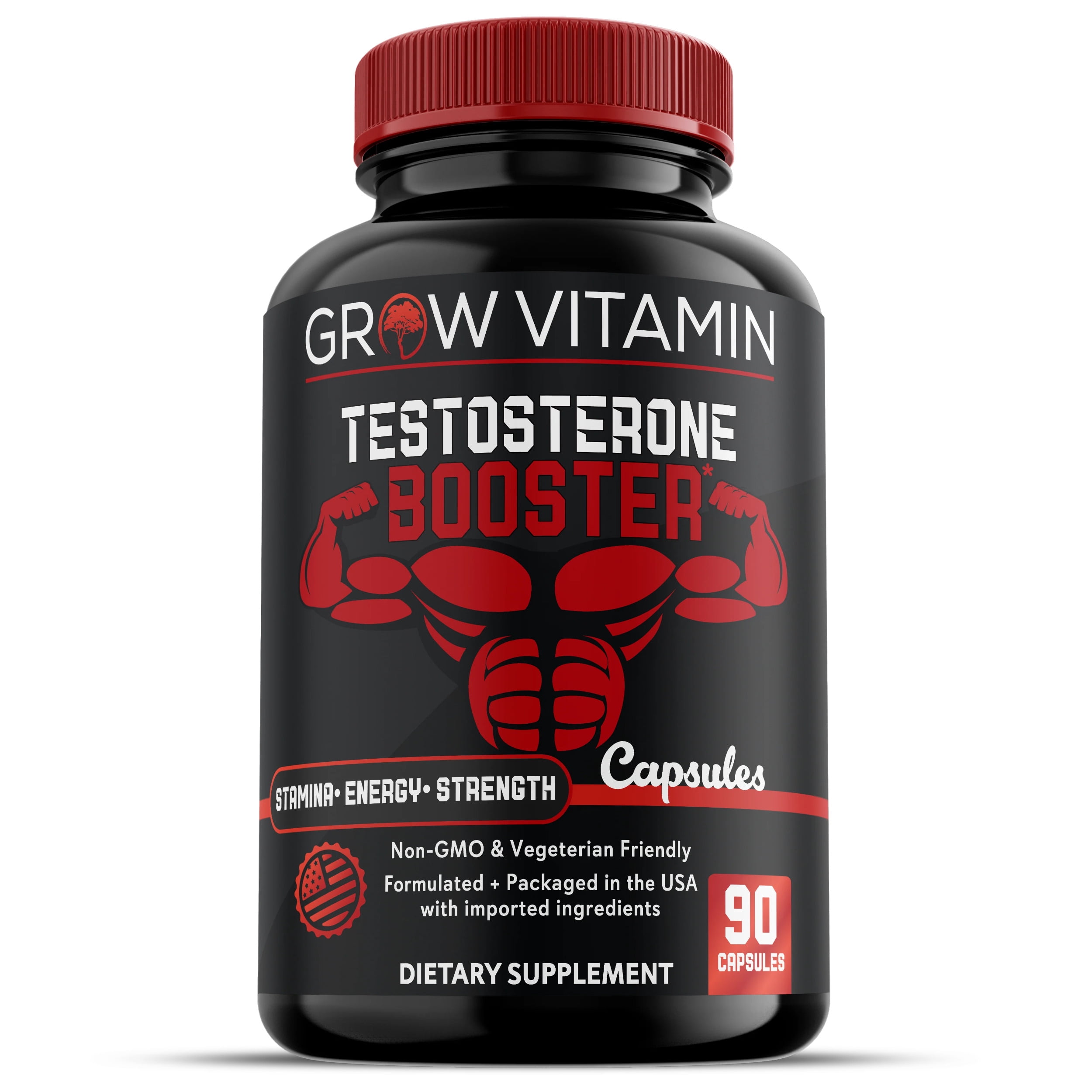
It’s easy to understand why “testosterone boosters” appear so attractive. They promise speed and simplicity. But a mood-focused journey requires a more grounded approach. Vitamin D supplementation is not a magic lever that instantly flips testosterone upward for everyone. It’s often more about restoring adequacy—like filling a reservoir before expecting the pump to run.
Also, not all products are equal. Some blends emphasize multiple ingredients, which can make it harder to identify what actually helps. If vitamin D is low, correcting it may create a foundation for better outcomes. If vitamin D is already sufficient, more supplementation may do little for mood or hormones—and could encourage unnecessary dosing.
Uncommon but important nuance: mood is multi-causal. Training volume, calorie intake, stress hormones, alcohol exposure, and even micronutrient status (like magnesium and zinc) can contribute. Vitamin D may be one piece of a larger mosaic, not the whole mural.
How to Think About Testing and Targets Without Getting Lost
Instead of chasing guesswork, many men benefit from checking blood levels. The most practical concept is to measure vitamin D status and interpret it with clinical context. Vitamin D is fat-soluble and can accumulate, so intentional dosing matters.
Yet “optimal” varies by individual circumstances—sun exposure habits, baseline health, and body composition. The most satisfying plan is one that respects individuality. Mood improvement should be tracked as a trend, not an hour-by-hour event. Short-term swings can reflect sleep quality or workload. Longer windows reveal whether changes are real and sustainable.
When vitamin D is addressed responsibly, men sometimes notice a steadier emotional baseline: fewer mood cliffs, less fatigue-laced irritability, and a calmer readiness to engage with life.
Practical Steps for a Mood-Forward Vitamin D Strategy
Start with light. Gentle outdoor exposure can help support vitamin D synthesis while also reinforcing circadian rhythm. Then refine nutrition: foods naturally containing vitamin D are useful, though often not sufficient alone for everyone. If supplementation is considered, it’s best to align dose decisions with lab results and professional guidance.
Pair this with lifestyle coherence. Consistent sleep timing, balanced meals, resistance training, and stress management create an environment where hormones can do their work with fewer interruptions. Vitamin D becomes a supportive ingredient in a coordinated routine.
When mood is the priority, consistency wins. Not dramatic intensity. Not frantic cycling. Just a steady commitment to biological inputs that influence mood, energy, and hormonal health over time.
When to Seek Further Help (Because Mood Deserves Serious Attention)
If low mood comes with persistent symptoms—major changes in appetite, sleep disturbances, hopelessness, or loss of interest—it deserves professional attention. Hormones can be a factor, but mental health conditions also warrant care. The fascination with vitamin D should never distract from comprehensive support.
Still, even when mood concerns have complex causes, optimizing vitamin D status can be a meaningful component of a broader well-being plan. It can reduce one biological stressor and help the nervous system operate with slightly more ease.
The Takeaway: Why Vitamin D and Testosterone Feels Personal
Vitamin D and testosterone are connected through pathways that touch mood, stress resilience, and neural regulation. That’s why men notice the difference when it’s present—and why the story becomes captivating. It’s not just “a hormone.” It’s a felt experience: a shift in mental tone, a return of drive, a quieter fatigue.
For many, the most compelling reason to care is also the simplest: when the foundation improves, motivation follows. And when mood rises, testosterone health becomes easier to pursue—because you’re already moving with more intention.