If your hair seems thinner than it used to, or if you’re noticing more strands on your brush, it’s tempting to blame stress, genetics, or a recent haircut. Those factors matter—but nutrition can also quietly orchestrate hair health from the inside out. Vitamin D, in particular, is often overlooked, even though it participates in cell cycling, immune modulation, and the regulation of hair follicle activity. When vitamin D runs low, hair may respond in subtle, frustrating ways that don’t always match what you’d expect from “normal” shedding. Below are five telltale signs your hair loss might be connected to low vitamin D, along with practical ways to recognize the pattern and respond.
1) Gradual, Diffuse Shedding Instead of Sudden Clumps
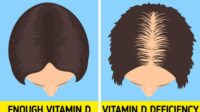
One of the most common signals is the kind of hair loss that doesn’t behave like a dramatic event. Instead of distinct bald patches or a sudden burst of shedding after a stressful week, you may notice a slow, widespread thinning. Strands can appear everywhere—on your pillow, in the shower drain, even on your collar. This diffuse shedding can feel “endless,” because it isn’t limited to one area.
Low vitamin D may influence hair follicles as they progress through their growth and rest phases. The transition can become less orderly, causing hairs to shed more readily. You might also observe hair that feels less dense at the crown or part line. Short sentences, but a familiar reality: the change is creeping, not crashing.

If you’re tracking your hair loss, look for patterns rather than isolated days. When shedding persists for weeks or months and is broadly distributed, it may align with nutritional imbalance—including deficient vitamin D.
2) Changes in Hair Texture: From Voluminous to Limp
Hair loss isn’t only about quantity. Vitamin D deficiency can correlate with hair quality changes, too. Some people describe their hair as less buoyant, more brittle, or harder to style. The strands may lose that “healthy grip,” becoming flat or tangly sooner than before.
This shift can be explained by the way hair follicles rely on a stable biochemical environment. When vitamin D is low, the scalp and follicular microenvironment may become less supportive of consistent growth. In practical terms, your hair can look like it’s thinning and weakening simultaneously.
Pay attention to how your hair behaves after washing. Does it tangle faster? Does it shed more noticeably during detangling? Do you see more broken hairs mixed with full-length strands? Those details matter. Broken hairs can indicate fragility, while full-length shedding points more toward follicle cycle disruption.

Not every texture change equals vitamin D deficiency, but the combination—thinning plus decreased density plus altered feel—can be a meaningful flag.
3) Scalp Irritation or Inflammatory Patterns
Vitamin D has a role in immune regulation. When levels are chronically low, inflammatory pathways can become more active. That matters because the scalp is not merely a passive surface; it’s a living tissue with its own immunologic rhythm.
You may notice a scalp that’s more reactive than usual: persistent itch, flaking that won’t settle, redness, or an uncomfortable tightness. Some people develop a form of dermatitis-like sensitivity that seems to flare during seasonal transitions or after minor routine changes—like switching shampoos or using a new hair product.
Here’s the nuance: inflammation can both cause shedding and worsen hair quality. Even if vitamin D isn’t the sole driver, it may be a contributing piece of the puzzle. The scalp’s microinflammation can potentially shorten the growth phase, nudging more hairs toward shedding.

If you’re managing dandruff or scalp irritation but you’re not seeing improvement, consider nutritional factors alongside topical strategies. Persistent inflammatory symptoms deserve a holistic look.
4) Fatigue, Low Mood, or Muscle Weakness Alongside Hair Loss
Hair doesn’t live in isolation. Vitamin D deficiency often expresses itself systemically, not just at the hairline. So if hair thinning is arriving with additional symptoms—fatigue, a muted mood, frequent aches, or muscle weakness—it becomes more plausible that low vitamin D is involved.
Some people describe a “battery drain” even when sleep seems adequate. Others note cramping, generalized soreness, or reduced endurance during activities they previously handled comfortably. Vitamin D helps with calcium absorption and plays a role in neuromuscular function, so deficiency can echo through the body.
Short sentence, strong connection: when the body feels off, hair can follow. The follicle is a high-turnover structure, and it responds to systemic cues. A nutritional deficiency can create a domino effect—first in energy metabolism and immune signaling, then in hair cycling.

Of course, these symptoms are not exclusive to vitamin D deficiency. Still, when they co-occur with diffuse hair thinning, the combination is worth investigating rather than dismissing.
5) Lifestyle Clues: Limited Sun Exposure, Darker Skin Tone, or Dietary Gaps
Vitamin D synthesis depends heavily on sun exposure. If you spend most days indoors, cover your skin frequently, or live in a region with limited sunlight during much of the year, your vitamin D stores may remain chronically low. This is especially relevant in winter months or for people with indoor-heavy schedules.
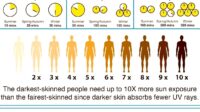
Skin pigmentation also influences vitamin D production. People with deeper skin tones generally produce vitamin D less efficiently from sunlight, which can increase the risk of deficiency—particularly when sun exposure is minimal. Additionally, dietary patterns can contribute. Few foods naturally contain meaningful vitamin D, so someone who rarely consumes fortified dairy, fatty fish, or eggs may fall short.
Consider your “vitamin D ecology.” Are you getting consistent outdoor light? Are supplements part of your routine? Do your meals regularly include vitamin D–rich sources? Answers don’t need to be perfect, but they can clarify the likelihood.

When lifestyle risk overlaps with the hair signs above, the case becomes stronger. Even then, confirmation should come from appropriate testing through a healthcare professional rather than guesswork.
What to Do Next: Testing, Supportive Habits, and Hair-Forward Patience
If you suspect low vitamin D is affecting your hair, the most responsible path is to evaluate with a blood test—commonly measuring 25-hydroxyvitamin D. This step helps determine whether supplementation is necessary and appropriate for your situation. A clinician can also assess other contributors to hair loss, such as iron deficiency, thyroid changes, stress-related shedding, and androgenetic patterns.
While you wait for results, focus on hair-supportive habits that won’t conflict with your plan. Treat your scalp gently, avoid aggressive traction hairstyles, and use a routine that minimizes breakage. If you’re detangling, be mindful—rubbing hard can turn shedding into visible thinning faster than you expect. Nutrition matters here too: adequate protein, healthy fats, and micronutrients contribute to follicular function.
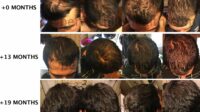
Then comes the timing reality. Hair follicles respond on their own schedule. Even after correcting a deficiency, noticeable improvement often takes months, not days. Short-term fluctuations may happen. Long-term consistency is what ultimately counts.
Vitamin D may not be the only factor, but it can be a vital one. When you connect the dots between shedding patterns, scalp behavior, systemic symptoms, and lifestyle exposure, you move from vague worry to a grounded, actionable strategy.