What if a tiny secosteroid—yes, vitamin D—could act like a stage manager for the immune system, nudging interferons into the spotlight exactly when a virus arrives uninvited? Imagine the innate immune response as a bustling city during a sudden blackout: interferons are the emergency dispatchers, but vitamin D quietly tunes the radio frequency, shaping how quickly and how efficiently antiviral signals get broadcast. Now here’s the playful challenge: if vitamin D levels are “off,” could interferon responses become late, muted, or even miscalibrated—like a fire alarm that sounds too softly to wake the household?
Vitamin D: More Than Bones, a Cytokine Conductor
Vitamin D is often introduced as a skeleton-supporting nutrient, yet its immunological behavior is far more mischievous and nuanced. After vitamin D is converted into its active form, it can influence gene transcription through the vitamin D receptor (VDR). Think of VDR as a molecular editor, revising immune “scripts” before the body performs them.
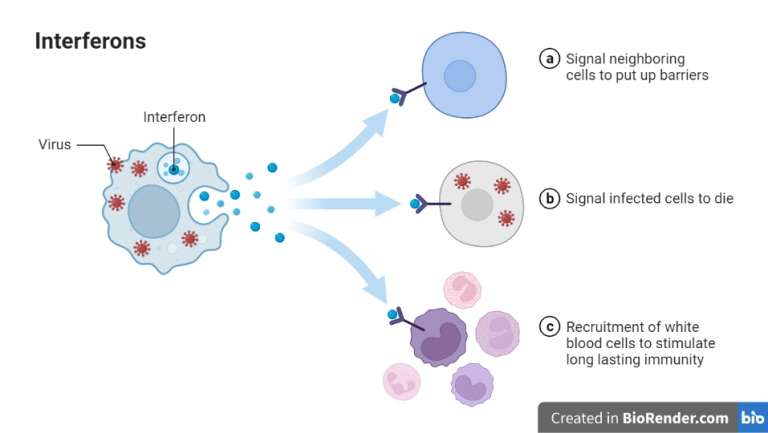
In immune cells such as monocytes, macrophages, and dendritic cells, vitamin D can alter the landscape of cytokines—small proteins that function like intercellular memos. This is where interferon response becomes relevant. Interferons are not just one signal; they’re a coordinated family that instructs cells to enter an antiviral state, slows viral replication, and enhances antigen presentation.
When vitamin D is adequate, immune cells may be more capable of mounting an appropriately timed response. When it’s insufficient, the choreography can become ragged—timing slips, pathways underperform, and viral replication may gain a foothold before the alarms fully activate.
Interferons: The Antiviral Alarm System with Different Voices
Interferons function like a layered alarm system. Type I interferons (such as IFN-α and IFN-β) ignite the classic antiviral program. Type III interferons (IFN-λ) are especially influential at epithelial barriers—strategic checkpoints where many viruses first gain access. Together, they induce interferon-stimulated genes (ISGs), which include proteins that hinder viral entry, replication, and assembly.
The elegance lies in feedback. Interferons activate pathways that can, in turn, amplify production of antiviral factors. Yet the immune system must balance intensity with restraint; overly aggressive signaling can drive inflammatory collateral damage. Thus, the question becomes not simply “more interferon is better,” but “the right interferon signal at the right time and in the right cell types.” Vitamin D appears to participate in this balancing act.
Visualizing this as a control room helps: interferons are the red warning lights, while vitamin D is a systems engineer adjusting sensitivity thresholds so that warnings fire when needed, not constantly or too late.
Vitamin D’s Interface with Innate Immunity: A Faster, Cleaner Opening Act
Innate immunity is the first wave—rapid, pattern-recognizing, and designed to respond before adaptive defenses arrive. Viral nucleic acids and protein motifs are detected by pattern recognition receptors (PRRs), including Toll-like receptors (TLRs). Once PRRs sense danger, signaling cascades activate transcription factors that can promote interferon production.
Vitamin D can influence several nodes in this network. It may promote antimicrobial functions and modulate antigen presentation, indirectly shaping the downstream interferon response. Additionally, vitamin D can regulate inflammatory mediators that otherwise could interfere with coherent antiviral signaling.
In a healthy scenario, vitamin D helps the innate immune system move from “pattern detected” to “antiviral program initiated” with greater efficiency. In a deficiency scenario, signaling may become sluggish or disorganized, allowing viruses to exploit early window periods.

The Vitamin D–Interferon Crosstalk: From Receptor Signaling to Antiviral Gene Programs
Interferon production relies on intracellular signaling—often involving pathways that culminate in transcriptional activation of interferon genes and ISGs. Vitamin D can intersect with these routes by influencing chromatin accessibility and transcriptional responsiveness in immune cells. In other words, it may change how “eager” certain genes are to be transcribed when danger signals arrive.
One intriguing concept is that vitamin D may help establish a more stable antiviral state. That matters because viruses don’t merely replicate; they also deploy countermeasures to disrupt host signaling. Many viral strategies involve blocking interferon production, dampening interferon receptor signaling, or interfering with ISG expression.
When vitamin D supports proper signaling competence, cells may better resist these viral tactics. When vitamin D is lacking, viral interference may face less opposition, resulting in weaker or delayed antiviral gene activation.

TLR Pathways and Antimicrobial Output: The Hidden Bridge to Interferons
Toll-like receptors sit at the front of the innate immune theater. When they detect microbial patterns, they kick off signaling networks that can promote cytokine production—including interferons. Vitamin D has been described as engaging with antimicrobial pathways that complement interferon signaling.
In practical terms, this means vitamin D could influence how effectively PRR-triggered signals translate into antiviral outcomes. It’s not just about interferon quantity. It’s about the downstream “quality control” of antiviral programs: whether antimicrobial mediators, antiviral peptides, and antigen-presenting behaviors align with interferon-driven gene expression.
So the bridge is two-way: PRR activation helps generate interferon responses, and vitamin D helps shape the cell’s readiness to convert those signals into functional resistance.

Viral Interference: When Invaders Try to Mute the Alarm
Viruses are not passive. They evolved molecular tools that sabotage host immune signaling, including interferon pathways. Some viral proteins can interfere with interferon production or interfere with transcriptional programs needed for an effective antiviral state. This tug-of-war is dynamic: the host tries to relay alarms, and the virus tries to sever the communication lines.
Vitamin D’s role becomes especially interesting under pressure. If vitamin D helps strengthen innate immune signaling readiness, it may partially buffer against viral attempts to blunt interferon responses. Conversely, if vitamin D is insufficient, viral interference may have an easier route, leading to a faster clinical progression.
This is why the earlier challenge matters: the immune system is a timing-based machine. A delay of minutes—or a reduction in signal strength—can change the entire trajectory of infection.
Barrier Tissues and the IFN Landscape: Why Mucosal Immunity Matters
Many pathogens enter through epithelial surfaces—airways, gut, and other mucosa. Type III interferons are particularly relevant here. They help establish local antiviral defenses without unleashing excessive systemic inflammation. Vitamin D’s influence on immune cell behavior and barrier-adjacent signaling may therefore indirectly contribute to how effectively interferon defenses are deployed at these front-line sites.
It’s the difference between defending the front door versus only fortifying the interior rooms. Strong mucosal readiness can limit viral spread early, reducing the need for more dramatic immune escalation later.
The Practical Challenge: Not “More,” but “Appropriate” Antiviral Signaling
Here’s the final twist: the immune system is not a thermostat set to “maximum.” Too little vitamin D can impair certain immune competencies, but excessive or inappropriate modulation could theoretically disrupt balance. Interferons, while antiviral, are also inflammatory in their wake. Therefore, the goal is not simply maximal interferon output—it’s coherent, well-timed signaling that avoids immune overreach.
Instead of imagining vitamin D as a magic switch, consider it a tuning knob. Adequate vitamin D may help the body respond with sharper calibration: earlier recognition, effective interferon signaling, robust ISG activation, and better resistance to viral sabotage.
So the playful question returns with a new edge: if vitamin D tunes the immune “radio,” how clear is the signal in the moment a virus pushes its way into the transmission lines?