Vitamin D and GLP-1 agonists—think Ozempic and Wegovy—occupy two very different biological “neighborhoods” in the body. Vitamin D is a pleiotropic micronutrient that moonlights as a hormone precursor, orchestrating bone health, immune signaling, and cellular differentiation. GLP-1 agonists, meanwhile, are pharmacologic agents designed to modulate appetite, glucose handling, and metabolic throughput. When these two enter the conversation together, the interesting question is not whether they affect each other directly, but how they can intersect indirectly through weight change, diet patterns, inflammation, and medication routines. The goal of this guide is to help you understand what’s known, what’s plausible, and what you can practically monitor—so your regimen feels less like guesswork and more like a deliberate protocol.
1) Vitamin D: more than “just” bone support
Vitamin D is often introduced as a guardian of calcium and skeletal integrity. That’s true, but it’s only the visible part of the iceberg. In reality, vitamin D is metabolized into active forms that interact with nuclear receptors, influencing gene expression across multiple tissues. This includes the immune system, where vitamin D can modulate inflammatory tone. It also includes muscle function, where deficiency is associated with weakness and impaired performance. The nuance here matters: if you begin a weight-loss journey with a GLP-1 agonist and your diet shifts, your vitamin D intake and sun exposure may shift too—sometimes unintentionally.
Deficiency is common. Reasons include limited sunlight, darker skin pigmentation, sunscreen overuse in low-sun climates, malabsorption syndromes, and certain medications. Symptoms can be vague: fatigue, diffuse aches, recurrent infections, or reduced physical resilience. Because symptoms aren’t specific, lab testing becomes the compass. Clinicians often look at 25-hydroxyvitamin D as the best marker of vitamin D status.
2) GLP-1 agonists: appetite, glucose, and metabolic reprogramming
Ozempic and Wegovy share a pharmacologic lineage, both belonging to the GLP-1 receptor agonist family. They enhance satiety and slow gastric emptying, which can reduce caloric intake without requiring willpower theater. Over time, many people experience improved glycemic control, lower insulin demand, and meaningful weight reduction. These outcomes can indirectly influence vitamin status in several ways: reduced food volume, changes in macronutrient distribution, and sometimes lower consumption of vitamin-D-rich foods.
Notably, GLP-1 medications do not “replace” micronutrients. They may change how your body metabolizes energy, but they do not automatically correct deficiencies. So the practical concern becomes: if weight loss alters your eating patterns, will vitamin D intake and vitamin D-related behavior (like fortified dairy or supplements) keep pace?
3) Where the connection may form: diet, weight change, and physiology
The relationship between vitamin D and GLP-1 agonists is more of a systems conversation than a direct biochemical handshake. Here are the main pathways that often create practical overlap:
Dietary shifts: As appetite decreases, people may reduce portions across the board. If the diet becomes more homogenized—less dairy, fewer fortified foods, fewer fatty fish meals—vitamin D intake can fall. Conversely, some people become more nutritionally intentional and add supplements.
Body composition changes: Losing weight often changes how nutrients distribute in adipose tissue and how inflammatory mediators behave. Vitamin D is fat-soluble, meaning body fat dynamics can influence circulating levels.
Inflammation and insulin sensitivity: GLP-1-driven metabolic improvements can reduce inflammatory stress. Vitamin D’s immune-modulating effects may become more relevant in the context of improved metabolic health, even if the causality isn’t one-to-one.
These possibilities help explain why some individuals report “better labs” after weight loss, while others do not. Individual biology matters, and adherence to supplementation—if recommended—often becomes the deciding factor.
4) What lab work to consider: vitamin D, calcium, and beyond
If you’re thinking about vitamin D while using Ozempic or Wegovy, lab testing can reduce ambiguity. Common tests include:
25-hydroxyvitamin D: the standard marker used to determine whether levels are insufficient, adequate, or in a higher range.
Calcium: because vitamin D supports calcium absorption. Abnormal calcium levels can signal issues with vitamin D metabolism or other underlying conditions.
Parathyroid hormone (PTH): sometimes checked to interpret vitamin D status more comprehensively, especially when levels are borderline.
Magnesium: less commonly discussed, but magnesium is involved in vitamin D activation pathways. If magnesium is low, vitamin D repletion may be less efficient.
Testing frequency varies. Some people recheck after several months of consistent supplementation or after significant weight changes. Your clinician can tailor this based on baseline deficiency severity and overall risk factors.
5) Supplementation basics: choosing a strategy that fits your life
Vitamin D supplements are typically given as D2 (ergocalciferol) or D3 (cholecalciferol). Many practitioners prefer vitamin D3 for routine supplementation, while exact decisions depend on clinical context. Dosing is rarely one-size-fits-all. It depends on current blood levels, absorption capacity, body weight, sunlight exposure, and whether there are conditions such as malabsorption or chronic kidney disease.
Consistency is the hidden variable. A single missed week can matter when your baseline is low. Also, vitamin D is fat-soluble, so taking it with a meal containing fat may improve absorption. If nausea is an issue with GLP-1 initiation, consider timing your supplement with the meal you tolerate best.
Be cautious with high-dose regimens. Excess vitamin D can lead to hypercalcemia, which can be dangerous. That’s why a lab-guided approach is usually safer than “more is better” experimentation.
6) Bone and muscle implications during GLP-1 weight loss
When weight drops quickly, lean tissue can be at risk—particularly if protein intake is insufficient or if exercise is neglected. Vitamin D supports muscle function and may contribute to maintaining strength and physical performance. That doesn’t mean vitamin D alone prevents muscle loss, but it can be part of a broader anti-sarcopenic strategy.
To protect your “metabolic scaffolding,” pair your vitamin D plan with two other pillars: adequate protein and resistance training. Think of vitamin D as a supportive actor, not the lead. When strength training and sufficient protein are in place, vitamin D status becomes more consequential.
7) Troubleshooting common scenarios: what happens in real life
Scenario A: You start Ozempic/Wegovy and your appetite drops hard. Food frequency may decrease, including fortified foods. If you were relying on diet for vitamin D, supplementation may be worth reconsidering.
Scenario B: You already had low vitamin D before treatment. Repletion should generally be planned proactively, with follow-up labs to confirm response.
Scenario C: You don’t eat much dairy or fish. Your baseline vitamin D intake may already be limited. Fortified alternatives or supplements may become necessary.
Scenario D: You feel fatigued despite “normal” vitamin D. Fatigue can have many causes—sleep disruption, iron deficiency, thyroid issues, or medication side effects. Vitamin D is important, but it’s not a universal explanation.
These scenarios highlight a key theme: vitamin D management should be dynamic, not static.
8) Safety considerations: interactions and red-flag symptoms
Vitamin D supplements are generally safe when used appropriately, but there are safety boundaries. People with kidney stones, kidney disease, sarcoidosis or other granulomatous disorders, and certain parathyroid conditions should be especially cautious and require clinician oversight. Also, calcium metabolism matters; if you’re taking calcium supplements along with vitamin D, total intake should be reviewed.
GLP-1 agonists come with their own safety profile, including gastrointestinal effects. While there isn’t a well-established direct interaction that makes vitamin D supplementation automatically problematic, the practical issue is absorption and tolerance. If you experience nausea or abdominal discomfort, take supplements at a time you can reliably eat and absorb.
Red flags are important: excessive thirst, frequent urination, constipation, confusion, or unusual weakness can indicate high calcium levels. In such cases, stop and seek medical evaluation rather than adjusting dose independently.
9) What to expect over time: timelines and measurable progress
Vitamin D status doesn’t change instantly. After starting supplementation, labs may take weeks to months to stabilize, depending on baseline levels and dosing. GLP-1 medications often lead to early appetite reduction and progressive weight loss. Because body composition changes over time, vitamin D levels may shift alongside the weight trajectory—sometimes upward, sometimes stable, sometimes unpredictable.
This is why it helps to think in “milestones.” Examples include baseline labs, a mid-course check if you’re severely deficient, and a follow-up after your weight loss phase stabilizes. Keep a log of supplement timing, dietary patterns, and adherence. This transforms the process from vague hope into traceable evidence.
10) Visualizing the bigger picture
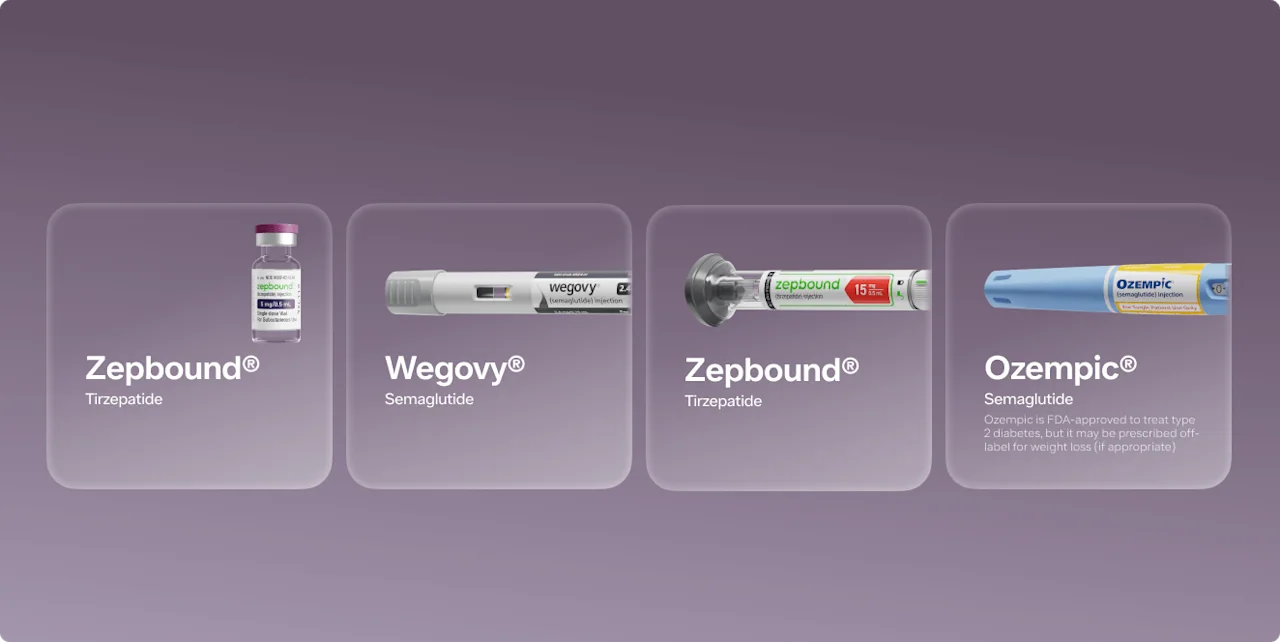
Understanding how GLP-1 drugs compare can clarify why people often experience appetite changes that affect nutrition habits. Meanwhile, vitamin D status remains a parallel variable that’s measurable, adjustable, and worth attending to.
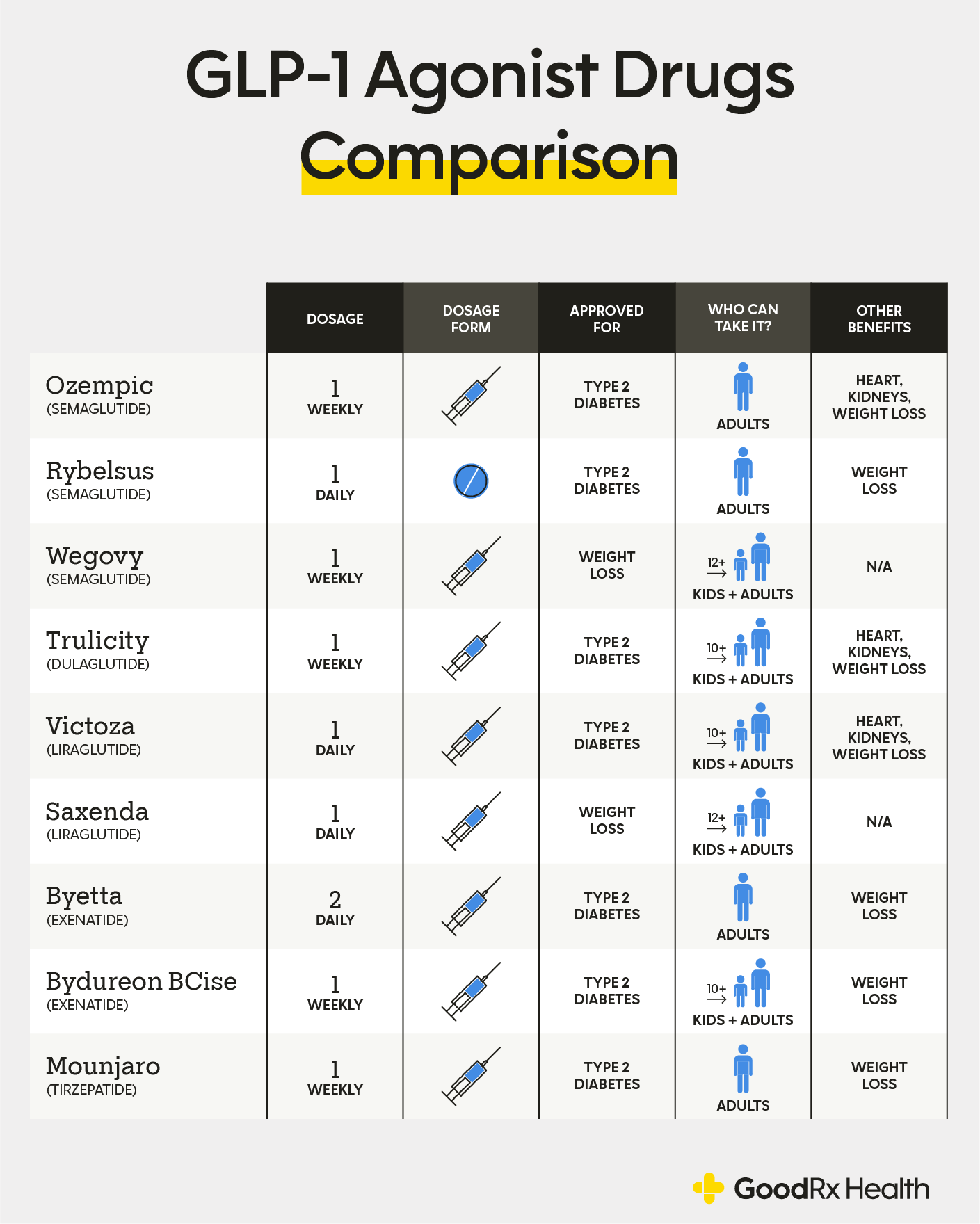
As you refine your plan, remember the central idea: GLP-1 agonists can reshape energy intake and metabolic signaling, but vitamin D ensures your musculoskeletal and immune-support framework stays buffered.
11) Practical next steps: a sensible checklist
Before or after starting Ozempic or Wegovy, consider this pragmatic checklist:
Check baseline vitamin D: especially if you’ve had prior deficiency or limited sun exposure.
Review diet patterns: note fortified foods, dairy intake, fatty fish frequency, and overall fat consumption.
Ask about a lab-guided dose: avoid guesswork dosing and aim for recheck timelines.
Support muscle health: prioritize protein and resistance training.
Track symptoms and tolerance: align supplement timing with meals you can consistently manage.
Short and long sentences both matter here: Vitamin D is not an accessory. And GLP-1 therapy is not a substitute for micronutrient stewardship. When these elements are managed together, you move from reactive adjustments to proactive care—an approach that typically feels calmer, clearer, and more sustainable.