What if your bones could tell a story—one measured in density, quiet strength, and the slow choreography of calcium and vitamin D? After menopause, that story can change rapidly. Not overnight, not with drama—but with a steady, almost mischievous drift toward fragility. The twist? Two nutrients, often discussed in the same breath, can meaningfully influence how resilient your skeleton remains. And here’s a playful challenge to begin: can you name the last time you thought about vitamin D beyond a sunny afternoon? If the answer is “not recently,” you’re not alone. Let’s turn that curiosity into clarity.
Why Postmenopausal Bone Density Feels Like a Moving Target
Menopause often marks a biological rebalancing. Estrogen—an unsung steward of bone remodeling—declines. When estrogen falls, bone resorption can outpace bone formation. The result can be progressive thinning of bone mineral density, leaving bones more susceptible to fractures.
This process isn’t always felt. It’s like noticing a bookshelf has quietly loosened its shelves over time. You may still stand tall, laugh, and move with ease—until a minor stumble reveals a compromised structural reserve. That’s why preventive nutrition matters, especially when bone turnover dynamics shift.
The Calcium Connection: Bone’s Structural Architecture
Calcium is the literal building material of bone. It contributes to hydroxyapatite—bone’s mineral scaffold that provides rigidity and load-bearing capacity. Without adequate calcium availability, the body may compensate by pulling calcium from bone stores, a strategy that keeps blood calcium stable in the short term but weakens the long term integrity of the skeleton.
However, calcium isn’t just “more is better.” Total intake should be appropriate for your body. Too little can be problematic; excessively high supplementation without guidance can bring its own complications. The goal is a steady, sustainable supply.
Vitamin D: The Key That Opens Calcium’s Door
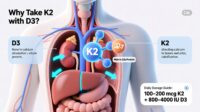
If calcium is the bricks, vitamin D is the foreman overseeing delivery and absorption. Vitamin D enhances intestinal absorption of calcium and supports proper mineralization. When vitamin D status is insufficient, even a calcium-rich diet may not translate into optimal bone mineral deposition.
Think of it as trying to stock a warehouse during a power outage. Calcium might be available, but the mechanisms that move it into usable form are impaired. This is why vitamin D is frequently described as a “facilitator” rather than a stand-alone solution.
How Vitamin D and Calcium Work Together (and Why Timing Matters)
The synergy between vitamin D and calcium is not merely theoretical. Vitamin D improves the efficiency of absorption, allowing calcium to be incorporated into bone. Together, they influence remodeling balance, mineralization, and—over time—bone density trajectory.
Timing can play a subtle role as well. Calcium is best absorbed in distributed doses rather than swallowed in a single large amount. Many people absorb dietary calcium more effectively when it’s spread across meals. Vitamin D may also be taken with food, particularly if it’s fat-soluble, to support absorption.
Short sentence, long consequence: consistent uptake often beats occasional spikes.
Dietary Sources: Building Blocks That Don’t Feel Like Homework
Calcium can be sourced from dairy products such as milk, yogurt, and cheese. For those who prefer non-dairy options, calcium-fortified beverages, tofu made with calcium sulfate, and certain leafy greens can contribute. Some vegetables contain oxalates that reduce calcium absorption, but overall dietary patterns still matter.
Vitamin D is trickier. Naturally occurring food sources are limited, and many people rely on sunlight exposure plus diet or supplementation. Fatty fish (like salmon or sardines), egg yolks, and fortified foods can help, but they may not reliably meet requirements on their own.
Here’s a small experiment: look at your next two meals. Are they quietly supporting your bones, or are they missing calcium’s structural contribution? No judgment—just observation.
Sunlight, Seasonality, and the “Hidden Deficit” Problem
Sunlight exposure supports vitamin D synthesis in the skin. Yet it’s influenced by geography, season, latitude, skin pigmentation, sunscreen habits, cloud cover, time outdoors, and even lifestyle. Many individuals—especially those indoors more often—develop “hidden deficits” without obvious symptoms.
Vitamin D insufficiency can be stealthy. Fatigue and muscle discomfort are sometimes associated, but they are nonspecific. That’s why assessing vitamin D status via blood testing can be useful—particularly if there are fracture risks or limited sun exposure.
Challenge reminder: when was the last time you checked your real vitamin D status instead of guessing based on your sun habits?
Supplementation: When Food Isn’t Enough (and When It’s Too Much)
Supplements can help bridge gaps, but they work best with strategy. Calcium supplements are often used when dietary intake is inadequate. They come in different forms, and absorption can vary. Vitamin D supplements are commonly used to correct low levels and maintain sufficiency.
Important nuance: calcium and vitamin D should be considered in context of overall health—kidney function, medication use, and dietary patterns. For example, certain conditions and medications can alter mineral handling. Therefore, individualized guidance is wise, especially for people with a history of kidney stones or other metabolic concerns.
Short and sharp thought: supplementation should feel like fine-tuning, not a blunt instrument.
Bone Density Isn’t Just a Number—It’s a Risk Narrative
Bone mineral density measurements help predict fracture risk, but the story doesn’t end with density alone. Bone quality reflects microarchitecture, collagen integrity, and turnover rates. Postmenopausal bone health involves both mineral content and the “texture” of the skeleton.
Calcium and vitamin D support the mineralization process. Over time, they may help slow bone loss, particularly when combined with broader lifestyle measures. Nutrient adequacy is one lever; strength, balance, and movement are other crucial levers.
Exercise Synergy: Strength Training Meets Nutrient Support
Nutrition works best when muscles and bones are actively communicating. Weight-bearing activities and resistance training provide mechanical signals that encourage bone formation and help maintain muscle mass. Better muscle function also improves balance, lowering fall risk—the event that often turns bone vulnerability into injury.
Picture it like this: calcium and vitamin D prepare the material, while exercise provides the structural “instructions.” The body responds to loading by adapting. Even walking can support bone health, but targeted resistance training tends to deliver more direct stimulus.
Putting It All Together: A Practical Postmenopausal Bone Plan
A coherent plan usually includes three components: consistent calcium intake, adequate vitamin D status, and movement that challenges bones safely. Start with diet. Add fortified foods or calcium-rich choices. Then consider vitamin D through sunlight, diet, or supplementation if needed. If there’s uncertainty, testing can clarify direction.
After that, choose exercise you can sustain. Consistency matters more than intensity. Pair it with fall-prevention practices: good footwear, home safety tweaks, and attention to balance. Bone health is a full-body project.
One last playful thought: your bones are not passive. They are responsive, adaptive, and listening. When calcium and vitamin D are delivered with intention—paired with strength and stability—the narrative shifts from decline to resilience.
When to Seek Professional Guidance
If you have a history of fractures, known osteoporosis, or strong risk factors, consult a healthcare professional for a personalized approach. Bone health can involve medications and specialized assessments beyond nutrition alone. Blood tests for vitamin D can guide supplementation, and calcium targets can be tailored based on dietary intake and medical context.
It’s not about waiting for trouble. It’s about acting early—with knowledge, patience, and a bone-friendly strategy that feels doable, not overwhelming.