Have you ever felt the world tip sideways—just for a moment—like a mischievous camera operator trying to ruin your day? One minute you’re walking, the next minute your inner compass seems to wobble. Now here’s the playful question: could a “missing” vitamin be behind symptoms that people quietly blame on stress, sleep, or bad luck? That little gap—vitamin D deficiency—often slips under the radar. And when it does, one of the more under-discussed knock-on effects can be vertigo: that spinning, swaying, or rocking sensation that can make even simple tasks feel unexpectedly heroic. Let’s explore how this connection forms, why it’s rarely noticed early, and what you can do when your body sends those subtle, alarm-like signals.
Vertigo: Not Just “Dizziness,” but a Distinct Message
Vertigo isn’t merely lightheadedness. It’s a more specific neurologic and vestibular experience—your brain interpreting misalignment in balance signals. Some people describe it as the room spinning. Others feel as if they’re on a gentle carousel that refuses to stop. Even slight head movements can trigger episodes, turning ordinary turns into small ordeals.
This matters because when vertigo shows up, the mind usually reaches for the most familiar explanations: dehydration, anxiety, migraines, earwax, or “getting up too fast.” Those may be true sometimes. But there’s another possibility with a calmer, slower build-up: systemic factors that don’t feel dramatic until they accumulate enough to disrupt normal signaling—vitamin D deficiency is one of them.

Vitamin D: The Overlooked Player in Nerve and Immune Signaling
Vitamin D is often treated like a “bones only” nutrient. It does support calcium absorption and skeletal integrity, yes. But it’s also deeply involved in cellular communication. Think of it as a molecular diplomat—helping coordinate messaging among immune cells, nerves, and other tissue systems.
When vitamin D is low, the body may become more reactive and less resilient. That can influence inflammation pathways and the function of tissues involved in balance. While deficiency isn’t the sole cause of vertigo for everyone, it can be a contributing factor—especially when someone has recurring episodes, persistent fatigue, or other clues of suboptimal vitamin D levels.
Here’s the catch: vitamin D deficiency is frequently silent. People can feel “mostly fine” until the balance system begins to misfire.
The Missing Link: How Deficiency Might Contribute to Vertigo
The vestibular system—the inner-ear network responsible for balance—works with the brain to keep motion perception accurate. Vertigo occurs when these inputs become mismatched. Vitamin D deficiency may contribute indirectly through several routes:
• Inflammation modulation: Low vitamin D can tilt the immune system toward a more inflammatory pattern. Inflammation is a common theme in many conditions that affect the inner ear and adjacent structures.
• Neural signaling support: Nerves rely on finely tuned biochemical environments. When vitamin D is insufficient, the nervous system may not communicate as smoothly.
• Muscular and postural control: Balance depends not only on the ear, but on coordination of the body’s posture and proprioception. Vitamin D plays a role in muscle function; weakness or altered control can make vertigo feel more intense.
In other words, vitamin D deficiency may not “cause spinning” like a switch. Instead, it can lower the threshold for symptoms—making episodes more likely, more severe, or slower to resolve.
Clues You Might Be Missing Vitamin D (Even If You Don’t Feel “Sick”)
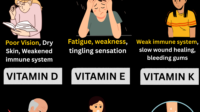
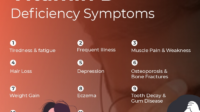
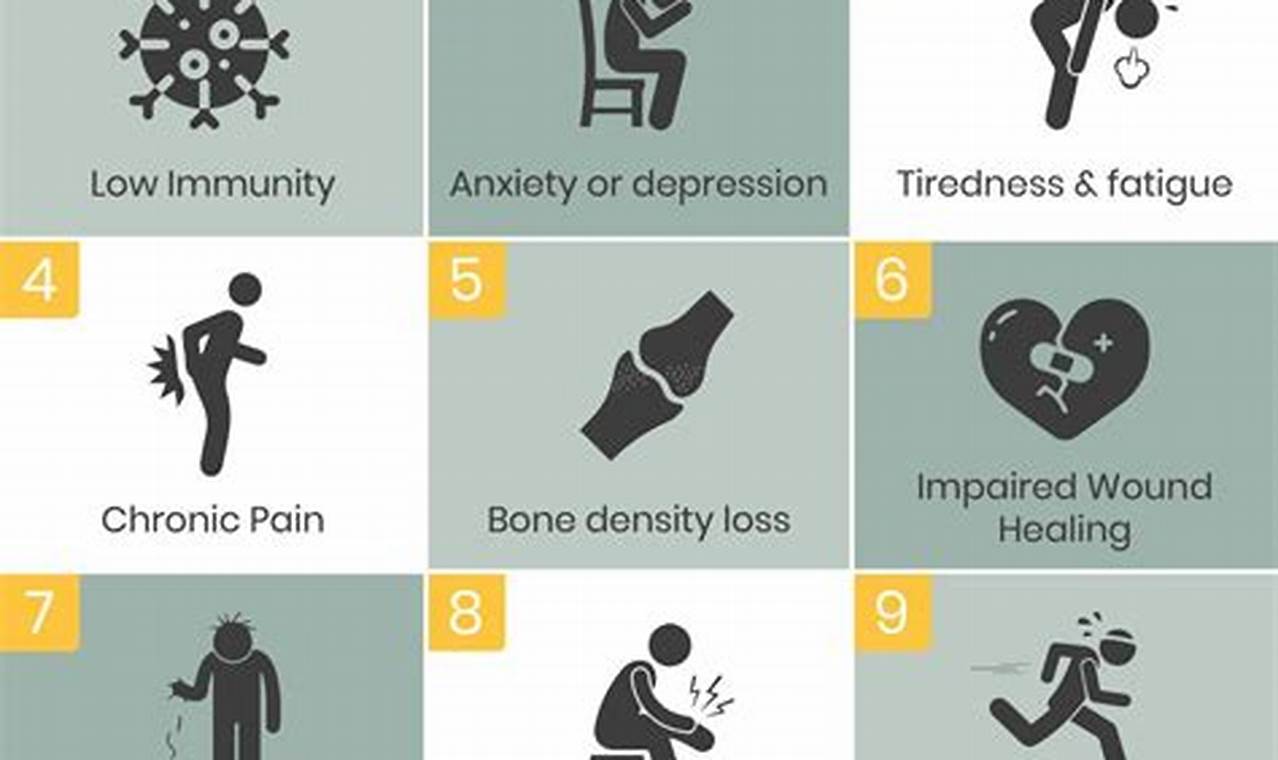
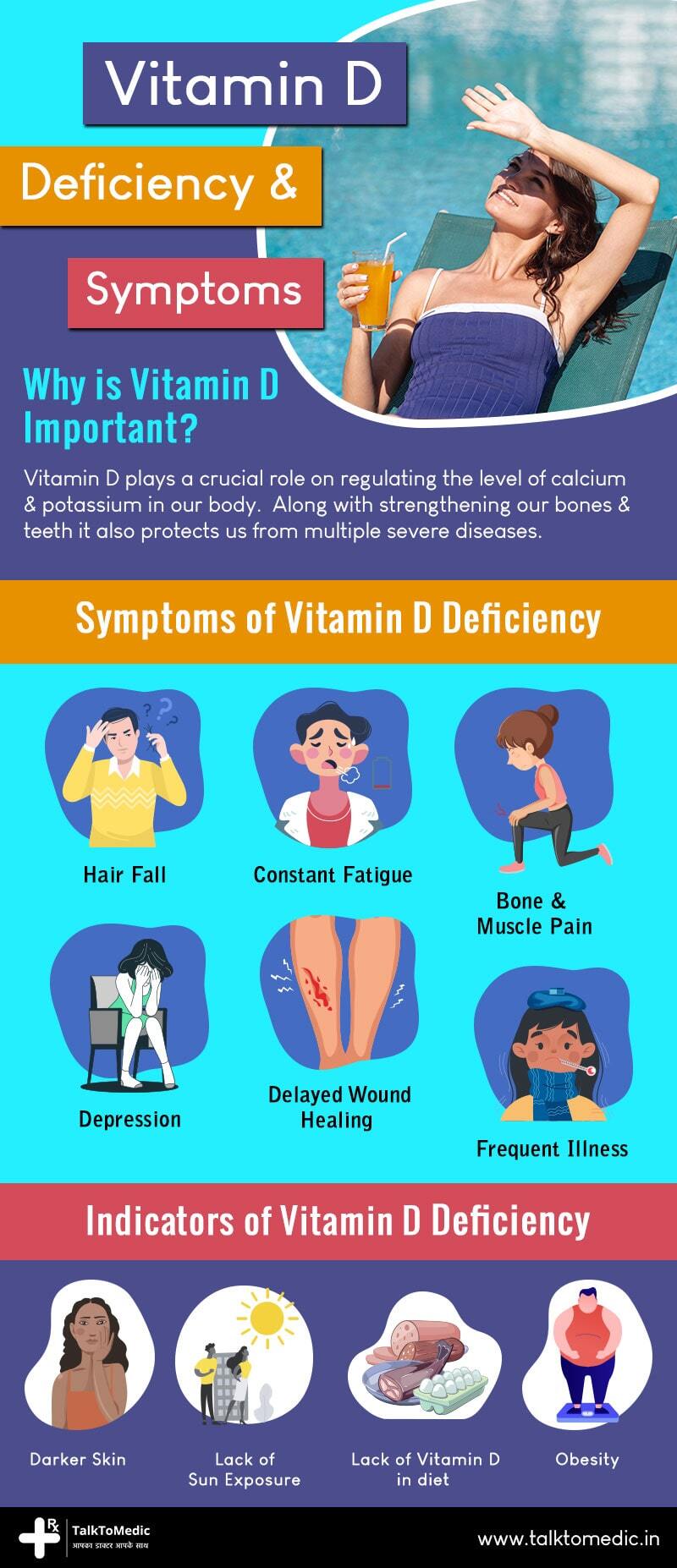
Vitamin D deficiency can present with a constellation of symptoms that sound unrelated—until you connect the dots. Some people notice:
• Persistent fatigue or low stamina
• Muscle aches, weakness, or cramps
• Bone discomfort, especially in weight-bearing areas
• Mood changes, sometimes described as a foggy or heavy feeling
• Frequent infections or a tendency to “run down”
And then there’s the balance problem: recurrent vertigo, unsteadiness, or lingering “after-shocks” after an episode. The lack of awareness is part of the challenge—many people treat vertigo symptom-by-symptom without checking the systemic foundation beneath it.
Common Triggers That Overlap with Deficiency
Vertigo has many neighborhood suspects. Some common triggers include head position changes, prolonged screen time, dehydration, insufficient sleep, stress, and certain medications. But vitamin D deficiency can quietly amplify susceptibility when these triggers stack up.
For instance, if you’re already low on vitamin D, then a week of poor sleep plus mild inflammation plus a bit of physical deconditioning might tip you over the edge. The episodes might feel “random,” but they can be patterned—seasonally worse, worse indoors, or worse during times when sun exposure dwindles.
That’s why the “little awareness” problem is so stubborn: vertigo often has a social script around it (“Oh, it’s just dizziness”), while vitamin deficiency lacks drama and therefore lacks attention.
Why Doctors and Patients Often Miss the Connection
Vertigo is fast to describe and easier to categorize than vitamin D deficiency. A person can point to a sudden spinning sensation. Meanwhile, vitamin D deficiency is slow, variable, and sometimes misunderstood as merely a wintertime issue.
There’s also a measurement barrier. Vitamin D status requires a blood test—typically 25-hydroxyvitamin D. Without testing, deficiency can remain a shadow condition. Patients may focus on immediate symptom relief (like controlling nausea or avoiding triggers) without evaluating root contributors.
It’s not that the connection is obvious. It’s that it’s often invisible.
Can Correcting Vitamin D Help Vertigo?
Sometimes. And sometimes partially. The goal isn’t to claim vitamin D is a guaranteed vertigo cure. It’s more accurate to say that addressing deficiency may improve overall balance resilience—especially in people whose vertigo coincides with low vitamin D levels.
When vitamin D is corrected, some individuals report fewer episodes, less lingering unsteadiness, or improved muscle stability. For others, it may help the body recover better between attacks.
The practical question becomes: what’s your level, and what’s your plan? Because supplementation without context can be unwise.

A Playful Challenge: The “Spiral Audit” for Your Next Episode
Here’s a challenge that turns confusion into clarity. The next time vertigo rears its head, try a “spiral audit.” Keep it simple, not obsessive.
• Track timing: When did it begin? Morning, evening, after sun exposure changes?
• Track triggers: Turning your head, looking up, dehydration, stress, missed meals?
• Track accompaniments: Ear fullness, headache, nausea, ringing, fatigue, muscle soreness?
• Track recovery speed: How long until you feel stable again?
Then—this is the key—ask whether vitamin D status should be checked. Not as a dramatic “either/or,” but as a reasonable, often neglected piece of the puzzle.
When to Seek Urgent Medical Advice
Vertigo can occasionally signal something more serious. Seek urgent care if vertigo appears with any of the following: weakness or numbness on one side of the body, trouble speaking, severe headache unlike your usual pattern, chest pain, fainting, or difficulty walking that rapidly worsens. Safety is not a minor concern. It’s the foundation.
For ongoing or recurrent vertigo, a clinician may evaluate inner-ear causes, neurological contributors, medication effects, and bloodwork—including vitamin D—when appropriate.
Testing and Supplementation: Making It Strategic, Not Guesswork
If vitamin D deficiency is on the table, testing helps transform guesswork into a tailored plan. Supplementation should be guided by results, your health history, and any relevant lab values like calcium and kidney function.
Vitamin D is fat-soluble, which means the body stores it. That’s another reason why “more is better” can become a trap. The best approach is usually: measure first, adjust carefully, and recheck levels after a reasonable interval.
Pair the medical plan with lifestyle supports: sensible sunlight exposure when safe, dietary sources, and resistance or balance-oriented exercises to strengthen stability.
Bringing It All Together: A Symptom Worth More Attention
Vertigo isn’t just an annoyance—it’s a signal that your balance system is negotiating with something it can’t fully reconcile. Vitamin D deficiency may not be the sole culprit, but it can be an overlooked amplifier, quietly eroding resilience and increasing the chance that dizziness becomes a recurring problem.
The real shift is awareness. When vertigo shows up repeatedly—especially alongside fatigue, muscle discomfort, or seasonal patterns—it’s worth considering whether vitamin D status deserves a place in the conversation. And if you take the spiral audit seriously, you’ll be doing more than tracking symptoms. You’ll be translating them into actionable information.
Because sometimes the best way to stop the world from wobbling is to check what your body has been quietly missing.