Every school year seems to come with its own weather system: runny noses, scratchy throats, and the familiar shuffle of symptoms that never quite clear on schedule. Parents often notice a pattern—kids who seem to catch colds “too easily,” especially during winter months or right after a busy stretch of exams and sports. The question that lingers is both simple and oddly fascinating: could something as quiet as vitamin D deficiency be turning up the volume on respiratory trouble?
The Seasonal Pattern: Why Colds Cluster in School-Aged Kids
Colds are contagious, yes. But they are also seasonal. Viral circulation rises when humidity drops, classrooms get crowded, and time spent indoors grows. Yet not all children get sick with the same frequency. Some appear to glide through peaks while others accumulate infections like timestamps. This unevenness often hints at underlying biological “settings”—subtle immune calibration rather than sheer luck.
School-aged children are in a particularly energetic window: they’re constantly exposed to new pathogens, they touch shared surfaces, and they bring home germs from playgrounds and group activities. Their immune systems are active and learning, which is normal. Still, when colds become unusually frequent or severe, the pattern deserves attention beyond handwashing and rest.
Vitamin D fits into this story because it acts less like a traditional vitamin and more like a hormone-like regulator. It can influence how immune cells respond, how inflammation behaves, and how the body’s first lines of defense “snap into position.” In other words, when vitamin D levels are low, the immune system may respond with either delayed precision or excessive noise—both of which can leave the child more vulnerable to repeated infections.
Vitamin D: Beyond Bones—A Hidden Immune Modulator
Many people think of vitamin D only in terms of calcium absorption and skeletal strength. That’s accurate, but incomplete. Vitamin D participates in an immunologic choreography: it affects innate immunity, including barriers and early inflammatory signals, and it supports adaptive immunity, which is responsible for longer-term responses.
In practical terms, low vitamin D can create a situation where respiratory tissues are less prepared. The nasal passages, throat lining, and airway defenses rely on a coordinated immune response. When that coordination is slightly off, viruses may gain footholds more easily. The outcome can look like frequent colds, lingering symptoms, or a tendency to “catch the next one” soon after recovering.
This is not to say vitamin D alone causes all infections. Instead, it may lower the threshold for how readily minor exposures turn into full-blown illness.
Signs and Clues of Vitamin D Deficiency in Children
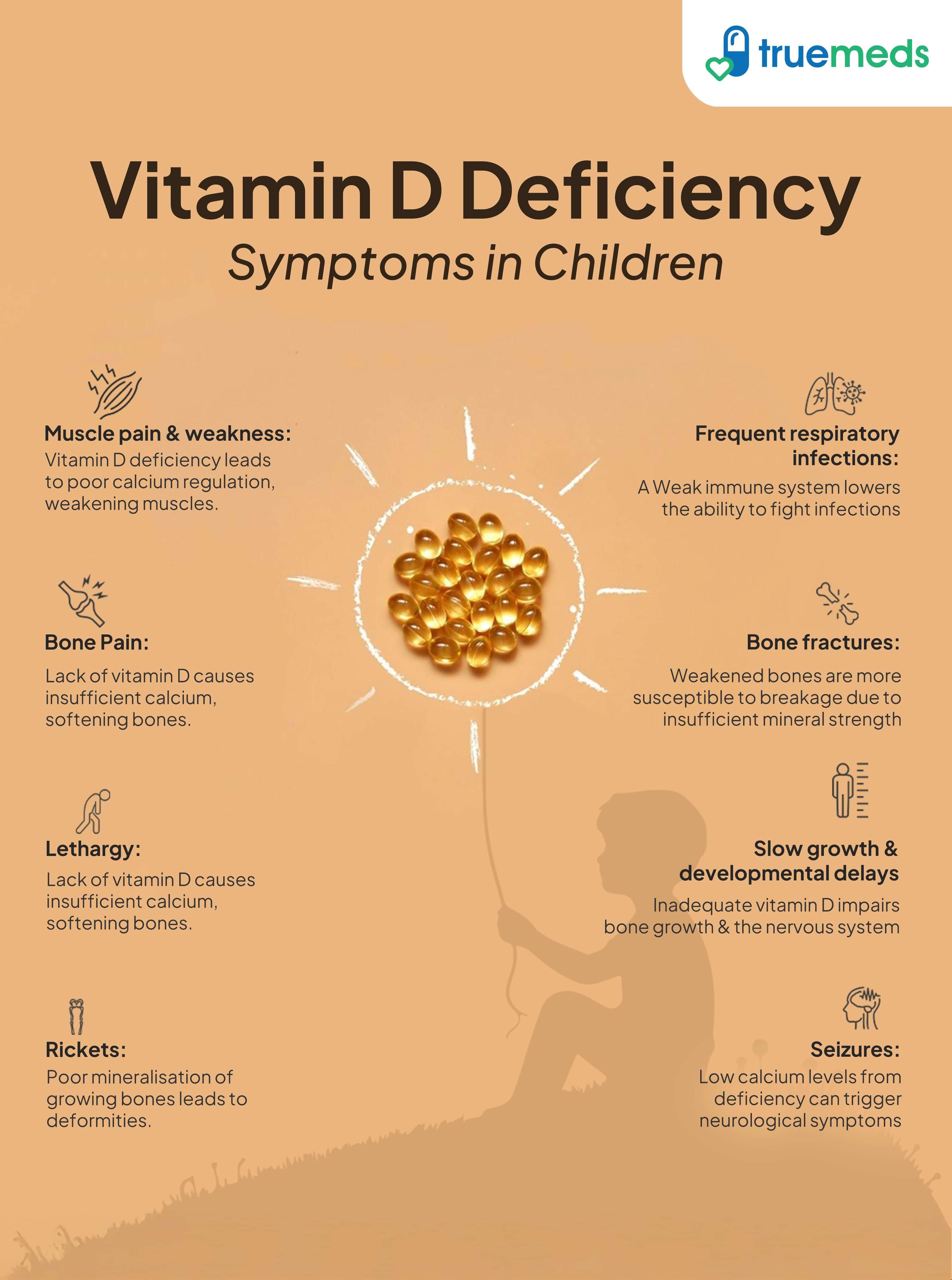
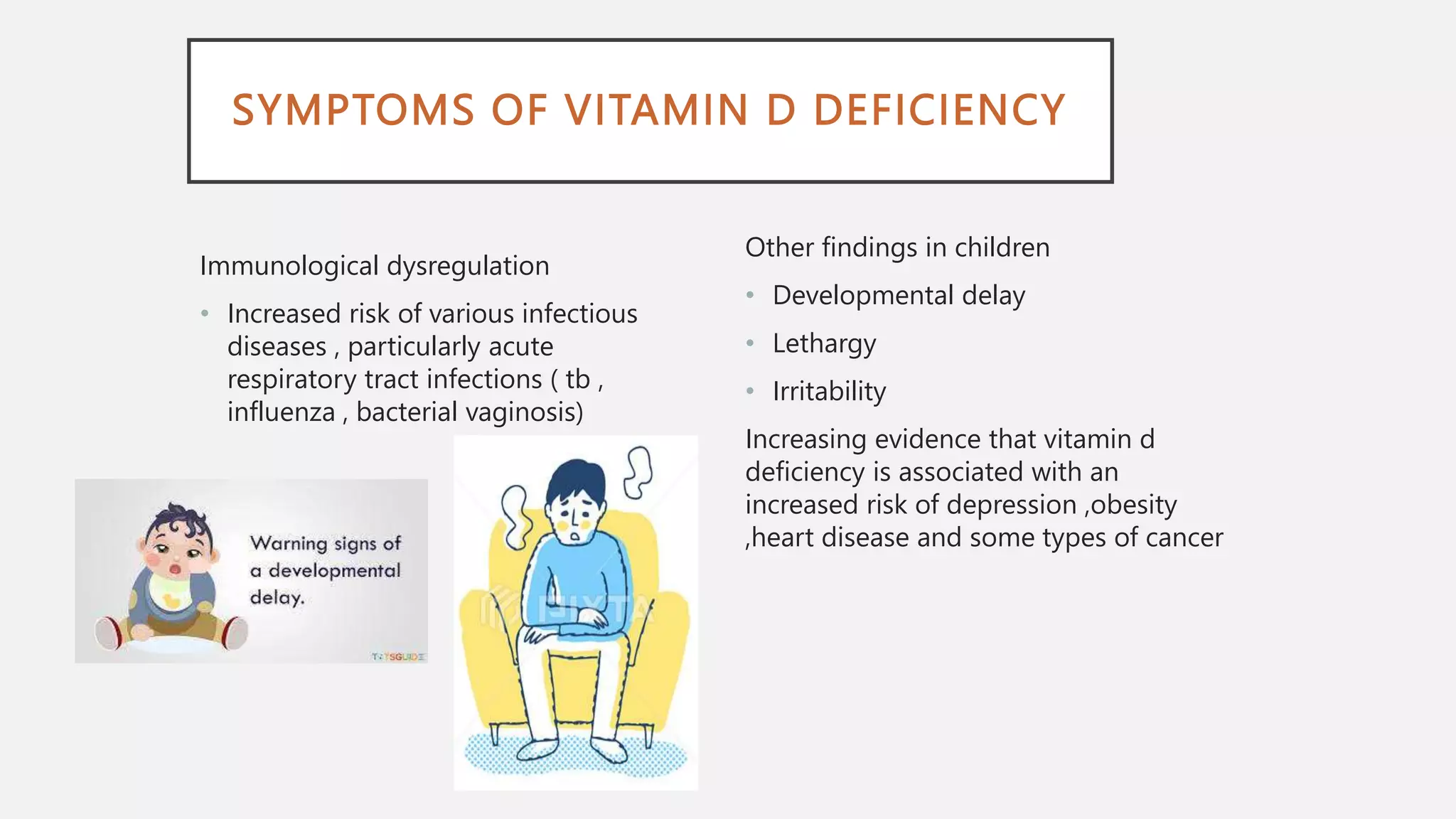
Vitamin D deficiency can be silent. A child might not complain of anything dramatic, yet subtle clues may exist. Some children show lower energy, slower recovery after illness, or general fussiness that parents struggle to categorize. Others experience musculoskeletal discomfort—aching legs, vague body soreness, or reluctance to participate in physical activities.
Long-term, significant deficiency can affect bone health and contribute to conditions related to inadequate mineralization. That’s why it matters to look for patterns rather than single incidents of fatigue. A child with frequent colds plus signs of low vitamin stores deserves a more thoughtful investigation than “another winter sickness.”
Consider also growth and nutrition context. Children who have restricted diets, limited dairy intake, or irregular meal patterns may be at higher risk, especially if sunlight exposure is inconsistent.
Why Some Kids Are More Likely to Have Low Vitamin D
Low vitamin D often comes from a combination of biology and lifestyle. Sunlight triggers vitamin D synthesis in the skin, but modern routines can reduce that opportunity. Many children spend long hours indoors for schoolwork, video games, tutoring, or evening screen time. Even outdoor play doesn’t guarantee adequate exposure, because factors like sunscreen use, cloud cover, darker skin pigmentation, and clothing coverage all influence how much vitamin D is produced.
Geography matters too. Regions with long winters and fewer sunny days can create a baseline deficiency risk that lingers. Urban environments may also reduce exposure due to shorter daylight hours during commuting and tighter schedules.
Diet is another lever. If a child rarely eats vitamin D–fortified foods or fatty fish, their intake may fall short. Some diets intentionally avoid dairy or certain animal products, which can indirectly lower vitamin D consumption unless alternatives are fortified.
Frequent Colds: When It’s Normal vs. When It’s a Signal
School-aged kids typically experience multiple respiratory infections per year. Immunologic learning takes time. A busy pattern—especially in winter—can still be within expected boundaries.
However, several situations may suggest a deeper issue:
• Colds that occur far more often than peers in the same classroom or household.
• Illnesses that seem unusually prolonged, with lingering cough or persistent fatigue.
• Frequent episodes that cluster too tightly—recovering from one cold only to start another soon after.
• Recurrent wheezing-like symptoms or asthma flares during viral seasons.
• Poor growth, bone pain, or clear nutritional risk factors.
When these features appear together, it’s reasonable to consider whether vitamin D deficiency—or another deficiency—might be part of the story.
How Vitamin D May Influence Respiratory Defenses
Think of the immune system as a layered defense system. The first layers include physical barriers and early signaling. Vitamin D can support the immune “dispatch.” It may influence how macrophages and other immune cells respond to threats, and it can affect inflammatory pathways that determine whether an infection stays mild or escalates.
In some children with low vitamin D, the immune response may lack consistent regulation. That can mean slower clearance of viruses, a greater tendency toward repeated infections, or a higher inflammatory reaction to each new exposure. Inflammation isn’t inherently bad—controlled inflammation clears pathogens—but mis-timed inflammation can prolong symptoms.
That’s why vitamin D’s role feels especially relevant during crowded indoor months, when exposure frequency increases and the body’s readiness is tested repeatedly.
Evaluating the Situation: Practical Steps for Families
Frequent colds can be exhausting, and the emotional toll is real. A thoughtful evaluation reduces guesswork. Start with basics: sleep regularity, hydration, nutrition quality, and a record of illness frequency and duration.
Next, consider discussing vitamin D screening with a pediatric clinician, particularly if there are risk factors like limited sun exposure, dietary constraints, or symptoms that point to musculoskeletal discomfort or prolonged recovery. A blood test can clarify whether deficiency is present and guide a safer plan.
Avoid self-medicating with high doses. Vitamin D is fat-soluble, so excessive supplementation can create toxicity risks. The goal is calibration, not overcorrection.
Nutrition and Sunlight: Gentle, Consistent Strategies
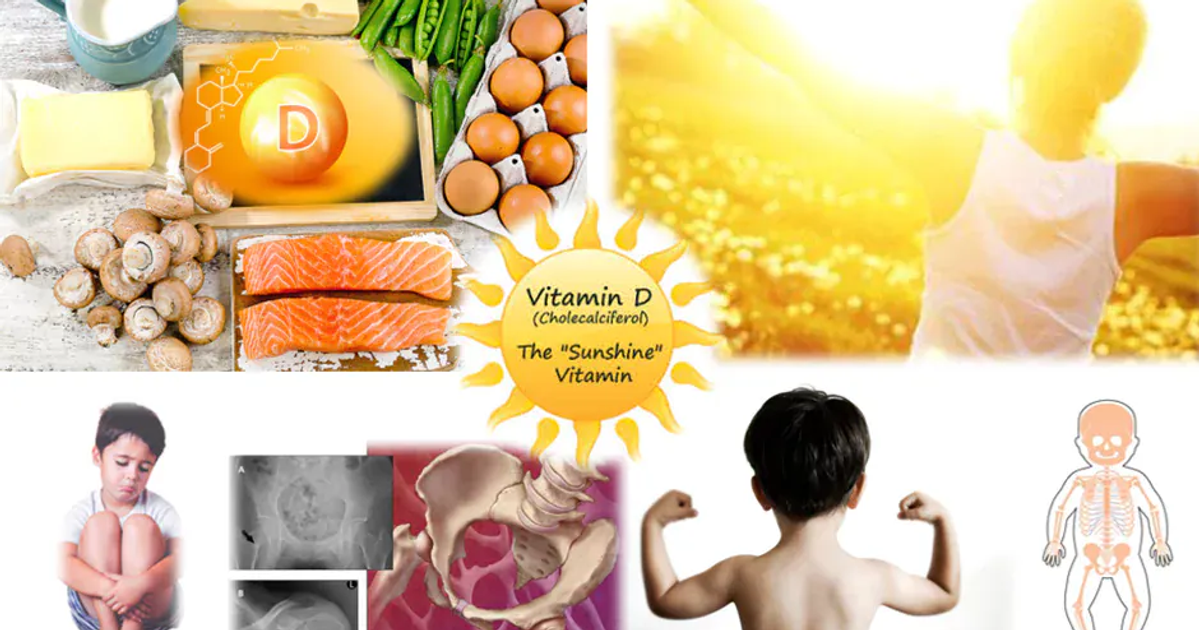
Vitamin D can be supported through both sunlight and diet, though neither is a perfect substitute for individual needs. Sunlight exposure should be balanced with skin safety. For many families, short, regular periods of outdoor play—rather than occasional long sessions—are easier to sustain.
Diet can contribute through fortified milk or plant-based alternatives, fortified cereals, and foods that naturally contain vitamin D. Fatty fish like salmon and sardines can help if they fit the family’s eating style. Eggs may contribute small amounts. For children with restricted diets, choosing fortified options becomes especially important.
Even when vitamin D levels are improved, it won’t eliminate colds entirely. It can, however, potentially strengthen resilience—like improving the stamina of a door that has to hold back the wind again and again.
Supplementation: What “Right” Usually Means
When supplementation is needed, dosing typically depends on age, baseline levels, dietary intake, and clinical guidance. A clinician may recommend daily or weekly dosing schedules, then re-check levels after an appropriate interval.
It helps to view supplementation as a season-long project. A child with deficiency might not improve overnight, and immune modulation tends to respond gradually. Consistency matters more than intensity.
As levels normalize, families often look for signs like fewer prolonged illnesses, better energy, or smoother recovery. These outcomes aren’t guaranteed, but they align with vitamin D’s supportive role in immune readiness.
Beyond Vitamin D: Other Factors That Can Mimic or Intensify Frequent Illness
Vitamin D is part of a larger system. Frequent colds can also be influenced by iron deficiency, zinc insufficiency, inadequate protein intake, allergies, poor sleep, stress, exposure to smoke, or underlying respiratory conditions. Viral exposure remains the main trigger; vitamin deficiencies often act as amplifiers.
Allergies can blur the line between “cold” and “ongoing inflammation,” leading to repeated symptom cycles. Asthma or reactive airway disease can make viral infections feel more severe. If a child frequently coughs at night, wheezes, or has persistent nasal symptoms, a clinician’s assessment can clarify whether the problem is purely infectious or partly inflammatory.
So the deeper fascination here is that immunity is not one switch. It’s a network. Vitamin D can strengthen one node in that network, but the network still benefits from a comprehensive approach.
When to Seek Medical Advice Promptly
Some situations should not wait. Seek medical advice if a child has difficulty breathing, signs of dehydration, persistent high fever, ear pain with worsening symptoms, recurrent pneumonia, or severe fatigue out of proportion to the illness. Also reach out if frequent infections come with growth concerns, chronic diarrhea, unusual bruising, or persistent bone pain.
For frequent colds that are otherwise mild but consistently recurring, discussing vitamin D status—alongside general nutritional evaluation—can be a practical and reassuring step. It turns uncertainty into data and fear into a plan.
Conclusion: Turning a Pattern into Protection
Frequent colds in school-aged kids can feel like an unavoidable ritual. Yet patterns are clues. Vitamin D deficiency offers one plausible explanation for why some children seem to catch every wave while others remain steady. By supporting immune regulation, improving vitamin stores, and addressing broader nutritional and respiratory factors, families can shift from reactive care to preventative resilience.
The winter months don’t have to be a countdown. With informed evaluation, balanced sunlight, thoughtful nutrition, and clinician-guided supplementation when appropriate, children can build a sturdier foundation—so the next cold, when it comes, has a harder time taking hold.