Night shifts can feel like a second life—until the body starts quietly protesting. For many night shift workers, the culprit isn’t always stress, burnout, or caffeine. Sometimes it’s something more elusive: vitamin D deficiency. Unlike vitamins that arrive neatly through food, vitamin D is largely synthesized when skin meets sunlight. When mornings replace sunlight with fluorescent lighting and sleep, deficiency can creep in like a slow tide. The symptoms may arrive subtly, then grow more conspicuous, affecting mood, muscles, immunity, and even the quality of sleep itself.
Why night shift work disrupts vitamin D balance
Vitamin D is often called the “sunshine vitamin,” and that nickname is earned. During daylight hours, ultraviolet B (UVB) radiation triggers vitamin D production in the skin. Night shift schedules flip the script: your active hours coincide with darkness, while your recovery hours occur when the sun has already moved on.
Even when a worker steps outside at night, UVB exposure is typically insufficient. Many people also use sun-blocking habits in an attempt to avoid skin damage, which is responsible behavior, but it can further reduce vitamin D production. Combine irregular outdoor exposure, indoor work environments, and barriers like weather, and vitamin D becomes an easy-to-miss deficiency.
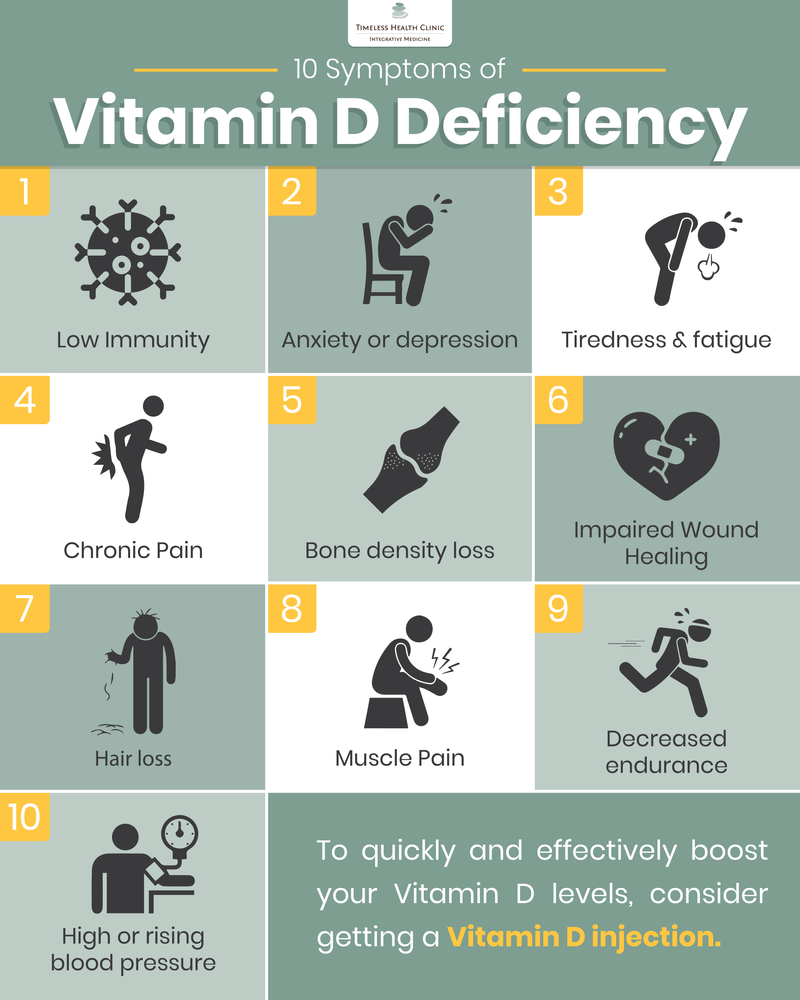
The body doesn’t always announce deficiency immediately. Instead, it borrows from reserves and slowly alters multiple systems, leaving a trail of symptoms that can be mistaken for “just being tired” or “aging.” The symptoms often cluster around fatigue, discomfort, and resilience—how well your body handles strain, infection, and recovery.
Common early symptoms: fatigue, aches, and a low-grade malaise
One of the earliest signals is a kind of tiredness that doesn’t behave like ordinary fatigue. You may feel drained even after sleep, as if your energy production is operating at a lower voltage. This can coexist with restless or fragmented sleep, creating a feedback loop where poor sleep reduces daytime regulation and deficiency worsens the experience of tiredness.
Musculoskeletal discomfort is another hallmark. Night shift workers with low vitamin D often report diffuse body aches, muscle tenderness, or cramping. The discomfort may feel generalized—like a dull soreness in the thighs, back, or shoulders—or it may appear as stiffness that shows up after getting up from a chair or bed.
Pay attention to the pattern. If aches are persistent, if strength seems to ebb, or if recovery after physical exertion feels slower, vitamin D deficiency should be considered among the possibilities. The nervous system is also affected indirectly; pain perception can intensify when vitamin D is insufficient, and stress hormones may feel more “sticky.”
Mood changes and cognitive fog: how deficiency can cloud the mind
Some symptoms are less physical but equally disruptive. People describe a dimming of motivation, irritability, or a heavier emotional tone. While mental health has many contributors, vitamin D deficiency can influence neurotransmitter pathways and immune signaling, both of which can shape mood.
Cognitive fog is another commonly reported experience: difficulty concentrating, slower decision-making, and a sense of mental sluggishness. Short sentences can capture it well: you might read something twice. You might forget what you just opened on the screen. You might feel as though your brain is running on background power.
Night shift routines already challenge circadian rhythm. Add vitamin D deficiency, and the mind may feel more vulnerable to distraction and burnout. This doesn’t mean deficiency “causes” everything, but it can amplify existing strain, making coping harder.
Muscle weakness, reduced balance, and increased injury risk
Vitamin D plays a role in muscle function and neuromuscular coordination. When levels run low, muscles may not contract with their usual efficiency. Over time, this can translate into weakness, reduced endurance, and difficulty with tasks that require stability—carrying groceries, climbing stairs, or navigating dim parking lots after a shift.
Balance issues can be especially concerning. A subtle loss of steadiness might show up as frequent missteps, a tendency to brace with one hand, or hesitancy when walking on uneven surfaces. Longer sentences often fit here because the effect can be gradual and easy to normalize: “I’m just not as steady as I used to be.”
For workers who drive, operate equipment, or handle physical labor, reduced stability can increase the risk of minor injuries. If vitamin D deficiency is part of the picture, addressing it may restore some of the body’s mechanical confidence.
Immune system signals: frequent illness and lingering recovery
Night shift work can already tax immune function through sleep disruption. Vitamin D deficiency can compound that vulnerability. Some workers notice that they get sick more often or that illnesses linger longer than expected.
Symptoms that may reflect immune strain include recurrent respiratory infections, prolonged fatigue after viral illnesses, or a general pattern of “never quite bouncing back.” The immune response isn’t always dramatic; sometimes it manifests as persistence. A cold that usually clears in days may take weeks to feel fully resolved.
Also watch for subtle inflammatory patterns: lingering aches after illness, low stamina, or a sense that your body remains on high alert. Vitamin D is involved in immune regulation, so deficiency can shift the balance between defensive readiness and efficient recovery.
Sleep quality changes and circadian friction
Sleep and vitamin D don’t exist in separate rooms. Night shift workers often struggle with sleep onset, sleep maintenance, or irregular sleep architecture. Vitamin D deficiency may influence sleep regulation through pathways tied to inflammation, hormonal signaling, and possibly melatonin dynamics.
You may notice that you fall asleep but don’t stay asleep, or that the sleep you do get feels less restorative. Short naps can become frequent. Long sentences can describe it like this: you wake up early, you check the time, and you feel like you never fully entered deep recovery.
Improving vitamin D status may not magically synchronize circadian rhythm, but it can reduce one biological stressor. Pairing supplementation or dietary strategies with sleep hygiene—blackout curtains, consistent wind-down routines, and controlled caffeine timing—often creates a more complete recovery plan.
Skin, sunlight habits, and other contributing factors
Vitamin D deficiency symptoms don’t appear in a vacuum. Night shift workers frequently have a mix of risk factors: limited outdoor time, increased indoor exposure, geographic latitude, darker skin pigmentation reducing UVB efficiency, and cultural clothing choices that cover more skin.
Diet also matters. Many people don’t regularly consume vitamin D–rich foods such as fatty fish, fortified dairy or plant alternatives, or egg yolks. Additionally, body weight can influence vitamin D availability; vitamin D is fat-soluble, so larger body stores can change how it circulates.
Then there are medications and medical conditions that can affect vitamin D metabolism. Some workers may be dealing with gastrointestinal issues, kidney or liver conditions, or endocrine disorders. These aren’t reasons to panic—they’re reasons to approach deficiency systematically, with appropriate testing and clinician guidance.
What readers can expect from reliable symptom tracking
If you suspect deficiency, it helps to track symptoms in a way that’s specific rather than emotional. Create a simple log: date, shift length, sleep duration, outdoor exposure, and a rating for fatigue, muscle discomfort, mood, and concentration. Over time, patterns emerge.
Some symptoms respond slowly, so tracking for weeks—not days—offers a clearer signal. Long-term fatigue and recurring aches can be hard to interpret day-to-day. Short entries, like “cramping after lifting boxes” or “brain fog after midnight,” can be more informative than vague notes.
When combined with lab testing (often including serum 25-hydroxyvitamin D), symptom patterns can guide decisions about supplementation, dietary adjustments, or additional evaluation.
When to seek medical evaluation urgently
Most vitamin D–related issues are not an emergency, but certain presentations deserve prompt attention. If you experience severe muscle weakness, trouble walking, intense bone pain, unexplained falls, or symptoms that rapidly worsen, consult a healthcare professional. These may indicate more than simple deficiency.
Also seek evaluation if you have signs of significant illness, persistent numbness or tingling, or symptoms consistent with electrolyte disturbances. While these aren’t typical “everyday” vitamin D symptoms, they can occur in more complex metabolic situations.
For ongoing concerns—especially if symptoms interfere with work safety—testing and personalized guidance are worthwhile. You’re not only managing comfort; you’re protecting function.
Img prompts: visual context for symptoms and routines
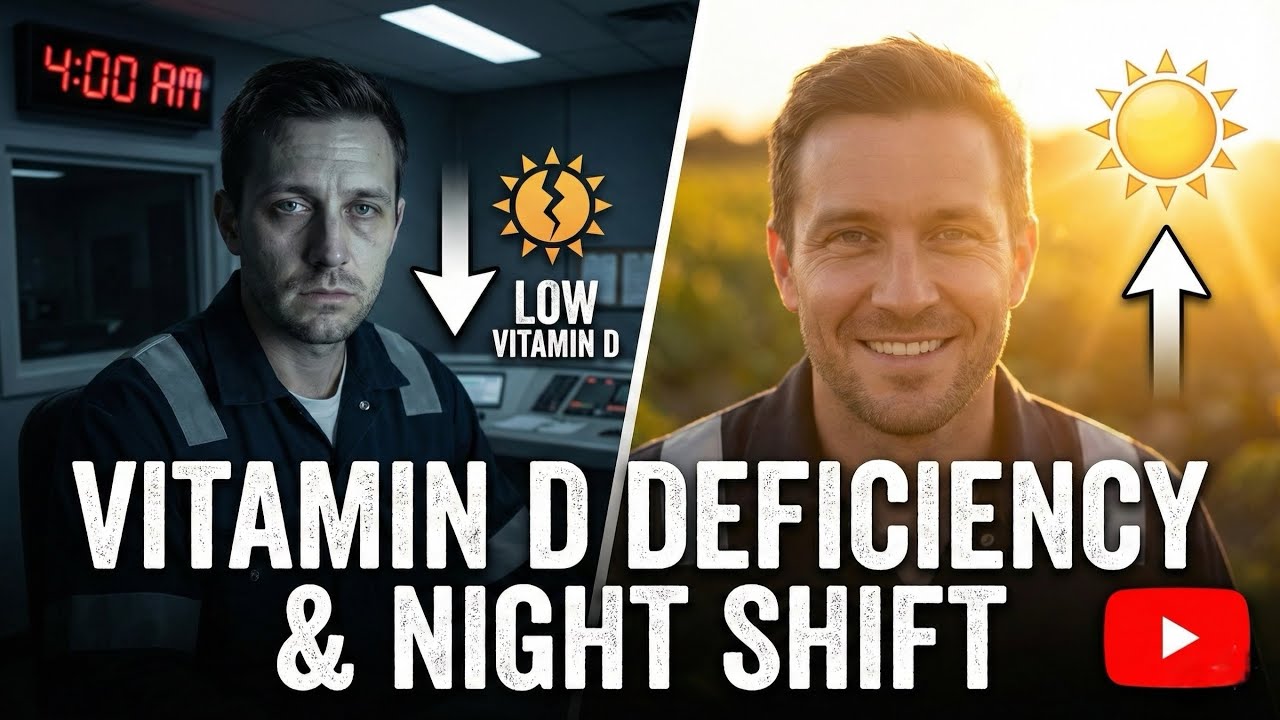
Sometimes visual cues help readers connect their lived experiences to health concepts. For example, an image showing night shift environments can underscore how low light exposure and disrupted schedules reduce vitamin D production.

Another helpful visual is a graphic or photo that emphasizes wellness themes—aches, low energy, and lifestyle strain—so readers can recognize that deficiency symptoms may span multiple body systems.
Closing: reclaiming stability with a layered approach
Vitamin D deficiency in night shift workers can feel like a silent tax: fatigue that won’t fully lift, muscle soreness that seems constant, mood changes that creep in quietly, and recovery that takes longer than it should. The good news is that symptoms are often identifiable, trackable, and treatable—especially when approached as part of a broader wellness strategy.
Think of it as restoring balance across systems, not chasing a single quick fix. Testing can clarify the picture. Nutrition and sensible supplementation can support improvement. Sleep hygiene and outdoor daylight exposure—when possible—can help rebuild the body’s natural rhythm. Slowly, the body may begin to feel sturdier, calmer, and more capable of meeting the next shift.