Vitamin D is often discussed as a “sunshine nutrient,” but its influence reaches far beyond bone metabolism. Inside the body, vitamin D participates in immune modulation, cellular differentiation, and hair follicle cycling—processes that can become misaligned when vitamin D is scarce. When low vitamin D persists, it may contribute to conditions that disrupt the hair growth cycle, accelerate shedding, or alter follicular structure. Below are five hair loss conditions that researchers have linked, in varying degrees, to low vitamin D status—each one with its own narrative arc, clinical cues, and practical implications.
1) Alopecia Areata: An Autoimmune Plotline With Follicular Silence
Alopecia areata is classically described as sudden, patchy hair loss, but the underlying biology is more intricate than the visible patch. It is an autoimmune condition in which the immune system targets hair follicles, turning the normal “growth signal” into a shutdown mode. Vitamin D is deeply intertwined with immune homeostasis; when levels are low, immune balance may tilt toward autoimmunity.
In linked observations, people with alopecia areata sometimes show lower vitamin D concentrations compared with those without the condition. That pattern suggests vitamin D may not be the only driver, but it can act like a background variable that influences susceptibility or severity. Clinically, hair loss can emerge in round, sharply demarcated patches. Some individuals experience eyebrow or beard involvement, and others develop more extensive variants.
Readers often look for “what it feels like” as well as “why it happens.” Alopecia areata can progress unpredictably—sometimes stabilizing, sometimes expanding. Short sentences help capture that uncertainty: it can be sudden. It can be partial. It can be temporary.
Image expectations vary across audiences: some want scalp-focused visuals, others prefer patient-friendly diagrams. For web readers, consider pairing narrative with a visual of follicular targeting. For example:

From a practical standpoint, clinicians may evaluate vitamin D alongside other autoimmune markers when relevant. Supplementation is not a universal cure, yet correcting deficiency may support a more favorable immunologic environment—especially in individuals who also have fatigue, low sun exposure, or limited dietary intake.
2) Telogen Effluvium: When the Growth Cycle Gets Forced Into a “Pause”
Telogen effluvium is less about immune targeting and more about timing. The hair growth cycle includes phases—growth (anagen), transition, and resting (telogen). Telogen effluvium occurs when a higher proportion of follicles shift prematurely into the resting phase, leading to increased shedding. It often follows physiologic stressors: illness, surgery, significant weight changes, hormonal shifts, or chronic inflammatory states.
Vitamin D enters the story because hair follicles require a supportive biochemical environment to maintain normal cycling. When vitamin D is low, follicular signaling may be less efficient, and the system may be more vulnerable to triggers. Studies have observed associations between low vitamin D status and telogen effluvium presentations in certain populations.
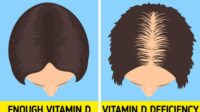
Unlike patchy alopecia areata, telogen effluvium usually looks diffuse. The scalp may feel “thinner” rather than visibly bald in circles. Hair shedding can be dramatic during washing or brushing. It can also be delayed—months after a triggering event—making it hard to connect cause and effect.
Short, concrete markers help readers recognize the pattern: increased shedding. Reduced density. A general thinning across the scalp. Often, the hairline stays relatively intact compared with scarring disorders. This “diffuse shedding” narrative is particularly important for audiences who fear permanent hair loss. Telogen effluvium is frequently reversible, especially when the underlying trigger is addressed.

In real-world care, vitamin D testing may be considered when shedding is persistent, especially if the person has limited sun exposure, darker skin pigmentation, obesity, or dietary insufficiency. However, deficiency correction should be paired with broader evaluation: ferritin levels, thyroid function, medication history, and nutritional patterns often matter just as much.
3) Androgenetic Alopecia (Pattern Hair Loss): A Multifactorial Tangle of Hormones and Inflammation
Androgenetic alopecia—commonly called male-pattern or female-pattern hair loss—is not typically described as “vitamin deficiency-driven.” It is multifactorial, shaped by genetic predisposition, hormonal sensitivity, scalp inflammation, and follicular miniaturization. Yet vitamin D may act as a modulator within this system.
In studies linking low vitamin D to pattern hair loss, the theme is often association rather than causation. People with androgenetic alopecia sometimes exhibit lower vitamin D levels. The hypothesis centers on vitamin D’s role in regulating inflammatory pathways and follicular growth signaling. When those pathways are chronically skewed, follicles may become more susceptible to miniaturization over time.
For readers, this section should feel like a mosaic—many pieces, not one single cause. Pattern hair loss typically shows gradual thinning: in men, receding at the temples and thinning at the crown; in women, widening part lines and diffuse crown thinning. The slow pace is a hallmark. Still, many individuals experience a psychological whiplash—slow change, strong emotional impact.
Because androgenetic alopecia is chronic, audiences often want “what to expect.” Treatment may involve topical agents, oral options, and lifestyle supports. Vitamin D repletion, when deficient, may be integrated as a supportive layer rather than a standalone solution.

A useful expectation-setting sentence is this: addressing deficiency can improve overall follicular resilience, but it rarely reverses established miniaturization on its own. Still, for some, correcting low vitamin D may help optimize response to standard therapies by reducing inflammatory background noise.
4) Frontal Fibrosing Alopecia: A Scar-Prone Condition Where Vitamin D May Matter
Frontal fibrosing alopecia (FFA) is a distinctive, scarring form of hair loss, most often affecting the frontal hairline. It can also involve eyebrows and other facial hair. Because it is scarring, it carries a different urgency than non-scarring shedding disorders: the window for preservation can be narrow.
FFA features chronic inflammation that gradually damages the follicle’s architecture. Vitamin D’s potential relevance emerges through its immunoregulatory properties. In certain research contexts, individuals with scarring alopecias, including FFA, show different vitamin D statuses than comparison groups. While scarring alopecia has many contributing factors—autoimmune tendencies, hormonal milieu, and inflammatory signaling—low vitamin D may be one piece of the immunologic puzzle.
Readers searching for recognizable signs often focus on symptoms that precede obvious loss: burning, tightness, or tenderness along the hairline. Eyebrow involvement can accompany progression. The hairline may retreat in a band-like pattern, with visible shrinkage. If you want a strong narrative rhythm here, contrast urgency with denial: the pain can be mild, the damage can be substantial.

Clinically, vitamin D evaluation may be considered alongside standard anti-inflammatory and anti-fibrotic strategies. The key message for audiences: scarring alopecia requires early dermatologic assessment. Vitamin D correction is supportive, but it should not replace prompt specialized care.
5) Hair Loss in Chronic Inflammatory States: When Vitamin D Deficiency Amplifies Background Inflammation
Not every hair loss category fits neatly into a single diagnosis label. Many people experience hair thinning or shedding alongside chronic inflammatory or autoimmune conditions—such as inflammatory bowel disease, psoriasis, connective tissue disorders, or persistent dermatologic inflammation. In these contexts, low vitamin D can reflect both lifestyle constraints and inflammatory dynamics.
Vitamin D participates in immune regulation, including the fine-tuning of cytokine signaling and barrier-related inflammation. When deficiency is present, immune behavior may become more erratic. That erratic state can influence scalp health, follicle function, and the hair cycle’s stability.
For readers who feel overwhelmed by diagnosis lists, this section offers an organizing principle: think “inflammation as the backstage crew.” Symptoms can overlap—scalp redness, itching, scale, or generalized shedding. The hair doesn’t always fall in a predictable pattern; it can thin gradually, then worsen during flares.
Image guidance matters again. Audiences respond well to “systems” visuals: pathways connecting immune regulation to follicular cycling. If included, an image can underscore the concept of an inflammatory environment rather than a single follicle target.

In practice, addressing low vitamin D may offer broader benefits beyond hair. Individuals may notice improved musculoskeletal comfort or energy, though those outcomes vary. Hair improvement, when it occurs, often follows a timeline rather than an instant reversal. Patience becomes a therapeutic tool—paired with medical management of the underlying inflammatory condition.
What Readers Can Do: Testing, Repletion, and Realistic Expectations
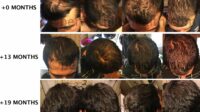
If low vitamin D is suspected, a clinician-guided blood test is often the most direct starting point. Deficiency is common, but the correct approach depends on baseline levels, comorbidities, and medication use. Repletion strategies vary, and dosing should not be improvised. Some people experience faster symptom stabilization; others see gradual changes over months, aligned with hair cycle timing.
At the same time, vitamin D should be treated as part of a wider regimen: adequate protein intake, iron status assessment, scalp evaluation, and evidence-based hair loss treatments where appropriate. Hair biology is cooperative, not singular. When multiple factors are optimized, follicles can operate with fewer obstacles.
Finally, consider the emotional dimension. Hair loss can erode confidence, disrupt routines, and intensify self-scrutiny. A professional approach balances compassion with clarity. The most empowering message is this: understanding linked conditions helps people move from confusion toward coordinated care.