The argument about sunlight feels deceptively simple: bask in it for health, but avoid too much for safety. Yet beneath that surface lies a nuanced dilemma—how to weigh the risk of skin cancer against the risk of vitamin D deficiency. For many people, the real problem is not “sun or no sun,” but rather how to thread the needle between two biological narratives that share the same stage: skin.
Why Sunlight Is Both Beneficial and Hazardous
Sunlight is a chemical courier. Ultraviolet radiation, particularly UVB, helps the skin synthesize vitamin D, a hormone-like nutrient involved in calcium balance, immune modulation, and bone integrity. At the same time, ultraviolet exposure can damage DNA and disrupt cellular repair mechanisms. Those disruptions may accumulate over time, increasing the likelihood of malignant transformation in susceptible skin.
This is where the debate becomes a balancing act. People don’t absorb “health” and “harm” in neatly separated doses. Instead, the body receives a mixed signal—nutrient production alongside molecular injury. The key is understanding that risk is not static; it changes with intensity, duration, skin phenotype, and behavioral patterns.
Understanding Vitamin D Deficiency: A Quiet Biochemical Shortage
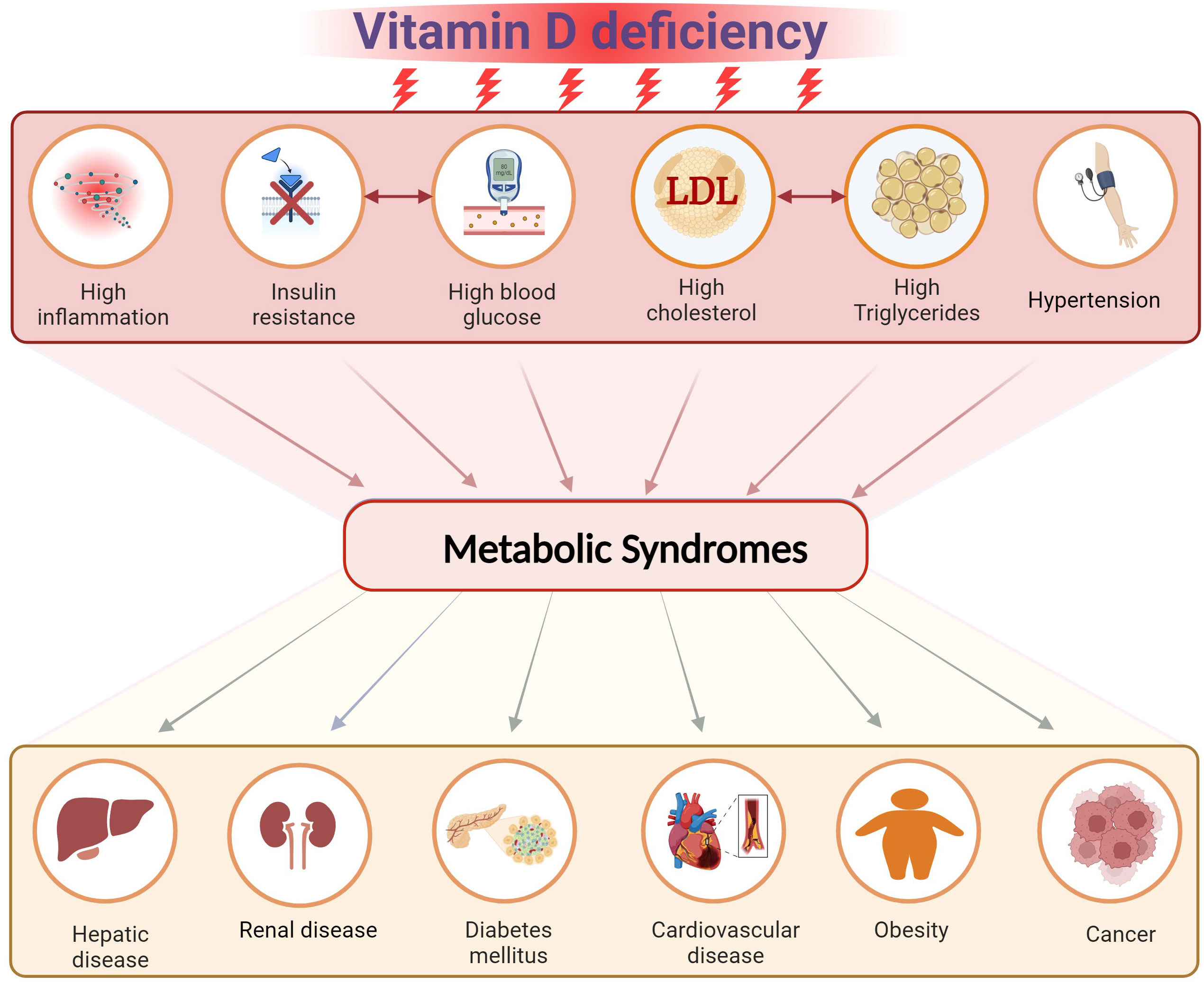
Vitamin D deficiency often arrives without drama. The symptoms can be subtle—musculoskeletal aches, fatigue, low mood, or impaired muscle function. In more significant cases, it contributes to bone demineralization and can aggravate conditions like osteomalacia or exacerbate osteoporosis risk in later life.
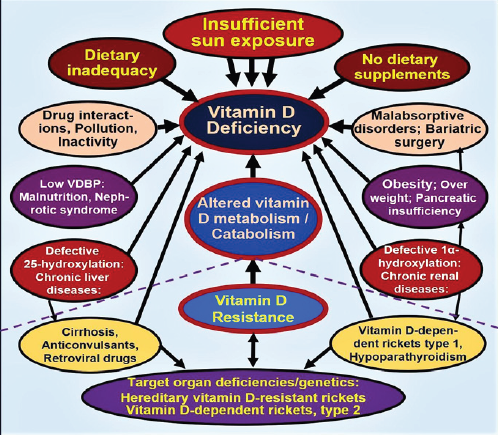
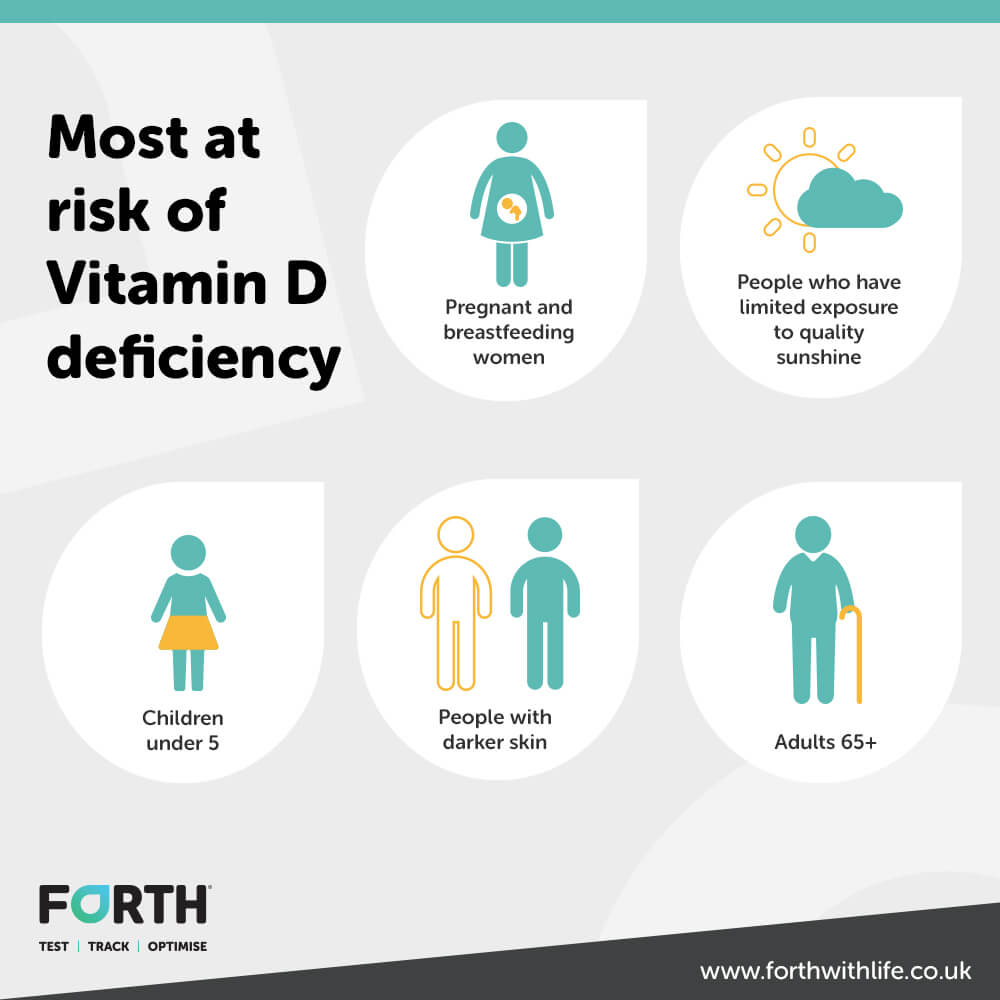
Notably, deficiency isn’t always caused by avoiding sun. Indoor lifestyles, higher latitudes, seasonal shifts, darker skin pigmentation (which reduces vitamin D production efficiency), and limited dietary intake can all conspire to lower vitamin D status. Even people who “do get sun” may fail to achieve adequate levels, particularly if exposure is brief, indirect, or consistently covered.
So while sun can be a reliable vitamin D facilitator, it is not the only lever. Diet and supplementation can be strategically used to maintain sufficiency—an option that becomes especially valuable for those advised to limit UV exposure.
Skin Cancer: The Spectrum of Risk, Not a Single Villain
Skin cancer is not one uniform threat. It is a spectrum of disorders with different biological behaviors and risk profiles. Basal cell carcinoma (BCC) and squamous cell carcinoma (SCC) are often linked to cumulative UV damage. Melanoma, though less common, is more aggressive and tends to be driven by both intermittent intense exposure and individual susceptibility.
Risk is shaped by patterns: sunburns in childhood and adolescence can cast long shadows; chronic exposure can thicken the burden of DNA alterations in sun-exposed areas. The most alarming fact is that damage can be invisible at first. A clear day can still deliver molecular harm.
Different Skin Types and Why “One Recommendation” Often Fails
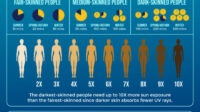
Skin phototypes—light to very dark—affect how people respond to UV. Lighter skin tends to burn more easily and generate less protective pigment, while darker skin offers more intrinsic melanin-based shielding but is not immune to UV injury. Melanin can slow harm, not erase it.
This means the same exposure time can mean different outcomes. A “safe” routine for one person could be reckless for another. When the debate is framed as a universal rule, it becomes less about science and more about oversimplification.
Age matters too. Over the years, cumulative exposure and reduced skin repair efficiency can raise vulnerability. That’s why safety strategies should adapt over time, not remain frozen.
The Role of Sunscreen: Shielding Without Starving
Sunscreen is often treated as either hero or villain in the debate. The truth is more balanced. By reducing UV penetration, sunscreen can lower DNA-damaging exposure—an obvious win for cancer prevention. But it can also reduce vitamin D synthesis, especially if coverage is rigorous and prolonged.
However, vitamin D deficiency is not a certainty for sunscreen users. Several factors influence outcomes: how much sunscreen is applied, how often it is reapplied, whether sun exposure continues despite sunscreen, and how much baseline vitamin D comes from diet or supplements.
One practical approach is to use sunscreen consistently for harmful UV periods while exploring alternative vitamin D pathways—such as fortified foods or supplements—so the body does not rely exclusively on solar conversion.
Timing, Intensity, and Exposure Style: The Hidden Variables
Not all sunlight is equal. UV intensity changes with season, latitude, cloud cover, and even the height of the sun in the sky. Long summer afternoons can be dramatically different from brief early-day exposure. Many people unknowingly accumulate risk through habitual patterns: outdoor commuting, weekend sports, or outdoor work without adequate protection.
The “dose” concept is crucial. Instead of asking only, “Should I go in the sun?” it is more accurate to ask, “What pattern of exposure am I actually getting?” A short window with appropriate protection can be materially different from repeated sunburns or prolonged exposure during peak UV.
Also, reflected UV from surfaces like water, sand, and concrete can intensify exposure. That means an ostensibly “shaded” day may still carry significant UV burden.
What Readers Can Expect to Learn About Symptoms and Diagnosis
The most safety-conscious discussions usually start with signs—both for skin changes and for low vitamin D. For skin, readers are often guided to monitor evolving moles, non-healing sores, persistent scaly patches, or unusual discoloration. Early detection can transform outcomes because many skin cancers are highly treatable when found promptly.
For vitamin D deficiency, the narrative tends to highlight that symptoms may overlap with other conditions. That overlap can lead to diagnostic ambiguity. Blood testing—typically by measuring serum 25-hydroxyvitamin D—helps clarify whether deficiency is present. Clinicians then interpret results alongside risk factors such as diet, sun exposure habits, body mass, and medical history.
Importantly, the debate often concludes that personalized assessment is better than guessing. It turns health behavior from ideology into evidence.
Content Formats People Commonly Seek in This Debate
Readers typically approach the safety debate using several content styles, each offering a distinct form of usefulness. Informational articles often map out mechanisms—how UV influences vitamin D synthesis and how DNA damage influences cancer risk. Myth-busting explainers address popular misconceptions, such as “vitamin D means you can ignore sun safety” or “sunscreen guarantees deficiency.”
Many readers also prefer decision-guides: checklists for skin monitoring, practical sun-protection routines, and suggestions for vitamin D maintenance through diet and supplements. Visual content—like diagrams of UV wavelengths, infographics about phototypes, and images of skin lesion patterns—can compress complex information into quick comprehension.
Meanwhile, narrative case studies help people see themselves in the story. When a reader imagines a family with different skin tones, outdoor schedules, and dietary habits, the debate stops feeling abstract. It becomes a set of choices under realistic constraints.
A Practical Middle Path: Protection Plus Vitamin D Strategy
The most effective resolution does not crown sunlight as salvation or ban it as poison. It endorses a layered strategy: reduce harmful UV exposure while ensuring vitamin D adequacy through non-solar routes when needed.
That might include fortified foods (like milk alternatives or cereals), fatty fish intake, and vitamin D supplementation guided by testing or clinical advice. For sun exposure, it means using shade, clothing, and sunscreen during higher-risk periods. It also means treating sunburns as warning events, not as harmless side effects.
Think in terms of “risk management,” not “all-or-nothing choices.” The body’s biology is not binary, and neither should the guidance be.
Closing Thoughts: Reframing the Conversation
The safety debate is often framed as a tug-of-war: vitamin D on one side, skin cancer risk on the other. But that framing can obscure a more accurate truth. The goal is not to maximize sunlight; it is to optimize health outcomes while minimizing avoidable harm.
When readers understand phototype variability, exposure patterns, and the diagnostic pathways for vitamin D, they gain control. They can build routines that respect the body’s need for balance—an approach that is steady, intelligent, and resilient against misinformation.