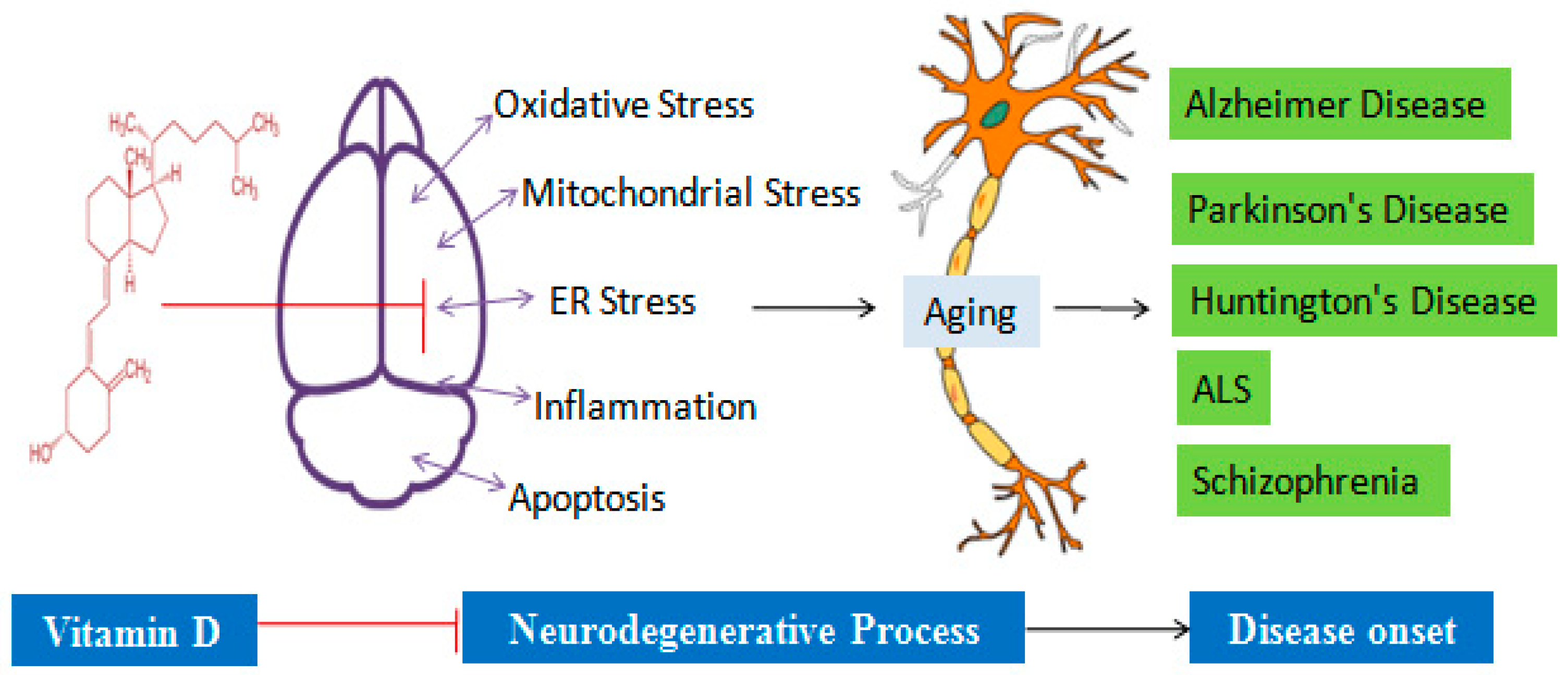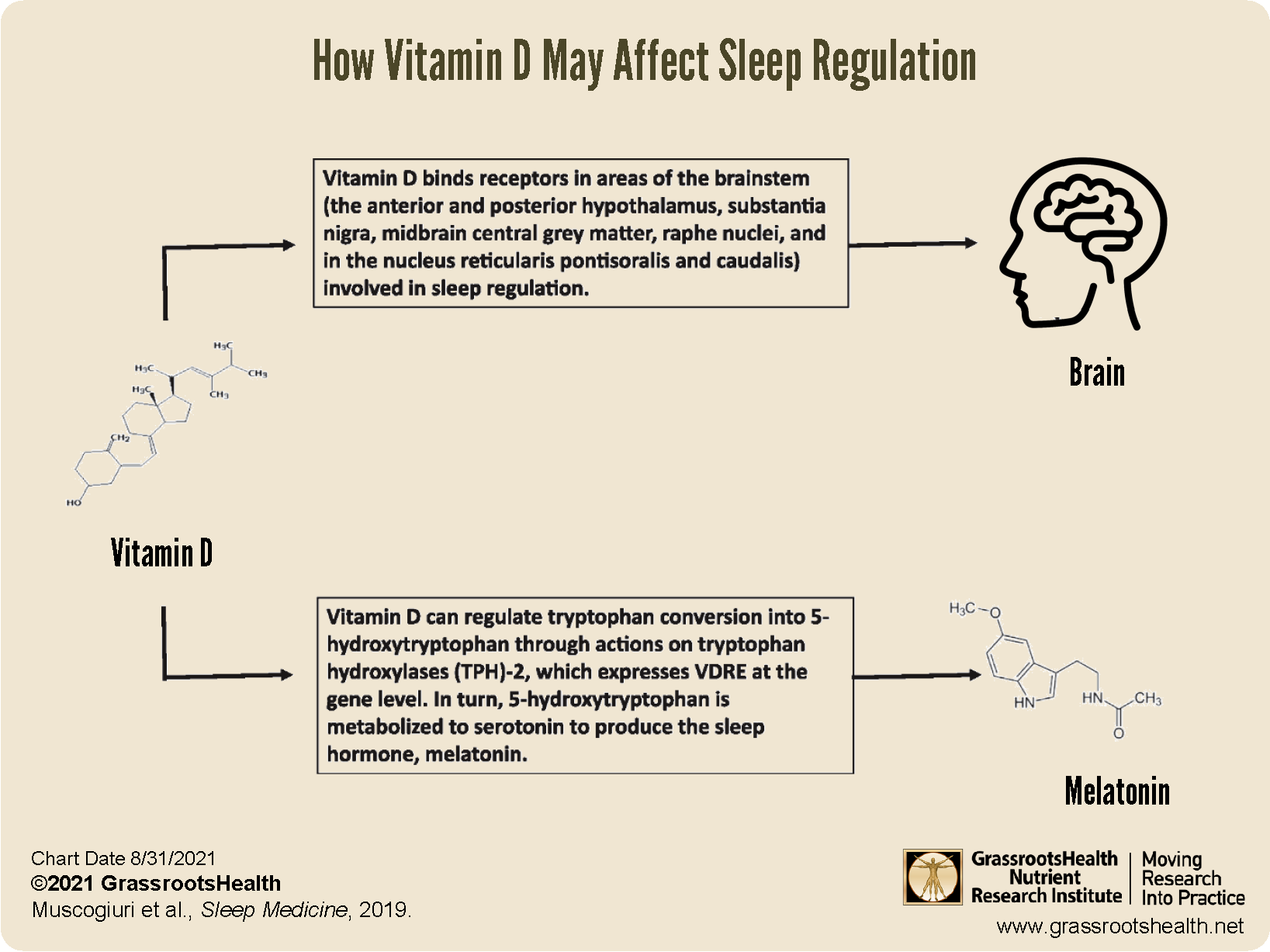
Sleep often arrives like an unsummoned guest—sometimes gentle, sometimes elusive. Yet beneath the familiar rituals of bedtime routines and blue-light avoidance lies a quieter conductor: Vitamin D. Not merely a “sunshine vitamin,” it is increasingly viewed as a molecular diplomat, communicating with the brain through Vitamin D receptors. When these receptors interact with neural networks that govern circadian timing and sleep pressure, the story of sleep regulation begins to feel less like chance and more like choreography.
Vitamin D: Beyond Bone, Inside the Brain
Vitamin D is commonly associated with skeletal health, but its influence extends far deeper. The brain contains the biochemical machinery to respond to it, including Vitamin D receptors. These receptors act like switchboards—detecting Vitamin D availability and translating it into cellular behavior.
This matters for sleep because sleep is not simply “rest.” It is an orchestrated biological state involving neurotransmitters, hormones, immune signaling, and electrophysiological rhythms. Vitamin D enters this landscape as a modulator rather than a single-factor solution. It nudges, stabilizes, and potentially synchronizes. Some nights may be easier because the brain is in better chemical rapport with the signals that govern sleep initiation and maintenance.
Vitamin D Receptors in the Sleep-Related Neural Ecosystem
Vitamin D receptors (VDRs) are widely distributed in brain regions implicated in arousal, mood regulation, and circadian control. Think of them as interpreters embedded in neural cells. When Vitamin D binds to VDRs, gene expression can shift—sometimes subtly, sometimes decisively.
Sleep regulation depends on multiple “systems” that must agree: circadian clocks (timing) and homeostatic pressure (need). VDR-mediated signaling may influence both by shaping neuronal excitability and inflammatory tone. In practical terms, this could mean a brain environment more conducive to staying in deeper sleep stages and returning to equilibrium after nighttime awakenings.
What makes this perspective intriguing is the implication of causality: Vitamin D is not merely correlated with sleep outcomes, but biologically positioned to influence them through receptor-driven pathways.
Circadian Rhythm: The Clockwork Conversation
Circadian rhythm can be imagined as a metronome. Yet metronomes require consistent calibration. Vitamin D receptors may contribute to that calibration by interacting with the molecular components of biological timekeeping.
When circadian rhythm is misaligned, sleep may become fragmented—early wakefulness, difficulty falling asleep, and irregular rhythms can follow. Vitamin D, through VDR signaling, may support steadier rhythm expression, encouraging the brain to “lock in” to night-phase physiology.
One shift in perspective is to stop treating circadian issues as purely behavioral. Lighting habits and timing cues matter immensely. But the biochemical environment—especially receptor-mediated signaling—can set the sensitivity level of the circadian system to these cues.
Sleep Homeostasis: Managing the Pressure to Rest
Sleep pressure is the body’s accumulating demand for rest. Adenosine is a well-known player, building up with wakefulness and promoting sleep onset. Vitamin D receptors may influence pathways that affect how the brain responds to this accumulating pressure.
Rather than “flipping a sleep switch,” Vitamin D may help the brain interpret internal fatigue signals more coherently. When interpretation is smooth, sleep transitions feel more natural. When interpretation is erratic, the same night can feel like a negotiation.
This is where curiosity deepens: if VDR-driven gene regulation affects neurotransmission and metabolic signaling, then Vitamin D status could subtly re-map how sleep pressure unfolds across the night.
Neurotransmitters and Arousal Control
Sleep is an ongoing compromise between arousal-promoting systems and sleep-promoting networks. Several neurotransmitters—GABA, serotonin pathways, dopamine-related circuits—shape the boundary between wakefulness and sleep.
Vitamin D receptor activity may modulate signaling balance in ways that influence arousal thresholds. In plain language: with a well-tuned receptor environment, the brain may dampen “background ignition” more effectively when bedtime arrives.
Notably, this does not imply Vitamin D acts like a sedative. Instead, it may help the brain maintain regulatory tone—reducing unnecessary neural noise and supporting a smoother slide into sleep continuity.
Inflammation, Immunity, and the Sleep Landscape
Inflammation is a recurring theme in sleep science. Microglia and cytokine signaling can alter sleep architecture, sometimes increasing fragmentation. Vitamin D is often associated with immune regulation, and through VDR signaling, it may influence inflammatory pathways relevant to brain function.
Inflammation can be a stealth saboteur: it might not prevent sleep entirely, but it can interrupt its depth and continuity. When immune signaling is calmer, sleep can become more consolidated, and restorative stages may be less frequently disrupted.
Imagine sleep as a nightly restoration process. Inflammatory “static” makes restoration harder. Vitamin D receptors may function like noise dampeners—encouraging a more hospitable neural environment for deep sleep.
Mood, Stress, and Indirect Pathways to Better Nights
Sleep and mood are braided together. Anxiety and depression often carry sleep disturbances—insomnia, hypersomnia, and altered sleep timing. Vitamin D receptors participate in broader neuroendocrine and mood-related pathways, suggesting a bridge between psychological states and sleep regulation.
Stress hormones can fragment sleep by increasing arousal. If Vitamin D contributes to resilience through receptor-mediated mechanisms, it could indirectly improve sleep quality by reducing stress-driven dysregulation.
This is not a simplistic “Vitamin D fixes everything” narrative. It is closer to a systems view: sleep quality can improve when multiple upstream factors—immune tone, neural excitability, stress responsiveness—move toward balance.
What the Brain Receives: From Sunlight to Sleep Signaling
Vitamin D enters the body through sunlight exposure and dietary intake, then undergoes metabolic activation. The presence of VDRs in the brain turns what might otherwise be a peripheral vitamin into a cerebral signal.
Here, timing and consistency matter. Seasonal sun variation can change Vitamin D availability, potentially influencing sleep patterns across the year. Some people experience winter insomnia or fatigue. Others notice that once they normalize Vitamin D levels, their nights feel less “stalled.”
Curiosity deserves respect: individual physiology varies. Genetics, baseline status, sun exposure, and comorbid conditions can all modify outcomes. Yet the receptor-based logic makes the connection more than folklore.
Visualizing the Pathways: Vitamin D Signaling and Sleep Regulation
To appreciate the idea, picture a chain of events: Vitamin D availability rises or falls, VDRs bind and activate, gene expression shifts, and neural networks adjust—eventually influencing sleep timing, continuity, and depth. The receptor is the hinge; sleep is the downstream outcome.
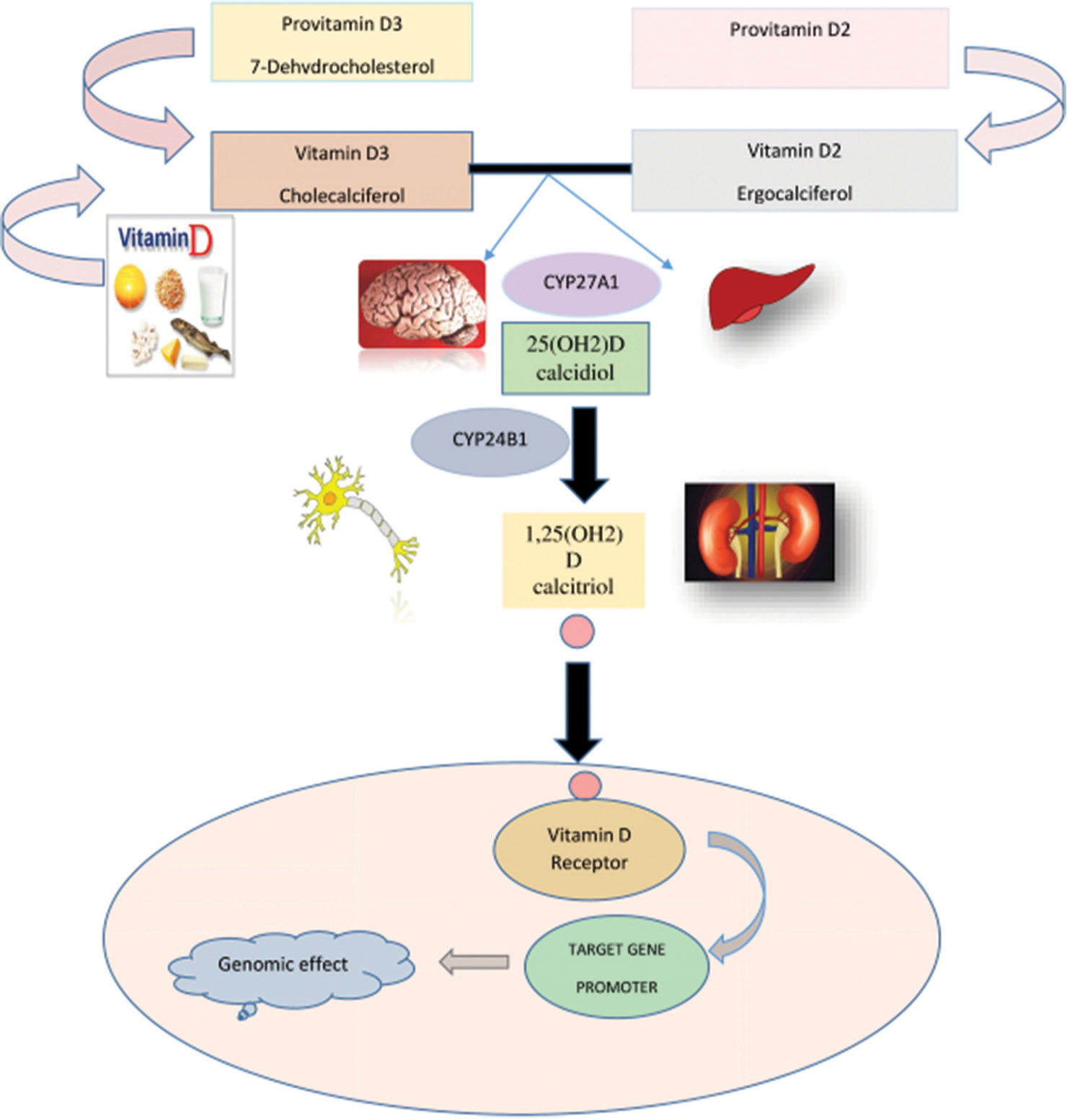
This kind of mechanistic map sparks a useful question: if receptor activity changes the “instruction set” inside the brain, then sleep regulation might respond to Vitamin D status in a more patterned way than we traditionally assume.
Promises and Boundaries: What Vitamin D Can (and Cannot) Do
Vitamin D offers promise, but the most compelling research-forward perspective is also the most honest one: receptor biology suggests potential influence, not guaranteed transformation. Sleep is multi-determined—breathing disorders, caffeine timing, stress load, room temperature, circadian disruption, and mental health dynamics all interact.
Still, Vitamin D status could be a missing variable. For people with low levels, addressing deficiency might improve sleep quality, perhaps by supporting receptor-mediated neural regulation and dampening inflammatory and arousal-related noise.
At the same time, excessive supplementation can be harmful in certain scenarios. The receptor story should encourage measured thinking: assess status, consult clinical guidance, and align Vitamin D strategies with overall sleep hygiene rather than treating it as a stand-alone “sleep hack.”
A Practical Curiosity: How to Approach Vitamin D and Sleep
Start with curiosity, not certainty. Consider tracking sleep patterns alongside lifestyle factors and—when appropriate—requesting Vitamin D testing through a qualified healthcare professional. If levels are low, targeted correction may help create biochemical conditions that allow the brain’s sleep regulation systems to work efficiently.
Then layer in supportive behaviors: consistent wake times, dim evening light, reduced late caffeine, and attention to stress downshifting. Vitamin D may help the brain interpret and respond to these cues more effectively when VDR-mediated regulation is adequate.
In this way, Vitamin D becomes part of a larger nighttime design: not a replacement for sleep hygiene, but a biological collaborator.
The New Narrative: Sleep as Receptor-Responsive Biology
Sleep regulation, once framed largely as willpower and schedule, increasingly looks like receptor-responsive biology. Vitamin D receptors in the brain suggest that adequate Vitamin D is not just about metaphoric sunshine. It may be about molecular communication that shapes the architecture of nights.
So the next time sleep feels stubborn, consider a shift in perspective. The cause might not be one single villain. It could be a constellation—timing cues, arousal systems, inflammatory background, and receptor-mediated signaling. Vitamin D sits at a fascinating intersection of these threads.

The invitation is clear: keep questioning, keep observing, and let receptor science widen the map of what it means to support a good night’s sleep.
Conclusion: A Nightly Alliance Between Vitamin D and the Brain
Vitamin D’s role in sleep regulation—particularly through Vitamin D receptors in the brain—reframes sleep as a dynamic, biologically negotiated state. These receptors are not passive bystanders. They are active interpreters that may influence circadian stability, arousal balance, inflammatory tone, and neurochemical signaling.
That is why the story feels both hopeful and intellectually stimulating. Vitamin D could be a missing variable in the sleep equation for some people, especially those with deficiency or seasonal low levels. Yet the most powerful outcome arises when Vitamin D is treated as one element of an integrated sleep strategy—measured, individualized, and connected to broader lifestyle rhythms.
When the brain receives the signals it is built to respond to, nights may grow less chaotic. Sleep becomes not just something you wait for, but something your biology learns to deliver with greater consistency.